
NAMASTE scheme data show rising PPE, insurance and vehicle-subsidy numbers even as rights groups say official sewer-death figures undercount fatalities
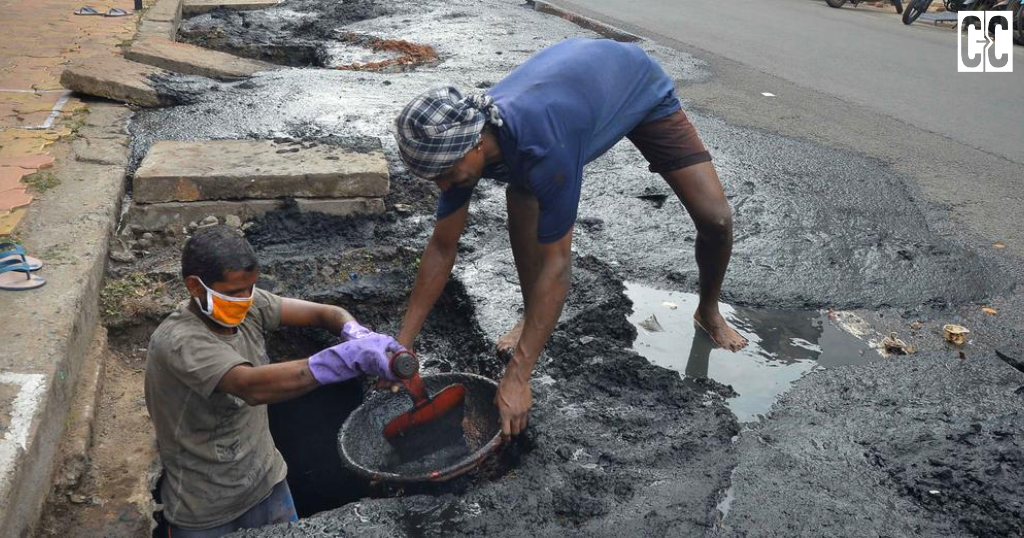
NEW DELHI — The Union Ministry of Social Justice and Empowerment (MoSJE) said on September 13 that 90,942 sewer and septic tank workers have been profiled nationwide under its flagship sanitation-worker safety programme, with 89,248 validated and 87,037 issued personal protective equipment (PPE) kits, according to a statement from Secretary Sudhansh Pant carried by the Press Information Bureau.

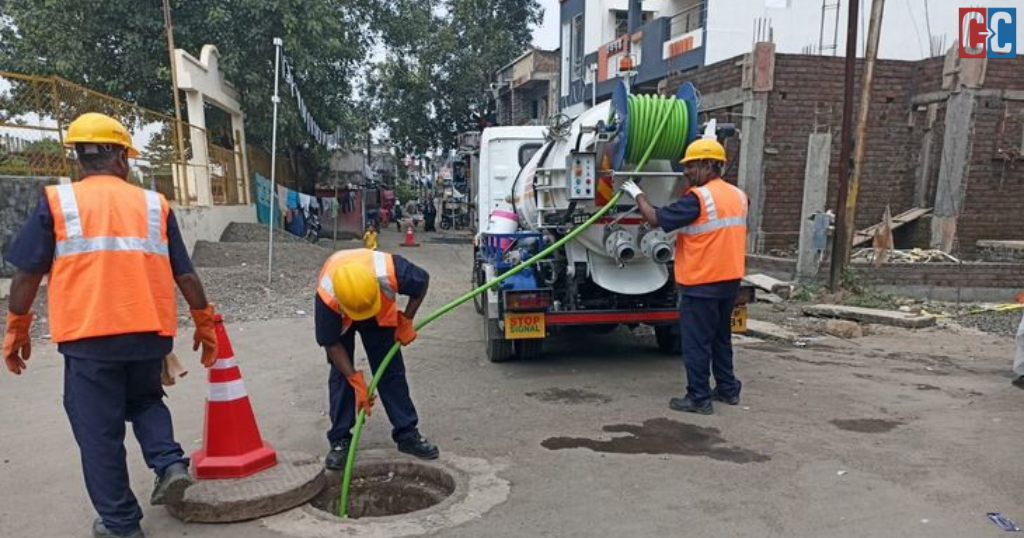
Pant said 76,247 workers have been enrolled in health insurance schemes covering treatment linked to hazardous sanitation work, and that an upfront capital subsidy of Rs 34.17 crore has been released to 983 workers for the purchase of 364 mechanised sanitation vehicles. A further 753 safety devices have reached Emergency Response Sanitation Units in major municipal corporations, and 1,562 workshops on preventing hazardous manual cleaning have been conducted across the country, he said.
The figures pertain to the National Action for Mechanised Sanitation Ecosystem (NAMASTE), launched jointly by MoSJE and the Ministry of Housing and Urban Affairs in July 2023 to phase out manual sewer entry, certify workers in mechanised alternatives, and target zero fatalities in the profession. Coverage was extended in June 2024 to waste pickers in solid waste management; the ministry now reports that 3,78,547 waste pickers have been profiled, of whom 2,52,163 have completed e-KYC validation and 1,31,864 have received PPE kits.
.
| NAMASTE Scheme — Key Figures | As of Sept 13, 2026 |
| Sewer / septic tank workers profiled | 90,942 |
| Workers validated | 89,248 |
| PPE kits issued | 87,037 |
| Workers covered under health insurance | 76,247 |
| Vehicle subsidy released | Rs 34.17 cr (983 workers, 364 vehicles) |
| Safety devices sent to ERSUs | 753 |
| Workshops on hazardous-cleaning prevention | 1,562 |
| Waste pickers profiled (since June 2024) | 3,78,547 |
| Waste pickers validated (e-KYC) | 2,52,163 |
| Waste pickers issued PPE kits | 1,31,864 |
| Waste pickers processed for Ayushman Card | 1,24,835 |
Source: Press Information Bureau / Ministry of Social Justice and Empowerment, September 13, 2026
The welfare numbers sit against a contested safety record. Government data placed before the Lok Sabha this year recorded 498 deaths during sewer and septic-tank cleaning between January 2019 and June 2026, even as ministers have repeatedly told Parliament that no deaths have been attributed to manual scavenging specifically — a distinction that hinges on how the law defines “manual scavenging” versus “hazardous cleaning.”
Official data from an earlier Lok Sabha reply also showed that roughly 92 percent of profiled sewer and septic tank workers belong to Scheduled Caste, Scheduled Tribe or Other Backwards Class communities, with Scheduled Caste workers alone accounting for close to two-thirds of the total — underscoring the caste dimension of India’s sanitation workforce.
Safai Karamchari Andolan (SKA), the advocacy groups whose litigation led to the 2013 ban on manual scavenging, disputes the government’s death count. The organisation says it documented 121 deaths in 2025, compared with an official figure of 46, and that its field tallies for 2026 already run ahead of the ministry’s data. SKA convenor Bezwada Wilson has accused the government of undercounting fatalities, saying “Dalit lives don’t matter for the government.”
The ministry has not issued a public response to SKA’s latest figures. NAMASTE’s own targets — zero fatalities and no direct worker contact with human faecal matter — remain formally unmet even as enrolment, insurance and equipment metrics continue to rise, leaving a measurable gap between the scheme’s welfare delivery and the safety outcomes it was designed to guarantee.
Clear Cut WASH Desk
New Delhi, UPDATED: September 15, 2026 19:30 IST
Written By: Yatharth Pathak