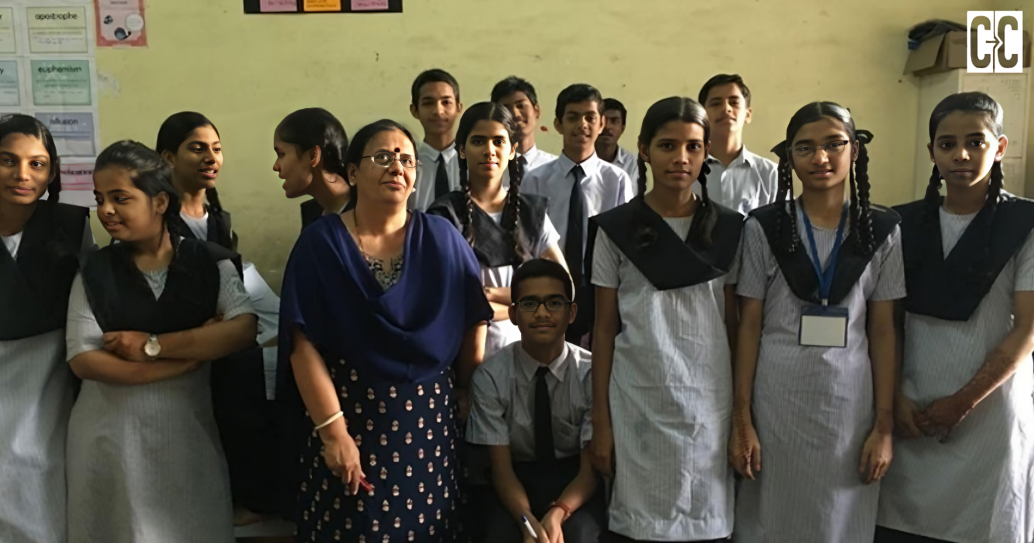

- Project Nanhi Kali has supported 9 lakh girls across 15 states over three decades through education, digital learning, sports, and dignity kits.
- Nanhi Kali 3.0 focuses on digital and financial literacy, life skills, and career readiness to help girls transition to higher education or employment.
- The programme aims to reach 1 million girls by the end of FY 2026, highlighting the importance of long-term and continuous CSR support.
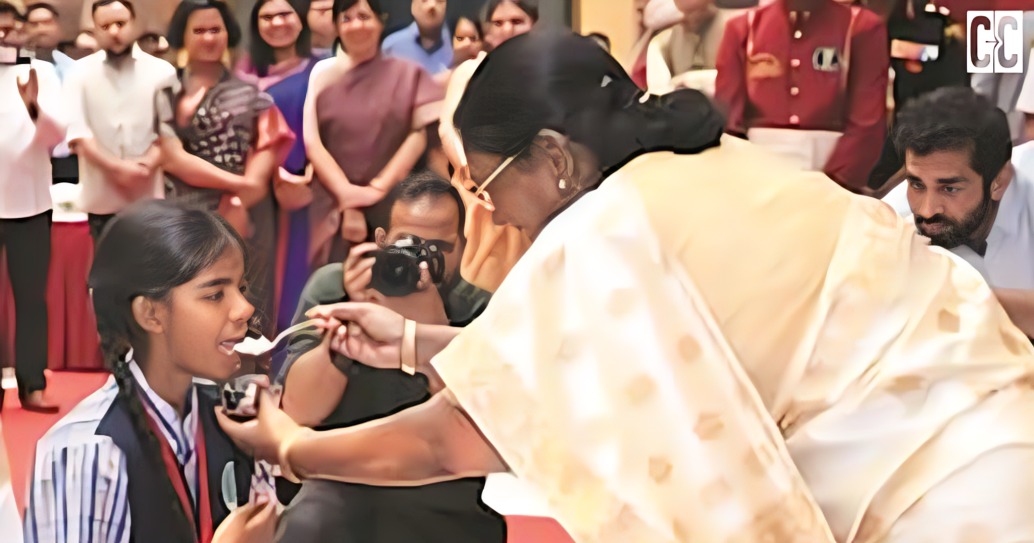
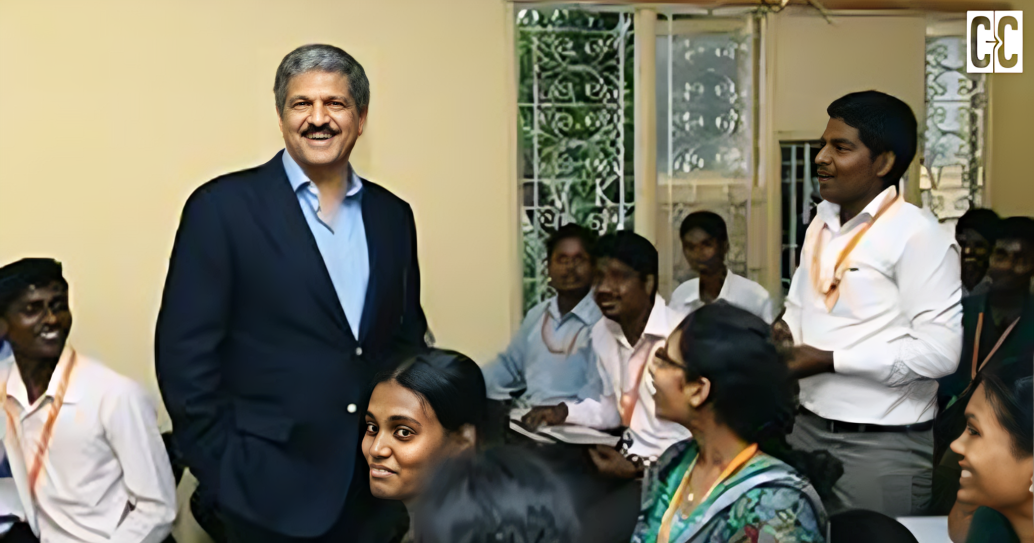
There are easier CSR initiatives than educating girls in India. You can build a toilet, install solar panels, plant trees, and satisfy before-and-after photographs and clear completion dates. Anand Mahindra chose something harder in 1996. He committed the Mahindra Group to ensuring that girls from the most economically disadvantaged communities would complete 10 years of formal schooling. In August 2025, he launched a coffee-table book titled ‘May a Million Buds Bloom’, documenting what that 3-decade commitment has produced. 9 lakh girls across 15 states. And a target of 1 million by the end of FY 2026.
Daily after-school support and a tablet in every hand
Project Nanhi Kali, jointly managed by the K.C. Mahindra Education Trust and the Naandi Foundation, does not simply provide scholarships or school supplies. It operates Academic Support Centres, typically running within government school premises, where locally recruited women tutors provide daily after-school concept-based learning. Every girl receives a digital tablet pre-loaded with Mindspark, a personalised, AI-powered adaptive learning software that adjusts to each child’s level and works offline. Third-party assessments have found 40% improvements in learning outcomes among girls in the programme in tribal Chhattisgarh and 78% in Mumbai.
A dignity kit and why it matters for attendance
Every year, each girl in the programme receives a Dignity Kit. It has a school bag, stationery, a pullover or raincoat, and feminine hygiene material. This is not a token gesture. Menstrual hygiene management is one of the most consistently documented reasons adolescent girls miss school. This is especially prevalent in communities where commercial sanitary products are unaffordable, and schools lack private toilet facilities. Nanhi Kali has treated attendance as a practical design problem with a practical solution, rather than an attitudinal problem to be solved through awareness campaigns alone.
Toofaan games: India’s largest girls’ club
In recent years, a professionally designed sports curriculum was added to the Nanhi Kali model. Every girl participates in structured fitness activities. Every year, the Toofaan Games bring girls from across the programme together for athletics competitions at block, district, and national levels. The Toofaan Cup is a girls’ football tournament with over 1,000 teams competing. According to most reliable assessments, this makes Project Nanhi Kali India’s largest active girls’ club today; more than 150,000 girls competed in athletics at the Toofaan Games in the most recent edition. The data on sports participation and school retention are globally robust. Mahindra’s decision to embed sport in an education programme reflects an understanding that a child who runs for her school is more likely to remain enrolled.
Nanhi Kali 3.0 and the NEP 2020 alignment
Starting the 2024-25 academic year, the project launched Nanhi Kali 3.0, designed in alignment with India’s National Education Policy 2020. The new phase focuses on equipping secondary-school girls with 21st-century skills: financial literacy, digital literacy, life skills, and career readiness, with the specific goal of making the transition from school to the workplace, or to higher education, as seamless as possible for a girl who has had no family precedent for either. The project now works across geographies as varied as tribal Araku in Andhra Pradesh, border districts like Darjeeling, and urban centres like Varanasi.
The future holds a promise
9 lakh girls educated across 3 decades, and a target of 1 million by the end of FY26. Project Nanhi Kali is one of the most sustained individual-corporate CSR commitments in India. The lesson it carries for the broader CSR sector is specific: depth over breadth, and continuity over novelty. The programme did not pivot to a new cause every 5 years. It stayed with the same girls long enough to see what changes when a child has a decade of uninterrupted support. India’s Ministry of Women and Child Development should treat the Nanhi Kali model’s evidence base as a design blueprint for the national Beti Bachao Beti Padhao scheme.
Clear Cut Education Desk
New Delhi, UPDATED: September 17, 2026 15:38 IST
Written By: Tanmay J. Urs