
- Anita Kaul played a key role in shaping India’s education system through her work with the National Literacy Mission and grassroots education initiatives.
- Her contribution to Nali Kali, the National Curriculum Framework 2005, and the Right of Children to Free and Compulsory Education Act helped connect classroom realities with Indian education policy.
The Officer Behind the Right
Every year, millions of Indian children walk into a neighbourhood school believing this is a right
guaranteed to them by law. That guarantee exists largely because of a civil servant who spent nearly 3 decades turning elementary education from a policy aspiration into a legal right. Ms
Anita Kaul (1954-2016) is a 1979-batch IAS officer of the Karnataka cadre. She is remembered as one of the principal architects of the Right of Children to Free and Compulsory Education Act, the law that made India the 135th country in the world to recognise education as a fundamental right.

From Linguistics to the IAS
Ms. Anita Kaul was born in Bombay in 1954. She studied German at Fergusson College, Pune, and completed a PG degree in linguistics at JNU before clearing the UPSC exam in 1979. Initially, she was posted as Deputy Commissioner in Karnataka’s Chikkamagaluru, Kalaburagi, and Shivamogga districts. This tenure gave her a grounding in administration and shifted her entire approach to reform education. Ms. Kaul believed in testing policies against the reality inside a village classroom, not against how they read in a government file.
Building Literacy from the Ground Up
The most prominent work of Kaul occurred during her tenure as Director of the National Literacy Mission between 1988 and 1992. During this period, she helped popularize the Total Literacy Campaign model, which was initiated in the Ernakulam district of Kerala state in 1989 as a pilot program and later expanded from fewer than 10 districts across India to as many as 100. Political science scholar Akshay Mangla mentions Kaul as an example of such officers who were attracted to the social sector in the journal Governance.
Nali Kali: Reimagining the Primary Classroom
When Kaul returned to Karnataka in the 1990s as the Project Director for the District Primary
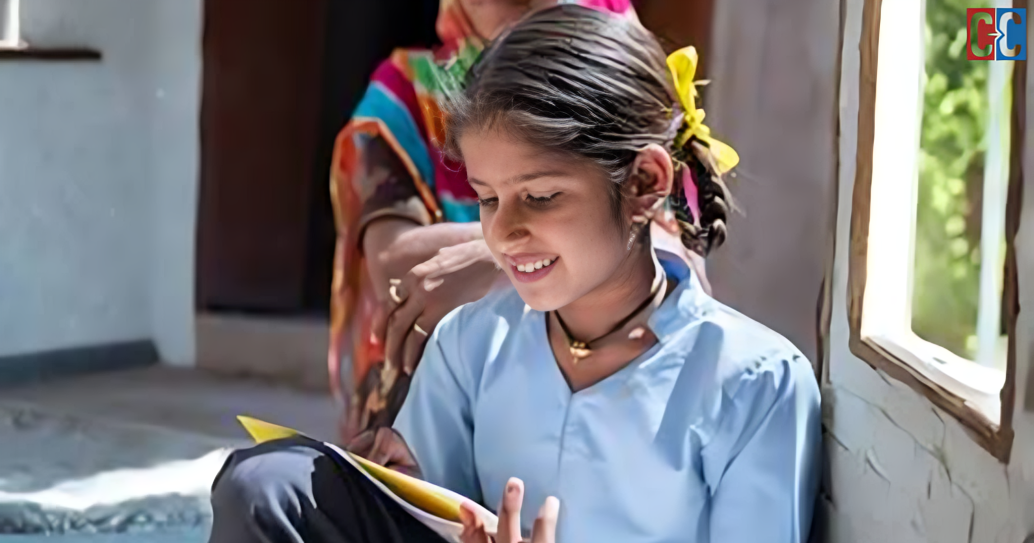
Education Programme and Secretary of the state Education Department, he helped initiate the Nali Kali model in collaboration with UNICEF. Nali Kali refers to an approach to joyful learning that replaced fear and rote learning through activity-based instruction developed by teachers for rural multi-grade classes. The effectiveness of this approach lies in its increased enrolment of children and prevention of dropouts, particularly among girls. Kaul has described the program in very simple, modest terms that highlight its strength: grassroots development through the involvement of primary school teachers. This initiative has been expanded to other states, including Tamil Nadu, Rajasthan, Madhya Pradesh, Assam, Jharkhand, Maharashtra, and Chhattisgarh.
Shaping What Children Learn
Between 2005 and 2006, she was the Secretary of the National Council of Educational Research and Training (NCERT). In this position, Kaul oversaw the preparation of the National Curriculum Framework 2005, which remains the basis for the subjects taught in schools and their pedagogy in India. Hence, she became an intermediary between educational practices and policies, which led her to believe that any curriculum reforms should be combined with rights legislation.
Architect and Defender of the RTE Act
While serving as Assistant Director General in the Department of School Education in the Ministry of Human Resource Development, she facilitated the passage of the Right to Education Act in 2009, which is regarded as a milestone for Indian education. The introduction of the Act has been her last achievement, but not the last step of her work. Having brought
the most criticized provisions of the Right to Education Act within the scope of discussion
before the Supreme Court of India, Kaul successfully defended them. According to her,
the reservation provision is needed to ensure that children from various castes, classes, and
genders have a shared educational experience, and that a non-threatening assessment
would contribute more to the learning process than anything else.
A Wider Commitment to Social Policy
Beyond being a dedicated teacher, she facilitated Mahila Samakhya – a women’s empowerment program in its formative years. She directed the Karnataka State Institute of Rural Development. She became the Secretary of the Department of Justice, one of the most
prestigious civil service positions in the Ministry of Law and Justice in India. In her position at the Department of Justice, she contributed to enhancing justice delivery. After leaving the IAS, she continued working in the field as the Director of the Council for Social Development – a research organisation established by Durgabai Deshmukh. Regardless of the position she held, one can observe a clear trend in Kaul’s professional choices – she preferred working in the social sector to more high-profile positions and always committed herself to addressing a
specific problem – literacy, curriculum, law, or justice.
A Legacy That Outlived Her
Anita Kaul passed away in October 2016, but she left a lasting impression on Indian education policy. Centre for Equity Studies, Rainbow Foundation India, and Mobile Creches instituted a lecture series in her memory, inviting distinguished speakers such as former NCERT director Krishna Kumar and former WHO chief scientist Soumya Swaminathan to discuss education, equity, and democratic Governance. Her professional life is also covered in Women of Influence: Ten Extraordinary IAS Careers, published by Penguin in 2021. The book by Rajni Sekhri Sibal covers the careers of ten outstanding bureaucrats, and Anita Kaul is among them.
Why Her Model Still Matters
Anita Kaul’s career offers a working answer to a question that still troubles Indian policymaking: how does a good law actually reach a child sitting in a village classroom?
Her answer was patient, grassroots-tested institution-building, literacy campaigns before curriculum reform, curriculum reform before legislation, and legislation defended, provision by provision, until it held. Nearly seventeen years after the RTE Act’s passage, India’s education system continues to wrestle with many of the same regional and quality gaps that Kaul’s
generation of reformers set out to close. Her example is a reminder, for today’s policymakers and civil servants alike, that durable change rarely comes from a single act of Parliament. It comes from officials willing to stay inside the system long enough to make a right real, and accountable enough to keep defending it once it is won.
Clear Cut Education Desk
New Delhi, UPDATED: September 23, 2026 16:30 IST
Written By: Tanmay J. Urs