
The Union Budget 2026–27 significantly increases Gender and Child Budgeting, allocating around ₹5 lakh crore for women and ₹1.32 lakh crore for child welfare to strengthen nutrition, early childhood care, and social protection. However, concerns remain about effective fund utilization, monitoring, and implementation gaps that may limit real impact.
Gender and child budgeting has emerged as a new buzzword of the social sector policy of India due to the union budget of 2026-27. Gender-responsive budgeting has over the years become a major tool towards ensuring that government expenditure is directed to inequalities against women and children. This tendency is echoed by the latest budget, which proclaims major increments in the budgetary resources in the attempt to make the lives of women better and child welfare systems stronger. The figures however, show improvement but there are doubts on whether these funds could translate to actual improvements on the ground.
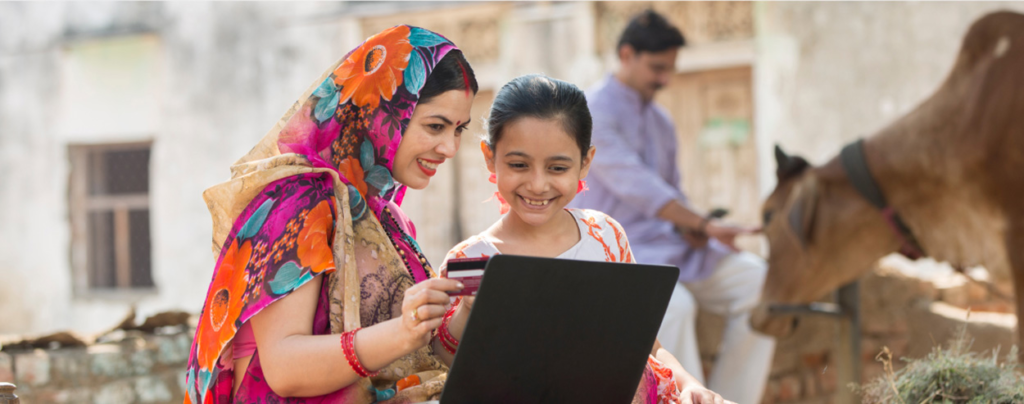
Among all the most striking features of the budget is increased gender budget allocation. The Gender Budget Statement 2026-27 spends approximately [?]5 lakh crore in the programmes targeting women and girls, which is over 11 percent higher than the previous financial year. This increment further increases the proportion of the gender budget in the overall Union Budget by 8.86 percent in 2025-26 to approximately 9.37 percent in 2026-27. This kind of growth is indicative of the declared interest of the government in gender-responsive governance and in the empowerment of women-led development agenda.
In India, gender budgeting does not just entail schemes which are exclusively women only. It also includes programmes in which part of the expenditure is in favour of women and girls. These are programs in housing, rural livelihood, financial inclusion and social protection. This allocation also includes major schemes like PMAY (housing), DAY-NRLM (livelihoods), and Mission Shakti, and is an indication of the way women are becoming a central part of the development policies.
In addition to gender budgeting, the Union Budget is also concerned with welfare of children by providing high allocation in nutrition, early childhood care and education support programmes. Child expenditure has been above [?]1.32 lakh crore and the schemes being funded include Saksham Anganwadi and Poshan 2.0, both of which target to enhance nutrition outcomes in expectant women, lactating women and children. Such programmes will be instrumental in solving malnutrition and enhancing the development of early childhood in the country.
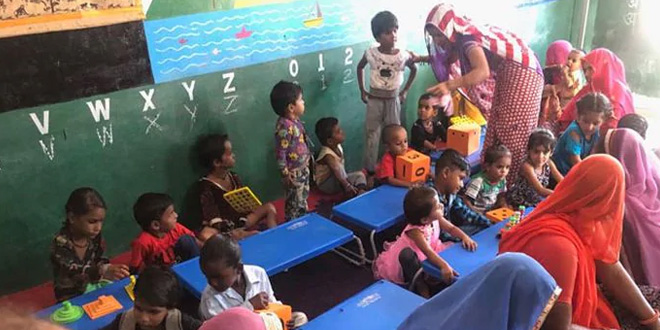
Anganwadi centres continue to be the centre of the child development system in India. They offer crucial services to millions of children and mothers through their services like Supplementary nutrition, preschool education and health referrals. The fact that these services are given budget allocations indicates the realization of the significance of interventions during early childhood. Nevertheless, specialists claim that the level of the struggle, especially the chronic malnutrition and the childcare demands, demand long-term and increased investments.
The increased gender and child allocations have been embraced by the civil society organisations and policy analysts but they warn against looking at the headline figures. The effective utilisation of funds is one of those issues. Some of the social sector schemes in the past years have been under-spent on or not been put in place. When the funds to be spent are not utilized or are received by the beneficiaries at a very late time, then the desired effect of these programmes is greatly compromised.
The other problem is monitoring results. A big portion of the gender budget is incorporated in the larger development programs and thus it is hard to tell how much of the gender budget actually gets to the women. It has been noted by experts that enhanced monitoring systems are required to facilitate transparency and accountability in gender-responsible expenditure. Devoid of such mechanisms, growing allocations might not always correspond to better economic and/or safety and health outcomes of women.
Child budgeting has the same difficulties. Although the allocation on nutrition and childcare has been growing, experts indicate that there is a need to have a greater integration between health, nutrition and education programmes. Social challenges like malnutrition of children, anaemia among teenage girls and ignorance in early childhood learning are some of the issues that need integration of efforts in various ministries and departments.
Nevertheless, these anxieties notwithstanding, the Union Budget 2026-27 is a significant move towards solidifying the notion that the social sector investments lie at the heart of the national development. Gender and child budgeting acknowledge the fact that economic growth cannot ensure equitable results. Rather, the specific investments are required to make sure that the women and children become beneficiaries of development policies, which are usually the most vulnerable population.
Finally, the effectiveness of gender and child budgeting will be determined by the amount of money as well as whether it is well utilized. To ensure the translation of financial commitments into real social change, strengthening local institutions, enhancing monitoring mechanisms and ensuring that the communities are involved in the programme implementation will be essential.
With India continuing to pursue its development agenda, the same issue is still apparent and that is, budgetary allocations have to transform into reality and enhance the lives of women and children throughout the country.
References
- https://www.pib.gov.in/PressReleasePage.aspx?PRID=2229460
- https://www.pib.gov.in/PressReleasePage.aspx?PRID=2221730
- https://prsindia.org/files/budget/budget_parliament/2026/Union_Budget_Analysis-2026-27.pdf
- https://www.cppr.in/articles/union-budget-2026-a-review-of-gender-budget-allocations
- https://indianexpress.com/article/cities/pune/union-budget-2026-27-india-health-system-women-10507759/
- https://www.impriindia.com/insights/population-health-union-budget-2026-27-2/
Clear Cut Research, WASH Desk
New Delhi, UPDATED: March 06, 2026 09:00 IST
Written By: Ruchira Das