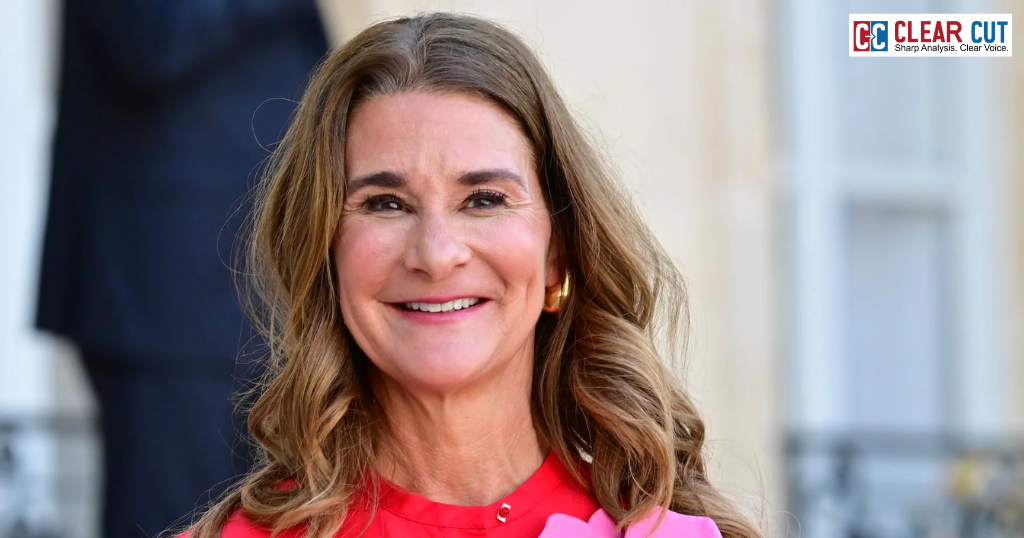
The pledge directs $40 million to maternal mental health in Africa and $10 million to close the menopause care gap across the United States.
Philanthropist Melinda French Gates announced Thursday a $215 million commitment to women’s health through her organisation Pivotal, covering contraceptive access, maternal care, and a notable new push into menopause treatment in the United States.
The funding brings her total investment in women’s health over the past two years to more than $600 million, making it one of the largest sustained private commitments to this area by an individual donor.
The largest single grant, $40 million, goes to Co-Impact to integrate mental health support directly into maternal and primary care clinics across Africa. The approach addresses a persistent gap in how perinatal and postpartum mental health conditions are treated, typically in isolation from the obstetric care women are already receiving.
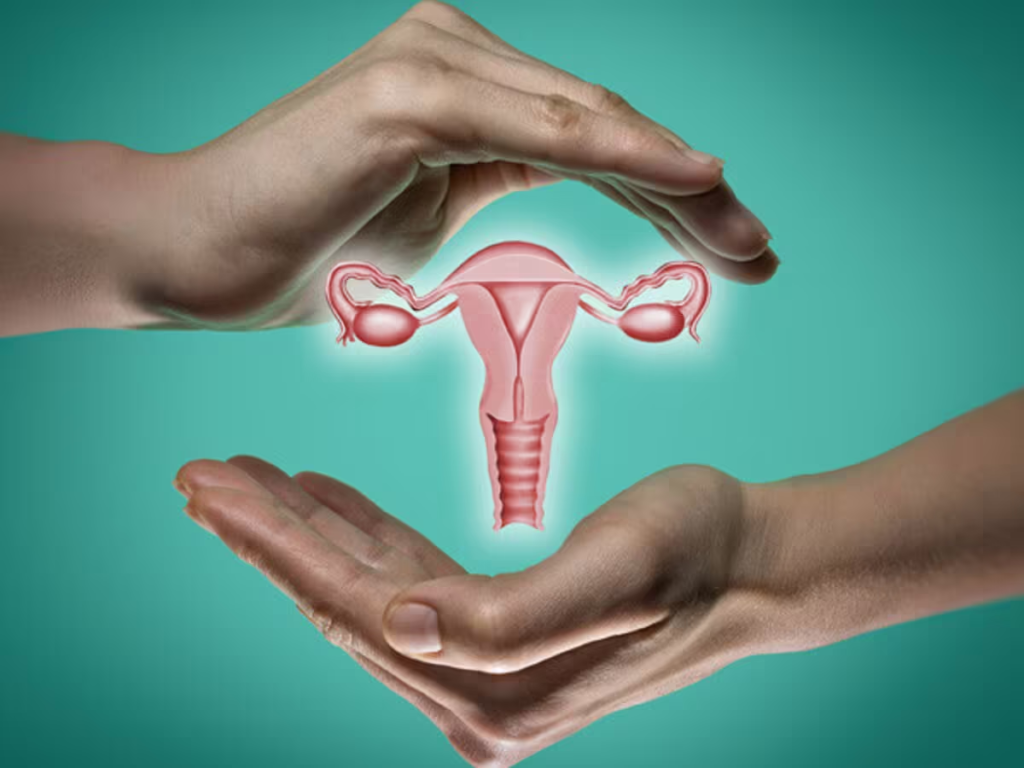
A further $10 million has been granted to The Menopause Society to train healthcare practitioners and expand outreach in areas of the country where qualified providers are scarce.
Dr Stephanie Faubion, medical director of The Menopause Society and head of the Mayo Clinic’s Center for Women’s Health, said approximately 6,000 U.S. counties currently lack adequate access to menopause-competent clinicians.

“Menopause remains one of the most overlooked and underserved areas in medicine, and The Menopause Society believes women deserve better,” Faubion said. “We’re ready to make those changes with the support of donors like Pivotal.”
The scale of neglect in this field has been documented for years without producing proportionate action. According to the World Economic Forum, conditions specific to women receive just 2% of private healthcare funding globally, despite women making up half the population. McKinsey research puts the medical research and development share even lower: five cents of every dollar.
Inside U.S. medical training, the gap is equally stark. Only 31% of OB-GYN residency programmes include any menopause curriculum, and most offer a single lecture or two. Fewer than 7% of residents in family medicine, internal medicine, and obstetrics report feeling equipped to treat menopausal patients, according to data from The Menopause Society.
French Gates has spoken openly about the political headwinds surrounding this work. Federal funding for women’s health research has been cut under the current administration, and several major donors have quietly pulled back from reproductive health funding, wary of political exposure.
“I think philanthropy is going to fill a greater role than it ever has in the past because we are just not going to have the same type of government funding that we’ve had before,” she said. “Funding is hard to come by these days, much harder than it was before. And the need hasn’t gone away.”
Faubion said the attention French Gates’ gift draws to the issue may matter as much as the money itself.
“It will illuminate the gaps that are still there and it makes people not only aware, but maybe motivated to take some action,” she said.
The new commitments sit alongside a $100 million Pivotal-Welcome Leap research partnership announced in 2025, which is running programmes on autoimmune disease, cardiovascular risk in midlife women, and the link between menopause and Alzheimer’s disease. French Gates expects results within three to five years.
On the policy front, she has called for state-level Medicaid expansion to cover menopause treatments, mandatory continuing education for healthcare providers, and formal workplace protections for women experiencing menopause symptoms, a category that currently has no statutory recognition in the U.S.
The personal dimension of the work is not incidental. When French Gates first noticed signs of menopause, her doctor did not raise the subject. She did. The most useful guidance she received came not from a physician but from older friends who had already been through it.
“When I first noticed signs I was starting menopause, it fell to me to raise the topic with my doctor and push for options,” she wrote in a New York Times opinion piece. “Even though I have access to excellent health care, and have spent the past 25 years as a women’s health advocate, there was a lot I simply didn’t know.”
Additional grants on contraception and reproductive access are expected later in 2026.
“I want women’s health issues to not be invisible,” French Gates said. “I want them to be seen for what they’re going through, their real-life experiences, and have those issues addressed so they can live their very best lives.”
Clear Cut Health, Gender Desk
New Delhi, UPDATED: June 05, 2026 06:15 IST
Written By: Muskan Pal