
India is making strong progress toward SDG 1.2, significantly reducing multidimensional child poverty through social welfare programs, improved access to education, healthcare, and nutrition, according to UNICEF’s 2025 report.
Declining Child Poverty: UNICEF
India is making steady progress toward achieving Sustainable Development Goal (SDG) 1.2, which aims to reduce poverty in all its dimensions by half by 2030. A recent assessment by UNICEF indicates that the country is on track to meet this target ahead of the deadline, largely due to sustained investments in social welfare programmes and policies focused on child well-being.
The findings come from UNICEF’s State of the World’s Children Report 2025, which evaluates global progress in improving children’s living conditions. The report notes that India’s poverty reduction efforts have significantly improved outcomes for millions of families, particularly children, who are among the most vulnerable to economic deprivation.
UNICEF emphasised that India’s progress demonstrates how large-scale public programmes and social protection initiatives can reduce poverty and expand access to essential services such as education, nutrition, and healthcare.
Major Reduction in Multidimensional Poverty
According to the National Multidimensional Poverty Index (MPI) prepared by NITI Aayog, around 248 million people in India moved out of multidimensional poverty between 2013-14 and 2022-23. During the same period, the national poverty rate declined sharply from 29.2% to 11.3%.
These improvements have had a direct impact on children. UNICEF highlighted that reductions in household poverty play a crucial role in improving child welfare indicators such as nutrition, schooling, sanitation access, and health outcomes.
UNICEF stated that “India has made strides in the reduction of poverty,” describing the progress as a strong indicator that the country is moving toward achieving SDG 1.2 before the 2030 target.
Experts say that when families rise out of poverty, children benefit immediately through better access to food, schooling, and health services. This makes poverty reduction one of the most effective strategies for improving long-term human development.
Role of Social Protection and Welfare Schemes
A key driver behind India’s progress has been the expansion of social protection coverage, which now reaches a large share of the population. According to UNICEF estimates, coverage increased from about 19% in 2015 to over 64% by 2025, benefiting nearly 940 million people.
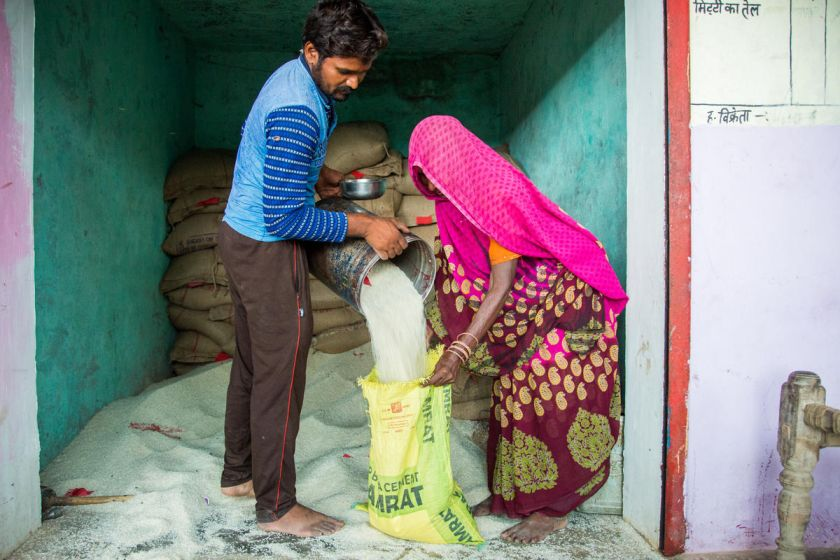
Government initiatives across sectors have contributed to this shift. Programmes focusing on sanitation, food security, rural employment, and financial inclusion have helped reduce vulnerability among poorer households.
Large-scale public investments in infrastructure and welfare schemes have also expanded access to clean water, toilets, and healthcare. Initiatives such as sanitation campaigns significantly reduced open defecation in the country, improving public health outcomes and contributing indirectly to poverty reduction.
UNICEF officials say that sustained investments in children through nutrition programmes, school enrolment drives, and maternal health initiatives are essential to maintaining this progress.
India’s Large Child Population
India is home to about 460 million children under the age of 18, making it the largest child population in the world. Policies that improve family incomes and expand access to services therefore have a major impact on global child welfare indicators.
UNICEF India Representative Cynthia McCaffrey highlighted the importance of sustained policy focus on children. She said that India’s flagship programmes have strengthened investments in children and contributed significantly to poverty reduction.
The report emphasises that progress in India demonstrates the importance of integrating child-focused investments into national development strategies.
Remaining Challenges
Despite the significant gains, challenges remain. UNICEF cautions that progress in child well-being is uneven across regions and communities. In some areas, access to nutrition, education, and healthcare services still lags behind national averages.
Experts also warn that economic shocks, climate events, or health crises could slow progress if social protection systems are not strengthened further.
Additionally, millions of children worldwide still face deprivation in multiple aspects of life, including education and basic services. Addressing these gaps will require sustained funding and stronger policy coordination between governments, international organisations, and civil society.
Outlook Towards 2030 and Vision 2047
Looking ahead, India stands at a pivotal moment in its development journey. With sustained commitment and strategic investments in social protection, education, and health systems, the country has the opportunity to accelerate progress and ensure that development reaches the most vulnerable communities.
Strengthening these foundations will not only support poverty reduction but also enhance child well being and long term human development. As India continues to pursue its broader national vision for economic and social transformation, these efforts can help build a more resilient and equitable society.
If this momentum continues, India’s progress could offer valuable lessons for other developing countries working to reduce multidimensional poverty and improve outcomes for children. By addressing remaining disparities and sustaining inclusive policies, the country can move steadily toward achieving its Sustainable Development Goals while laying the groundwork for a more prosperous and inclusive future by 2047.
Clear Cut Child Protection Desk
New Delhi, UPDATED: March 14, 2026 05:00 IST
Written By: Ayushman Meena