
India and the World Bank have signed a $300 million agreement to launch the Haryana Clean Air Project, aiming to reduce pollution through electric buses, cleaner industries, and improved air quality monitoring. The initiative will also create thousands of jobs, with a strong focus on employment opportunities for women.
India and the World Bank signed a $300 million agreement on Thursday to fund the Haryana Clean Air Project for Sustainable Development. The pact marks a turning point in how India tackles its air pollution crisis. It treats clean air not just as an environmental goal but as a driver of jobs, gender equity, and industrial reform.
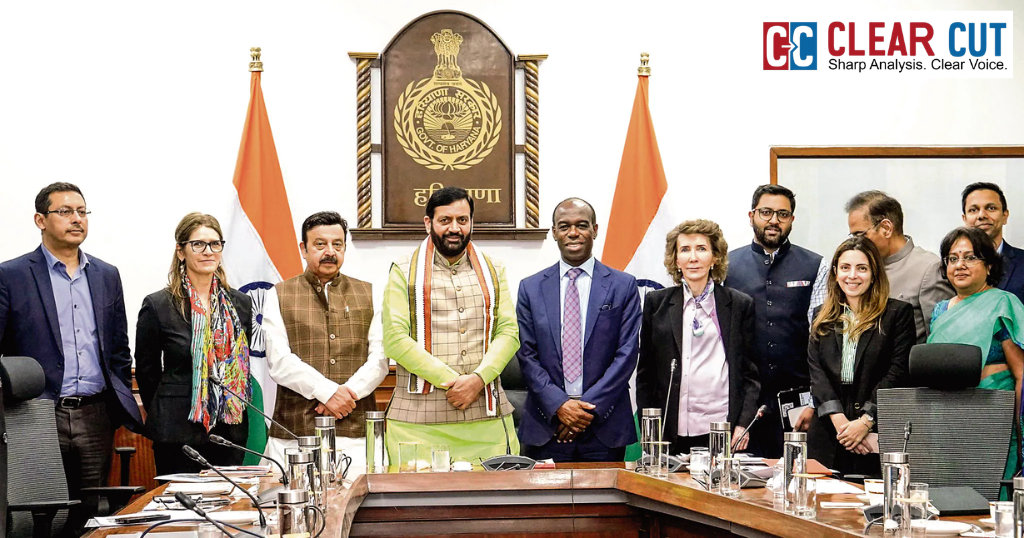
The agreement was signed by Juhi Mukherjee, Joint Secretary in the Department of Economic Affairs, Ministry of Finance, on behalf of the Government of India; Dr. J Ganesan, CEO of ARJUN Council on behalf of the Government of Haryana; and Paul Procee, Acting Country Director for World Bank India.
Why This Deal Matters
The Indo-Gangetic Plains consistently rank among the world’s most polluted airsheds. Cities like Gurugram and Faridabad regularly top national pollution indices. The health toll is staggering.
Paul Procee, Acting Country Director of World Bank India, stated that air pollution is causing severe health impacts, loss of productivity, and reduced quality of life across South Asia.He added that these operations in Haryana and Uttar Pradesh represent the first airshed-based, multi-sectoral programs undertaken by state governments in India to tackle the complex challenge of reducing air pollution.
The project carries a loan maturity of 23.5 years with a six-year grace period. That unusually long timeline signals the scale of structural reform India is committing to.
Clean Buses, More Jobs for Women
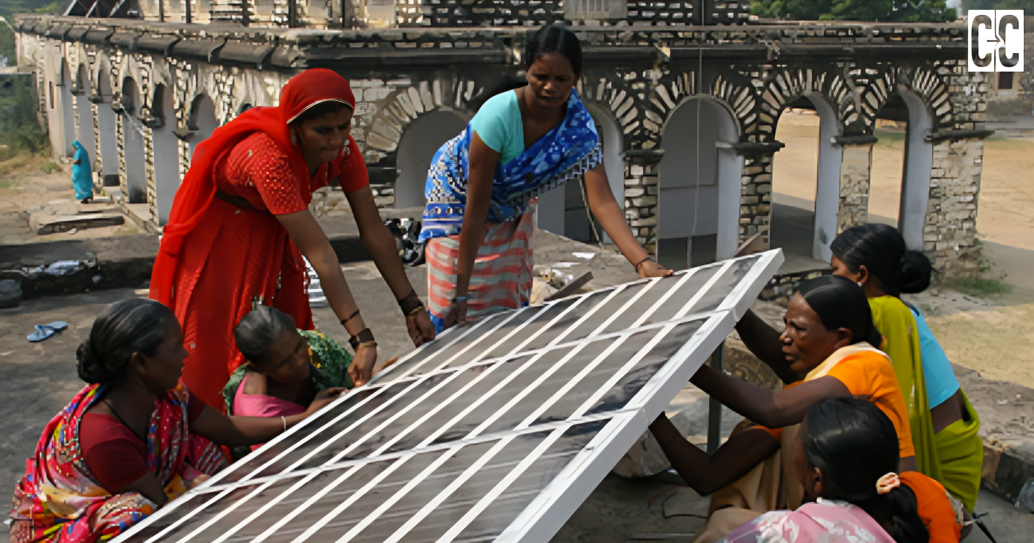
One of the project’s most distinctive features is its focus on gender-inclusive employment. The program plans to hire 10,000 staff, prioritizing women, as drivers and conductors for new e-bus fleets across Gurugram and Faridabad.
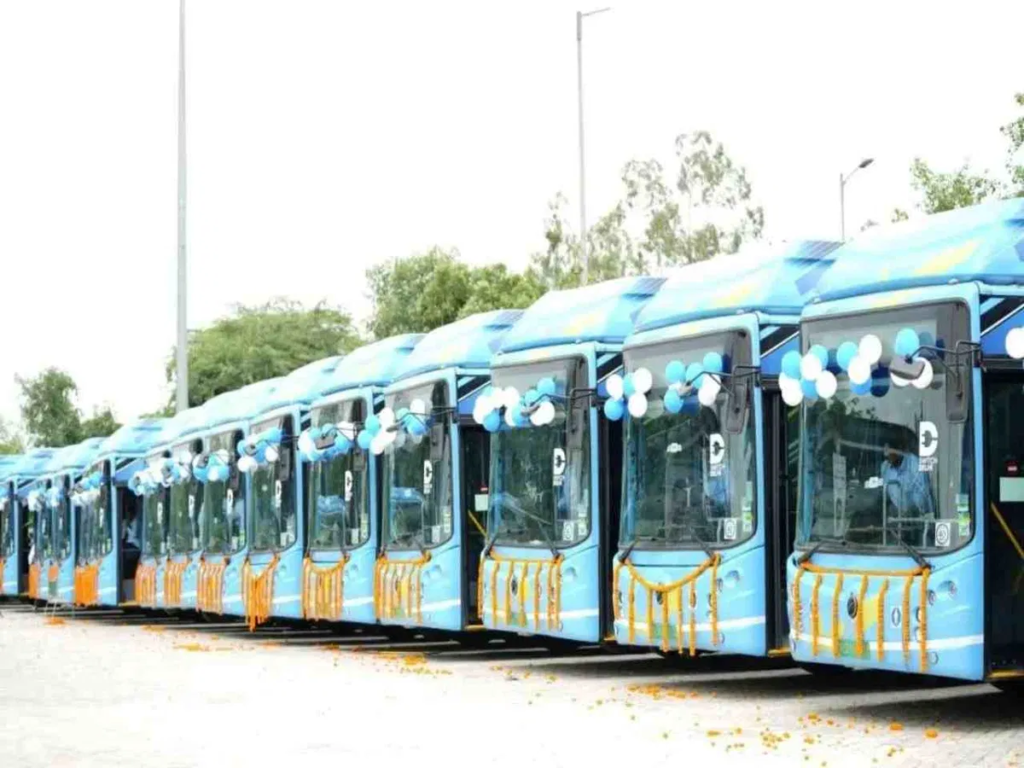
Haryana Chief Minister Nayab Singh warmly endorsed the initiative. He said, “This partnership represents an important step in strengthening our ongoing commitment to improving air quality and safeguarding public health. The initiative will help advance clean and sustainable urban mobility systems while creating new and meaningful employment opportunities, particularly for women and youth in both urban and rural areas.” The project will deploy 500 electric buses, support electric three-wheelers, and establish 200 EV charging stations in Haryana cities including Gurugram, Sonipat, Faridabad, and Jhajjar to cut high-density commuter pollution in the NCR belt.
Supporting MSMEs with Cleaner Tech
Beyond transport, the project targets industrial pollution at its source. It will support clean-tech incentives for over 2,000 MSMEs and promote machinery and technologies for agricultural waste management, including the productive reuse of paddy stubble, the seasonal burning of which chokes the entire northern plains every winter.
The project will also tackle one of Haryana’s most stubborn pollution problems: industrial boiler emissions. Conversion to cleaner fuel systems is part of the package.
ARJUN: The Implementation Engine
India has set up a dedicated body to execute this plan. ARJUN, which stands for AI for Resilient Jobs, Urban Air Quality and Next-Gen Skills Council, is a special purpose vehicle chaired by Rajesh Khullar.It will coordinate implementation across multiple government departments.
The project’s task team leaders explained the logic behind this structure. Sharlene Chichgar, Laghu Parashar, and Saumya Srivastava said, “By targeting emissions in transport, agriculture, industry, and urban development, the programme is designed to cut pollution at source and mobilise over $127 million in private capital.”
Paul Procee added that through private capital mobilization, the program will leverage $127 million for targeted investments in key sectors like transport, energy, and industry to improve liveability for people in the state and the capital city.
Data-Driven Pollution Control
The agreement also invests in the science of measuring pollution. It will strengthen the state’s capacity to monitor and manage pollution by expanding air quality monitoring networks and integrating a state-of-the-art decision support system for data-driven policy making.
This matters because India currently lacks granular, real-time emission data across most of its urban zones. Better data means better policy and faster accountability.
Part of a Bigger Regional Push
Both programs form part of the World Bank’s Regional Air Quality Management Program in the Indo-Gangetic Plains and Himalayan Foothills, a global air pollution hotspot. They will also receive grant support from the World Bank’s Resilient Asia Program, funded by the UK Foreign, Commonwealth and Development Office and the Swiss Agency for Development and Cooperation.

A parallel $299.66 million program was also approved for Uttar Pradesh, targeting 3.9 million households with clean cooking access and introducing electric vehicles across Lucknow, Kanpur, Varanasi, and Gorakhpur. Together, the two programs aim to improve air quality for nearly 270 million people.
A Blueprint for India’s Green Future
The Haryana agreement represents more than a financial commitment. It signals the beginning of a broader vision for sustainable development. By linking climate action with job creation and social inclusion, the initiative demonstrates how targeted investments can address environmental challenges while strengthening local economies and communities.
If implemented effectively, the ARJUN programme could position Haryana as a model for other states facing severe air pollution. It illustrates how climate finance can be used not only to reduce emissions but also to generate livelihoods, empower women, and accelerate green growth.
In the years ahead, such initiatives may help shape a pathway where cleaner air, resilient livelihoods, and sustainable development move forward together. As India advances toward its long term development ambitions, models like this could play a defining role in building a greener, more inclusive future.
Clear Cut Climate, Livelihood Desk
New Delhi, UPDATED: March 17, 2026 09:00 IST
Written By: Ayushman Meena