GHCL Limited exceeded its CSR spending in FY25 with impactful initiatives in education, health, and sustainability. However, broader data shows CSR funds still miss India’s most underserved regions, highlighting a persistent gap between spending and actual need.
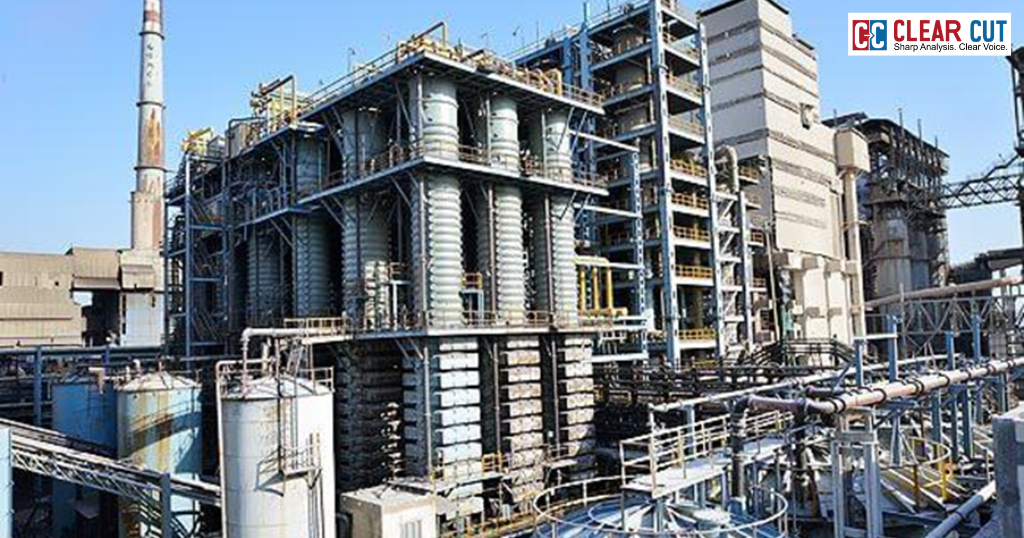
GHCL Limited, based in Ahmedabad and known for producing soda ash and home textiles, just released its CSR annual report for FY2024-25. The company spent Rs 21.86 crore on CSR activities, exceeding the legally required Rs 20.42 crore by about seven percent. Their initiatives cover healthcare, education, rural livelihoods, women’s empowerment, and environmental sustainability, collectively reaching more than 136,000 people.
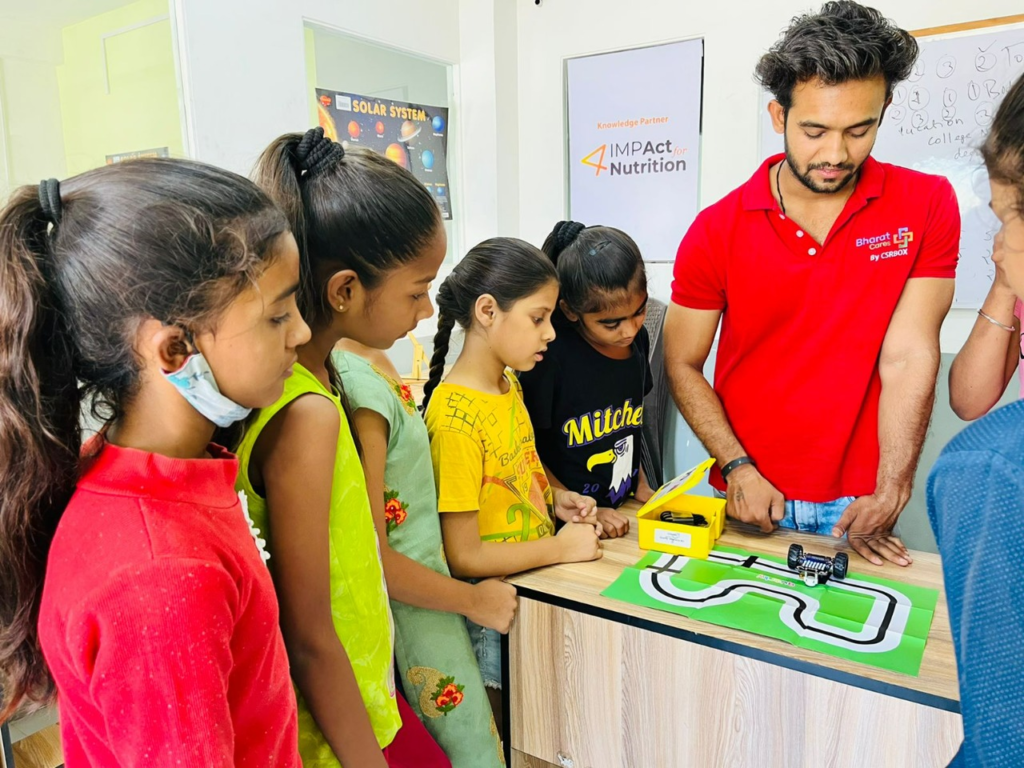
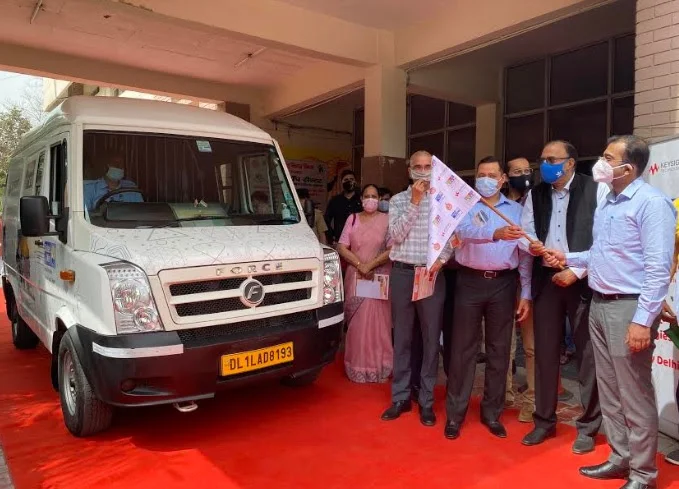
Some projects stand out. For example, their “STEM on Wheels” program, a mobile classroom bringing science and tech education directly to rural schools takes on one of the hardest problems in rural education: not curriculum, but access. Rather than asking children to travel to distant school buildings, GHCL brings science lessons right to them. This seems like a smart way to work around rural infrastructure gaps.
On the health front, GHCL’s report notes that they screened over 20,000 women for cancer in multiple villages and distributed nutrition kits to TB patients through the government’s Nikshay Mitra program. Environmentally, the company planted and handed out more than 300,000 saplings and launched mangrove restoration covering over 500,000 plants along the coast. They’ve also set a target: cut their Scope 1 and Scope 2 emissions by 30 percent by 2030, using tools like CO2 capture and switching part of their fuel mix to biomass. Managing Director R.S. Jalan summed up the company’s approach in India CSR, saying that “sustainability extends beyond operations into the communities industries serve,” pitching GHCL’s efforts as an integrated strategy where environmental and social commitments go hand-in-hand.
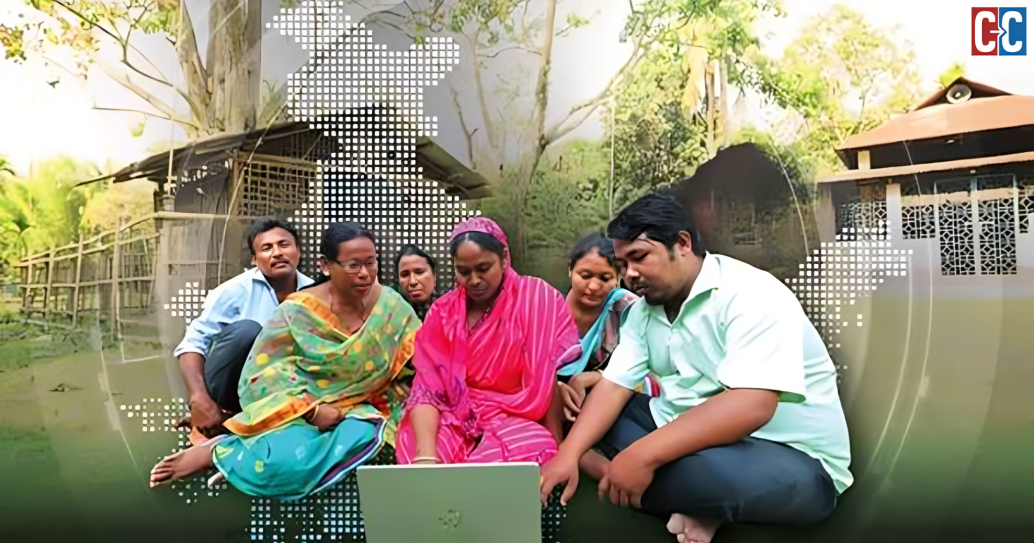
But there’s a bigger picture. A 2025 study from the Development Intelligence Unit, tracking how CSR money gets spent across India, found that only 30 percent of rural districts receive CSR funds in line with their actual development needs. Nearly a quarter of districts don’t match at all, what gets funded isn’t what’s actually needed. Almost half show only partial alignment. The biggest gap is in states like Jharkhand, Chhattisgarh, Bihar, Odisha, Madhya Pradesh, and the Northeast. These states account for over 60 percent of the “aspirational districts” with the most severe child malnutrition and lowest female literacy, but get less than 20 percent of national CSR spending. These are areas with the fewest factories and the kids most in need of a STEM on Wheels van pulling up to their school.
It makes sense, then, that GHCL’s CSR funds follow their factories in Gujarat and Rajasthan. That’s not unique to them; almost every company does the same. The DIU study just points out the structural reality: you get CSR money where there’s industry, not where the needs are biggest. The places that need help most often lack the industry that could attract that investment in the first place. So while something like STEM on Wheels is innovative, it loses part of its impact if it’s running in districts where the Rural Quality of Life Index is already above the national median. It’s a great program, just not always in the places that need it most.
In the end, GHCL’s FY25 CSR report is thorough and responsible. They’ve gone beyond what’s required, supported health, education, and the environment, and set specific targets for emissions. The DIU study doesn’t dispute any of that; it simply frames the reality that most of India’s rural districts especially where needs are highest—
still don’t see much CSR investment. The challenge GHCL’s report can’t solve, and neither can any single company, is how to shift that national pattern. How do we move from 30 percent alignment to something that covers everyone who needs it? That’s the real test for the entire sector.
Clear Cut CSR Desk
New Delhi, UPDATED: May 01, 2026 09:00 IST
Written By: Jay