
At CSW70, a historic 37–1 vote preserved women’s rights at the UN, but it exposed growing global divisions and coordinated challenges to gender equality. While seen as a win, the outcome reflects a shift where defending existing rights is replacing real progress.
The Vote That Shouldn’t Have Happened
On March 9, 2026, inside the UN General Assembly Hall in New York, something occurred that had never happened in the seventy-year history of the Commission on the Status of Women: member states were forced to vote. Not on a resolution. Not on a procedural matter. On the Agreed Conclusions themselves, the session’s core negotiated outcome, a text that since 1996 had always been adopted by consensus.
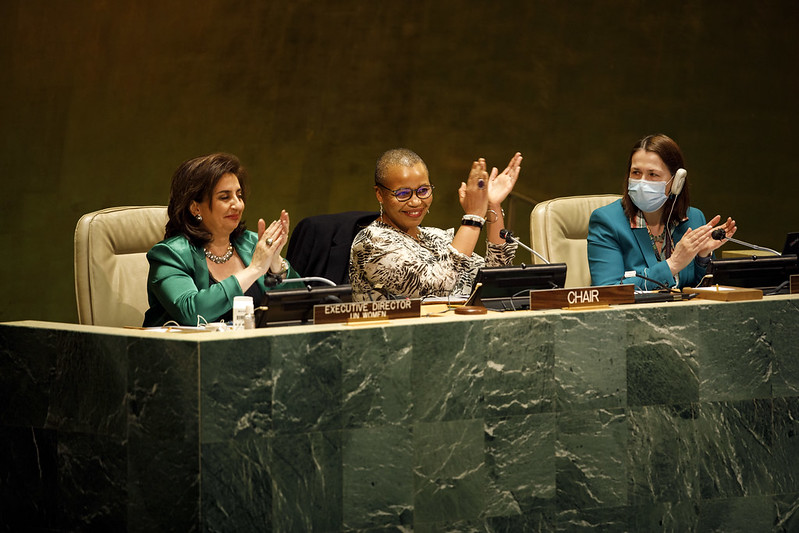
The conclusions passed 37 to 1, with six abstentions. The United States cast the lone dissenting vote. The hall erupted in applause. Delegates called it historic. UN Women’s executive director Sima Bahous said the Commission had sent a strong message to women and girls across the world.
She was right. But the message sent was not the one being celebrated.
What the US Actually Did and Why It Matters
The Trump administration did not simply vote no. It arrived at CSW70 having already withdrawn from UN Women in January and from its Executive Board in February, citing opposition to what it called “gender ideology.” During negotiations, Washington joined the process almost halfway through which is a move that civil society coordinator Veronica Brown of the Women’s Major Group noted was itself a tactic, since “prolonging negotiations creates additional space for a small number of Member States to introduce amendments that risk weakening and diluting previously agreed language.”
The US then submitted eight amendments, all targeting language on sexual and reproductive health rights. The United States argued the document contained “ambiguous language promoting gender ideology” and references to sexual and reproductive health that could imply abortion rights. When those amendments were rejected as a package, Washington attempted to defer the conclusions to the end of the session. When that failed too, it called for a vote, lost by a margin that could not have been more decisive, and separately and tabled a resolution seeking to reaffirm that “gender” in the Beijing Declaration referred only to men and women, effectively attempting to rewrite thirty years of carefully negotiated commitments. That resolution was also blocked, through a no-action motion led by the European Union.
This was not diplomatic theatre. It was a systematic attempt, conducted by the world’s most powerful government, to dismantle the normative architecture of international women’s rights
The Abstentions Nobody Is Talking About
Egypt, Nigeria, Saudi Arabia, and Pakistan, all prominent Global South countries abstained, each requesting more time for negotiations and stating that the draft conclusions still contained language unacceptable to some member states.
Nigeria’s representative specifically noted that some US amendments aligned with its own positions. These abstentions have received considerably less attention than Washington’s lone no vote, but they deserve scrutiny. The anti-rights network operating within multilateral spaces is not exclusively a Western conservative project. It is transnational, and well-financed, with anti-rights actors increasingly embedded within state structures, enabling them to shape both domestic and foreign policy positions, including within multilateral processes. The applause in the General Assembly Hall should not obscure the political coalition that was, and remains, partially assembled.
What Was Actually Won and What Was Already Lost
The Agreed Conclusions themselves are substantive. They formally recognise community justice workers and paralegals within national legal frameworks. They call for the repeal of discriminatory laws including those related to child marriage, family law, and property rights, and introduce new commitments on digital justice and AI governance. In conflict settings, they demand gender-responsive and survivor-centred justice systems. These are not nothing.
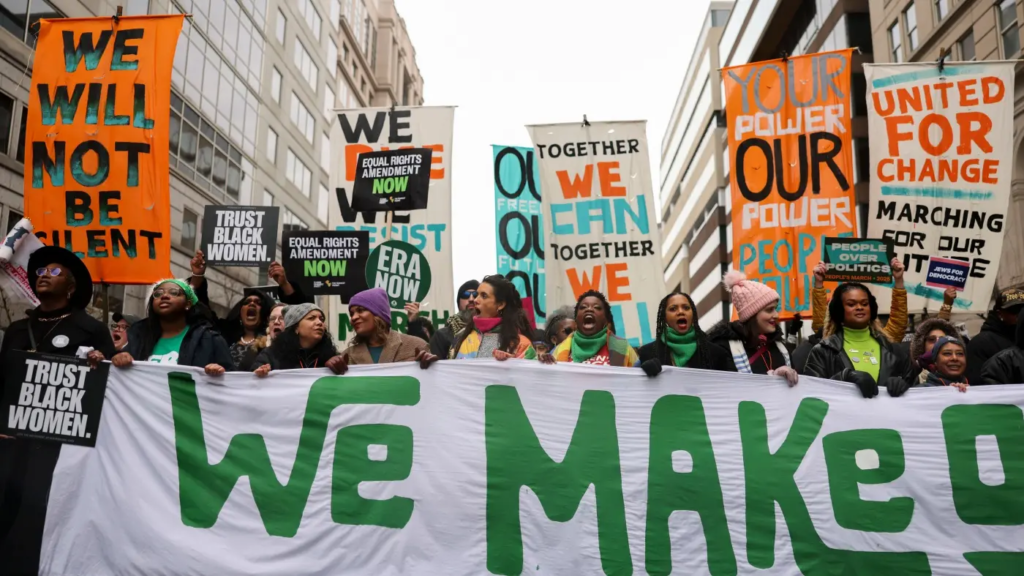
But context matters. In 2025, at CSW69, sexual and reproductive health rights language was stripped from the session’s declaration as a condition for agreement. The concession that enabled consensus then created the template for attack now. What CSW70 recovered, under pressure, was ground that had already been conceded. And the World Bank’s Women, Business and the Law 2026 report confirms what the negotiations obscure: just four percent of women globally live in countries close to full legal equality, and not one of the world’s 190 economies has achieved equal economic participation for women.
The New Bar for Success
Civil society left CSW70 without losing ground and this, increasingly, seems to be the measure of success in the regressive times we live in. That framing, offered by CIVICUS’s head of research, is the most honest summary of the session’s outcome. After seventy years of building the Beijing Declaration, CEDAW, decades of agreed conclusions, the standard has shifted from progress to defence. Not losing is now winning.
The structural reasons for this are not difficult to identify. Budgets for gender equality are being cut; in several countries, ministries dedicated to women’s empowerment have been merged, marginalised or dismantled. US Secretary of State Marco Rubio, at the Munich Security Conference in February, defined western civilisation as bound together by Christian faith, shared ancestry and cultural heritage, an ideological framing that treats women’s equality not as a human right but as a cultural imposition. This is the government that just voted alone against the UN’s women’s rights conclusions.
Conclusion
The 37-1 vote at CSW70 is being read as a victory for multilateralism and for women’s rights. In narrow terms, it was. The Agreed Conclusions survived. The attempt to redefine gender was blocked. The hall applauded. But the applause cannot be allowed to obscure the structural trajectory: a thirty-year normative framework is under coordinated assault, the financing that makes rights real is being defunded, and the geopolitical alignment that once made consensus possible has fractured. Civil society’s battles on women’s rights are now more about defending against further regression than about expecting progress. Celebrating survival as victory is understandable. Mistaking it for progress would be dangerous.
Clear Cut Gender, Research Desk
New Delhi, UPDATED: April 03, 2026 09:00 IST
Written By: Jay