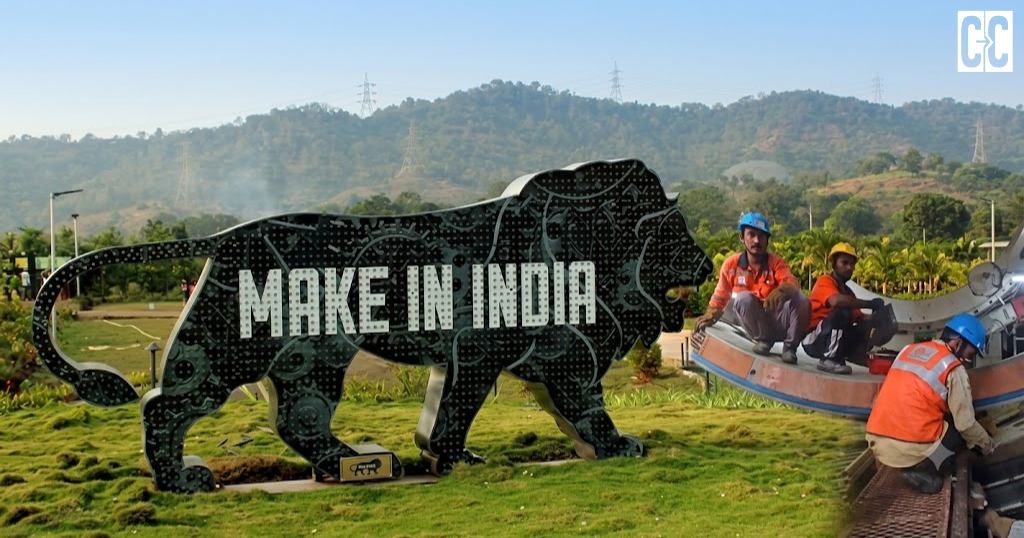
- India’s food processing sector is rapidly growing through schemes like PMFME and PLISFPI, helping rural entrepreneurs increase incomes, create jobs, and build local food brands.
- While exports and processing capacity are rising, India still loses nearly 40% of fresh produce due to weak cold chain infrastructure and poor logistics.
- Experts argue that supporting mid-sized food processors and strengthening supply chains could transform India into a global food processing powerhouse.
The Biscuit That Changed a Village Economy
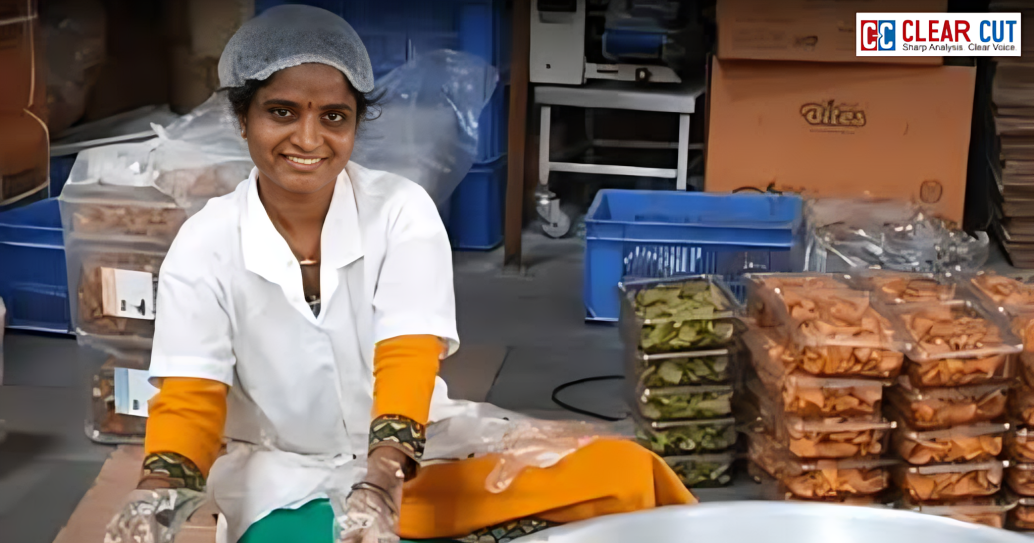
Urmila Devi runs a small food processing unit outside Varanasi. She makes millet-based snacks using a government-supported machine, sells them under a cooperative label, and earns three times what she made from raw grain. Before her unit was set up under the PM Formalisation of Micro Food Processing Enterprises (PMFME) scheme, she sold grain at whatever price the mandi offered. She had no bargaining power, no brand, no margin. Now she has all three.

Her unit is one of over 1,62,744 micro food processing enterprises sanctioned for credit-linked subsidy under PMFME as of October 2025, according to the Ministry of Food Processing Industries. She is a data point in a scheme that has, by most indicators, outperformed its own ambition.
What the Numbers Show
India’s food processing sector GVA rose from ₹1.34 lakh crore (2014-15) to ₹2.24 lakh crore (2023-24). Processed food’s share of agricultural exports grew from 13.7% to 20.4% over the same period. [PIB / Ministry of Food Processing Industries, April 2026]
The Production Linked Incentive Scheme for Food Processing Industry (PLISFPI), launched in 2021 with an outlay of ₹10,900 crore, was designed to create 2.5 lakh jobs and ₹33,494 crore in processed food output by 2026-27. It has already created 3.39 lakh direct and indirect jobs as of February 2026, surpassing its employment target by over 35%. Processing and preservation capacity has expanded by 34 lakh metric tonnes per annum, and ₹2,162.55 crore in incentives have been disbursed to 165 approved applicants across 274 project locations.
Exports of approved processed food products grew at a CAGR of 13.23% from 2019-20 to 2024-25, this is among the fastest-growing segments of India’s export basket. The food processing sector’s global market size is projected to reach USD 1,274 billion by 2027, up from USD 866 billion in 2022.
Where the Gap Persists
India’s food processing level remains low by global standards. Approximately 7% of fruits and vegetables are processed, compared to 70-80% in developed markets. Nearly 40% of fresh produce is lost post-harvest due to inadequate cold chain infrastructure and poor connectivity between farm and factory. Rural India still loses billions of rupees annually to preventable spoilage.
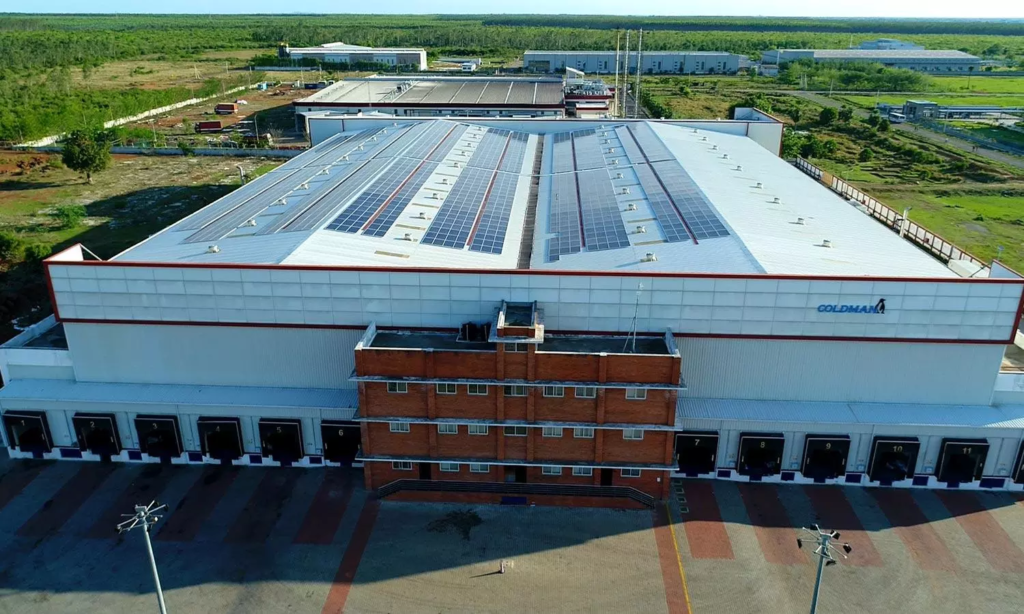
The PMFME scheme addresses micro-enterprise formalisation. This is a genuine and important gap. But between the micro-enterprise and the multinational food company lies a middle tier of food processors: small and medium firms with between 10 and 200 employees, operating in agricultural towns, with access to raw material but not to capital, logistics, or export infrastructure. This tier is underserved by both the mega-brand focus of PLISFPI and the micro-enterprise focus of PMFME.
India produces the world’s second-largest volume of fruits and vegetables. That it also wastes a third of them is not a natural disaster. It is a logistics failure that policy and private investment can solve.
The Policy Demand: Complete the Chain
The Ministry of Food Processing Industries must prioritise three interventions. First, dedicated working capital credit lines for mid-sized food processors in Tier-2 and Tier-3 towns, where raw material is abundant, but financing is episodic. Second, mandatory cold chain connectivity as a standard component of any new food processing industrial cluster sanctioned under PMKSY. Third, the PLISFPI’s branding component must be extended with specific country-market mandates: not merely ‘export promotion’ in the abstract, but specific export agreements by product and market, with accountability timelines.
A Visionary Conclusion: Feed the World, Not Just the Scheme
Urmila Devi’s millet snacks should be in a supermarket in Singapore. They should be on a shelf in Dubai. They should carry an origin story that a global consumer will pay a premium for. The infrastructure for that journey exists in fragments. PLISFPI has shown that when the incentive architecture is right, industry responds. The next chapter must close the cold chain gap, fund the mid-tier processor, and build the export brand that transforms Urmila’s cooperative into India’s global calling card. The scheme is ahead of schedule. The country’s ambition must now get ahead of the scheme.
Clear Cut Livelihood, Research Desk
New Delhi, UPDATED: May 20, 2026 04:00 IST
Written By: Tanmay J Urs