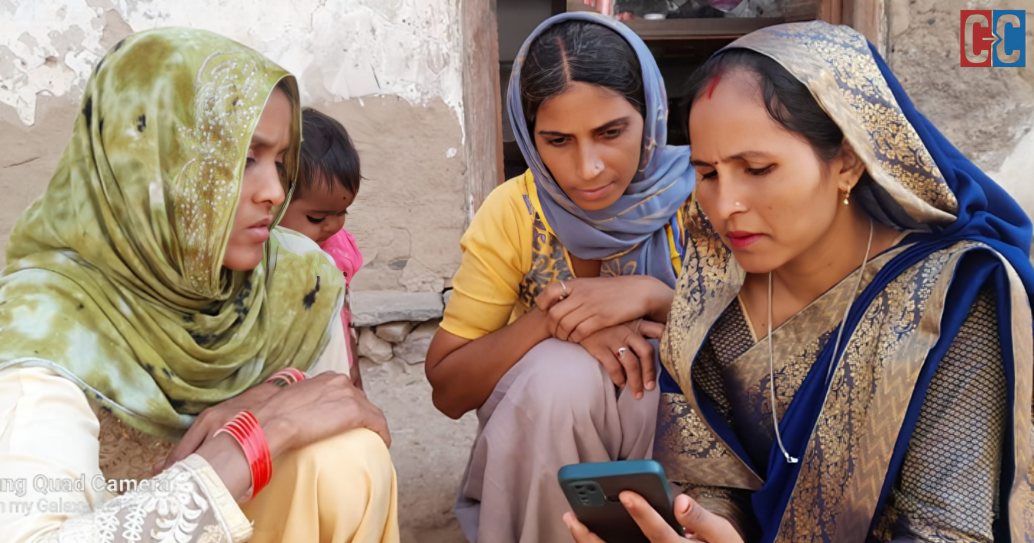


India launched Asia’s first UNESCO Chair on Gender Inclusion and Skill Development to boost women’s participation in future tech jobs, but a stark gap remains as only six women hold senior advisory roles in the health ministry.
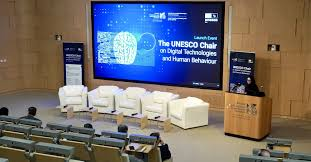
On April 25, 2026, Symbiosis Skills and Professional University in Pune launched Asia’s first UNESCO Chair focused on Gender Inclusion and Skill Development. This happened with support from the Ministry of Skill Development and Entrepreneurship, UNESCO-UNEVOC in Germany, and the UNESCO Global Skills Academy in Paris. The Chair began as part of the “Women Leading the Future of Work” conference and zeroes in on training women for jobs in emerging fields sucb as think semiconductors, advanced manufacturing, AI, robotics, and defence tech. But it’s not just about handing out certificates; it’s about connecting women especially those from underserved communities to skills that actually lead to employment.

This matters. UNESCO Chairs are meant to be more than ceremonial; they work as research and advocacy engines inside universities, producing evidence, training trainers, and nudging policy in meaningful directions over time. The fact that Asia’s first Chair in this arena is in India, within a university committed to skill development, and specifically prioritizing women in high-growth tech sectors, sends a clear message. The problem isn’t that women don’t want to be trained. It’s a structural issue, a pipeline that simply doesn’t carry women into technical jobs, not because they lack capability, but because the system hasn’t routed them there.
Now, look at another number from the same week—a number, honestly, that barely made a ripple. As of 2026, the Ministry of Health and Family Welfare—the agency responsible for all the programs that touch women’s health in India, from maternal care to nutrition—has just six women in senior advisory roles. This data was highlighted by UPSC analyst Insights on India. Six. In a ministry whose main programs—Pradhan Mantri Matru Vandana Yojana, Janani Suraksha Yojana, and Poshan 2.0 nutrition mission—are built for women’s health. In a ministry whose frontline workforce is overwhelmingly female: around 900,000 Accredited Social Health Activists, almost all women, deliver health services to rural communities. Six women helping design the policy at the top, while millions execute it at the bottom.
Research is pretty clear about this. The World Health Organization has repeatedly found that health systems with more women in leadership see better results in maternal and child health, more grounded community programs, and higher uptake, especially in places where male health workers face obstacles due to culture. India’s health ministry is relying on women’s labor and serving women’s needs, but its leadership still doesn’t truly include women themselves.
What’s the link between these two stories? They highlight the same foundational issue. India’s policy frameworks around women whether in skills, health, or social sectors, were built by people who aren’t the women these institutions are meant to serve. The new UNESCO Chair aims to rebuild part of this system: it lays the groundwork for evidence, training, and policy changes that could shift who gets technical skills and in what numbers. It’s important work.
But the ministry’s numbers show that even as India creates new gender-inclusive start-ups and initiatives, its older institutions haven’t internalized the same principles. A ministry that relies on millions of female workers but features almost no women in senior advisory positions isn’t practicing the inclusion it preaches. The real issue isn’t about the competence of individual officers. It’s about whether the perspectives and priorities of women who live the realities of India’s health system actually inform policy at the highest level.
Asia’s first UNESCO Chair on Gender Inclusion and Skill Development is a milestone, no doubt. It starts to fill the gaps that have kept women out of advanced technical fields. That recognition is well-earned. But so is the scrutiny of the number six. A ministry running on the labor of nearly a million female workers, but with only six women at the top, signals a stark governance gap. Launching new chairs at universities won’t fix this on its own. Both facts matter, and they should be examined together.
Clear Cut Gender Desk
New Delhi, UPDATED: April 30, 2026 09:00 IST
Written By: Jay