
- The sixth National Family Health Survey, released on 29 May 2026, offers the most comprehensive nutrition data since NFHS-5.
- According to the fact sheets, stunting has fallen sharply by more than 17 per cent compared to the fifth round.
- Wasting has remained flat; Severe wasting was reduced by more than 32 per cent compared to the previous round of NFHS.
- Breastfeeding practices across states tell a story of stubborn inequality that no policy announcement has yet resolved.
The International Institute for Population Sciences (IIPS), Mumbai, has released the fact sheets of the National Family Health Survey (NFHS) 2023–24, for the sixth round of India’s largest and most widely used health and demographic survey. The findings come nearly five years after NFHS-5 (2019–21), at a time when reducing child malnutrition remains a key national priority through initiatives such as POSHAN Abhiyaan and Anaemia Mukt Bharat.
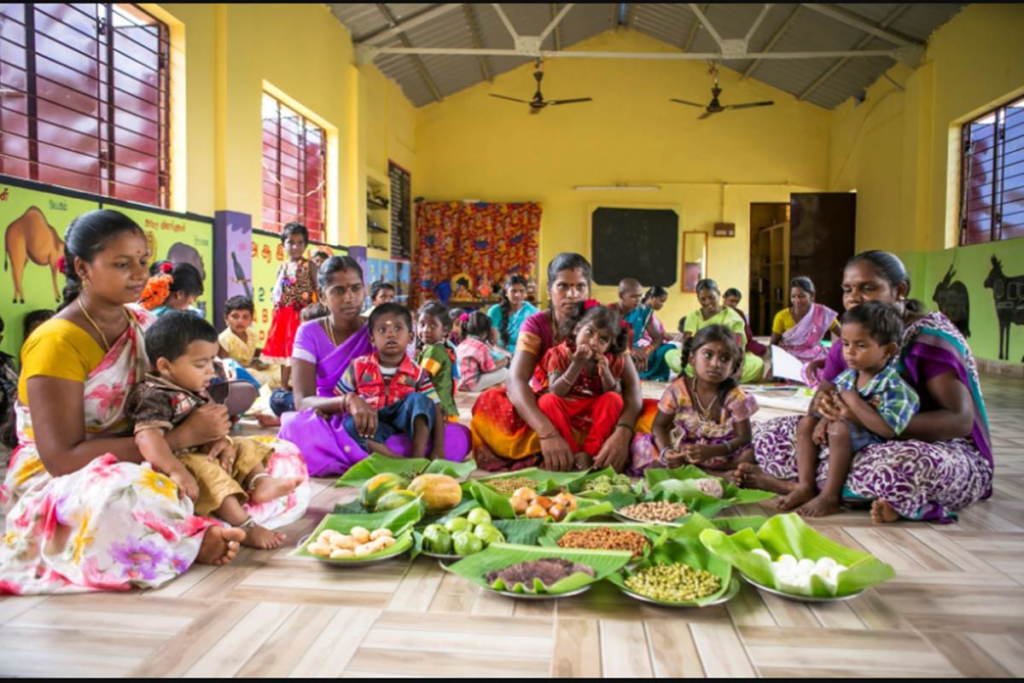
The survey was conducted in two phases: Phase 1 from 28 May 2023 to 26 February 2024, and Phase 2 from 7 February 2024 to 31 December 2024. Together, 27 field agencies collected data from 6,79,238 households, 7,16,397 women, and 1,00,977 men across all states and Union Territories — except Manipur.
IIPS conducted this round without external technical or financial support, a first for the NFHS series. As part of methodological change, in NFHS-6, they expanded the scope of Clinical, Anthropometric, and Biochemical (CAB) testing to include HIV testing alongside Hepatitis B and Hepatitis C. Dried Blood Spot collection from children aged 4–5 years was added for Hepatitis-B testing. New thematic modules were introduced on Direct Benefit Transfer and Self-Help Group coverage, digital literacy, and financial transactions. Data collection continued via Computer Assisted Personal Interviewing (CAPI), enabling real-time quality feedback to field teams. All results in these fact sheets are provisional.
Stunting falls, wasting lingers
NFHS-6 records a meaningful decline in stunting. Nationally, 29.3% of children under five are stunted (low height-for-age), down from 35.5% in NFHS-5 — a six-percentage-point (17.5%) improvement over roughly four years. This is the strongest gain India has recorded on this indicator across consecutive NFHS rounds.
Wasting (low weight-for-height), a marker of acute undernutrition — tells a different story. The national figure stands at 19.0% in NFHS-6, compared with 19.3% in NFHS-5. The decline is marginal and statistically unremarkable. Severe wasting, however, has improved: from 7.7% to 5.2%, a reduction of 2.5 percentage points (32.4%). Wasting is a volatile indicator that responds to seasonal food insecurity and acute illness — but its persistence at nearly one in five children under five remains a public health concern.
Underweight (low weight-for-age), reflecting both chronic and acute deprivation — stands at 31.8% nationally, barely changed from 32.1% in NFHS-5. On this indicator, India has made negligible progress.
“One in three Indian children under five remains underweight. The number has barely moved in five years.”
The urban–rural gap remains stark. Rural children are significantly more affected: 30.9% are stunted (urban: 23.9%), 19.8% are wasted (urban: 16.5%), and 33.8% are underweight (urban: 25.3%).
Looking beyond food
Malnutrition is rarely the result of food scarcity alone. It is shaped by a combination of feeding practices, caregiving behaviours, living conditions, and exposure to illness. NFHS-6 tracks several indicators along this as well, offering insights into the factors that increase a child’s risk of becoming stunted, wasted, or underweight.
Early breastfeeding initiation — the share of children under age three breastfed within one hour of birth — stands at 50.1% nationally, up from 41.8% in NFHS-5. This is a substantial improvement. Early initiation protects against neonatal infections, establishes milk supply, and provides the infant’s first immune stimulus through colostrum. Yet one in two newborns is still not breastfed in that first critical hour.
Exclusive breastfeeding for the first six months has, however, declined. The national figure is 55.8%, down from 63.7% in NFHS-5 — a reversal of one of NFHS-5’s landmark gains. More women report currently breastfeeding (95.6%, up from 95.1%), but fewer are breastfeeding exclusively. The proportion of children under six months who are exclusively breastfed or breastfeeding while consuming only plain water or other milk is 85.3%, up marginally from 82.8%, suggesting that some of the decline is driven by introduction of water or other milk — practices communities do not recognise as disruptions to exclusive breastfeeding.
Introduction of complementary feeding — children aged 6–8 months receiving solid or semi-solid food alongside breastmilk — has improved to 59.5% from 45.9% in NFHS-5. Timely introduction of complementary foods after six months is as critical as exclusive breastfeeding before it. The gain here is one of the more encouraging findings in the nutrition data.
What does the data tell us?
The NFHS-6 findings offer reasons for cautious optimism. Stunting has declined by nearly six percentage points since NFHS-5, indicating that progress is being made on chronic undernutrition. During the same period, India reported high levels of institutional deliveries (90.6%), improvements in antenatal care coverage, vitamin A supplementation reaching 74.6% of children aged 9–35 months, and expanded immunisation coverage. Over the same period, child nutrition outcomes improved as several maternal and child health indicators also moved in a positive direction.
The area of concern is exclusive breastfeeding, which declined from 63.7% in NFHS-5 to 55.8% in NFHS-6. The reasons for this decline are not captured by the survey, but the trend does suggest closer attention. Given the well-established benefits of exclusive breastfeeding during the first six months of life, strengthening support for mothers through health systems, community outreach, and workplace policies remains an important public health priority.
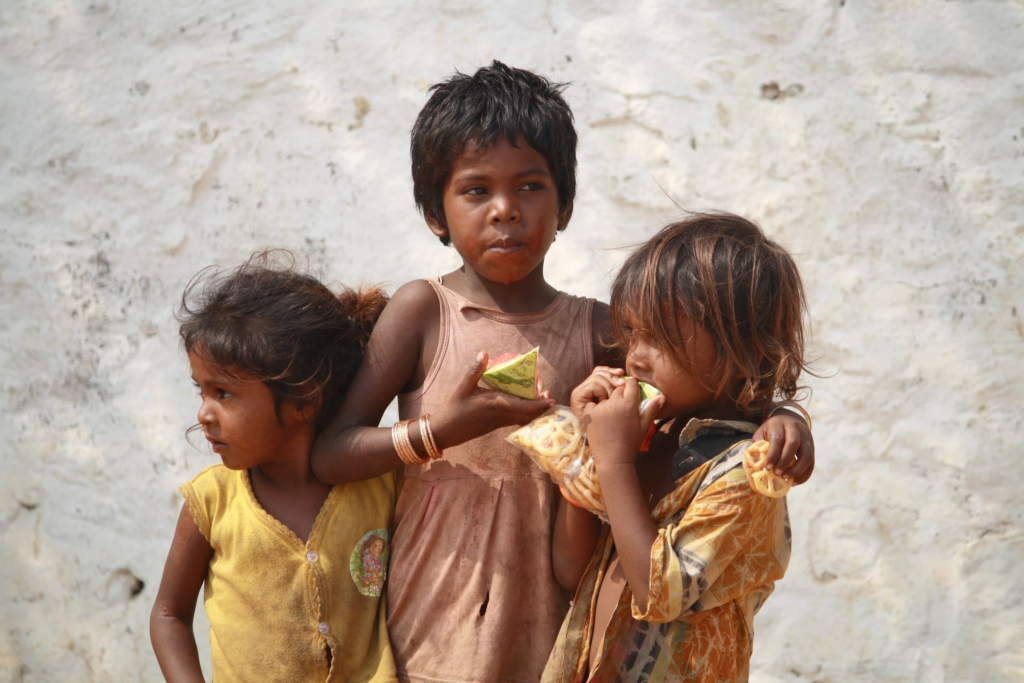
Wasting at 19% is unacceptably high for a country that has reduced stunting significantly. Interventions that reduce stunting — nutrition-sensitive agriculture, sanitation, water access — operate over years. Wasting responds to acute shocks. The therapeutic feeding infrastructure for children with severe acute malnutrition must scale.
What seems to be a paradox is that some of the relatively prosperous states have been leading the country in child undernutrition. The answer lies in tribal and rural pockets where economic growth has not translated into dietary access or feeding-practice change.
The NFHS-6 fact sheets are provisional. Full datasets and district-level estimates will follow. But the directional story is clear: India is moving — though not fast enough, and not evenly.
Clear Cut Health, Research Desk
New Delhi, UPDATED: May 29, 2026 11:00 IST
Written By: Paresh Kumar