

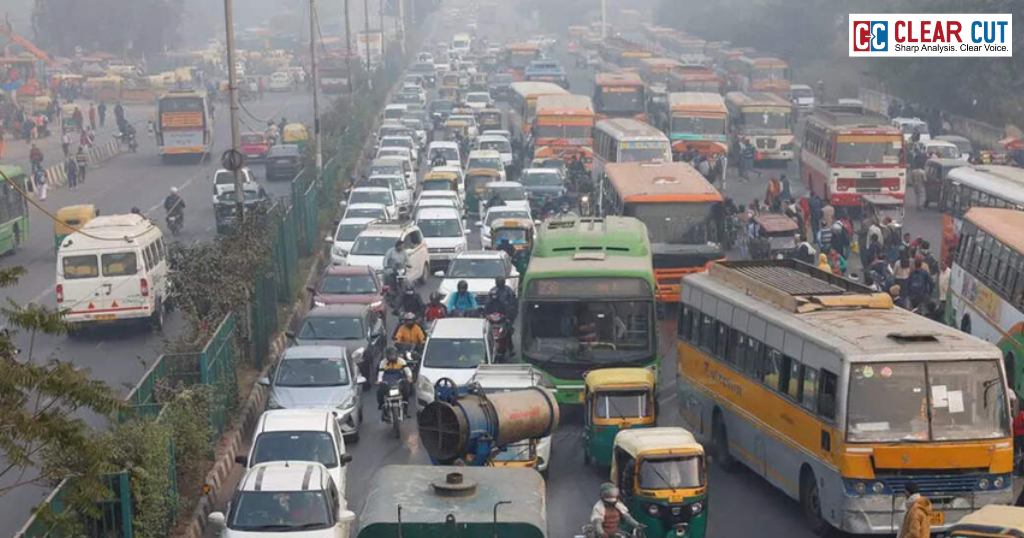
Every winter, Delhi’s air turns into a slow emergency. Children are kept indoors. Hospitals fill up. AQI readings scroll past catastrophic on national television. This June, the Union Cabinet approved a ₹9,585 crore scheme to replace approximately 2.07 lakh ageing trucks and buses in the Delhi-NCR region with BS-VI or cleaner alternatives — a funded implementation plan, with dedicated budgetary allocation, that distinguishes it from previous announcements on the same issue. The source of the pollution, such as heavy commercial vehicles running on BS-III and BS-IV norms, has been known for years
What the Scheme Covers
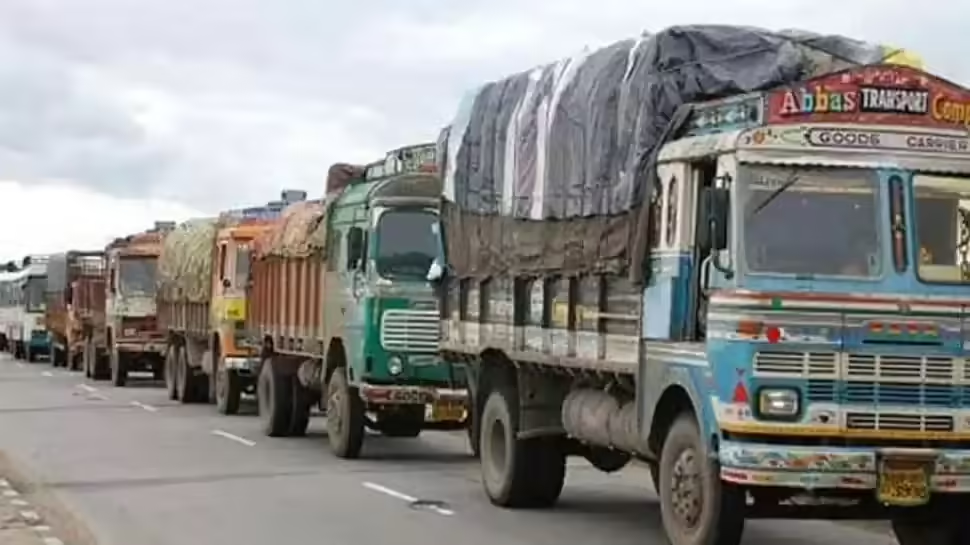
The scheme targets trucks and buses registered in Delhi, Haryana, Rajasthan and Uttar Pradesh that comply with BS-IV or earlier emission norms. Of the 2.07 lakh vehicles to be replaced, 1.91 lakh are trucks and 16,329 are buses. The central government is contributing ₹5,041 crore, with participating states offering an estimated ₹1,601 crore in tax concessions. Auto OEMs participating in the scheme will additionally offer 8% discounts on ex-showroom prices.
The incentive architecture includes a 5% interest subvention on vehicle loans for five years from the date of registration, monthly fuel vouchers, and additional support for electric vehicle purchases or certificate of deposit trading under the vehicle scrappage policy. For BS-III and older vehicles, scrapping at Registered Vehicle Scrapping Facilities is required to access benefits. The scheme will run on an integrated digital portal enabling real-time eligibility checks, automated claims, and pollution monitoring.
Pollution Evidence
The Source Apportionment Report on PM2.5 and PM10 in the NCR, prepared by the Automotive Research Association of India (ARAI) in collaboration with NEERI, identifies vehicular emissions as a significant contributor to fine particulate pollution in the region. Heavy commercial vehicles are among the highest per-vehicle emitters of both NOx and particulate matter. The health cost of Delhi’s air is immense: respiratory disease burden, loss of school and work days, and increased mortality risk during peak smog months.
Implementation Design and Accountability
The scheme will be monitored by an Empowered Committee chaired by the Cabinet Secretary, with the CEO of NITI Aayog and secretaries from multiple ministries as members. At the district level, District Collectors and District Magistrates will be responsible for implementation and monitoring. This is a ground-level accountability mechanism that is often the weakest link in central schemes. The 2-year enrolment window is tight and the benefits from the central government will continue for five years from each vehicle’s registration date, ensuring sustained post-enrolment support.
What This Doesn’t Solve
Experts caution that replacing 2 lakh vehicles addresses only one slice of Delhi’s air crisis. Stubble burning, construction dust, industrial emissions from the NCR’s hinterland, and two-wheelers together contribute substantially to ambient pollution. The scheme is not designed to address those. Its value lies in targeting one of the most tractable and high-impact interventions: retiring old heavy vehicles that punch above their weight in emissions. The success of the scheme will hinge not just on funding but on whether vehicle owners find the incentive package compelling enough to participate.
Conclusion: From Announcement to Breathable Air
India has announced many things about Delhi’s air. This time, ₹9,585 crore is on the table. The scheme is well-designed with digital accountability, cross-ministry coordination, and state partnership built in. But schemes do not scrape old trucks off the road such as enforcement, awareness, and accessible financing do. States must not treat this as bureaucratic exercise. The children of Delhi are not waiting for another winter report card. They are waiting for air they can breathe. The Cabinet has done its part. The states, OEMs, and district officials must now do theirs within the window, not after it closes.
Clear Cut Climate Desk
New Delhi, UPDATED: June 13, 2026 01:00 IST
Written By: Tanmay URS