- India wants to turn its spices into premium global wellness products instead of just exporting raw materials.
- The new AYUSHEXCIL-Spices Board partnership focuses on branding, certification, and better income for farmers.
- Success will depend on strong quality control and supply chain improvements.
The Spice She Grew. The Market She Never Reached.
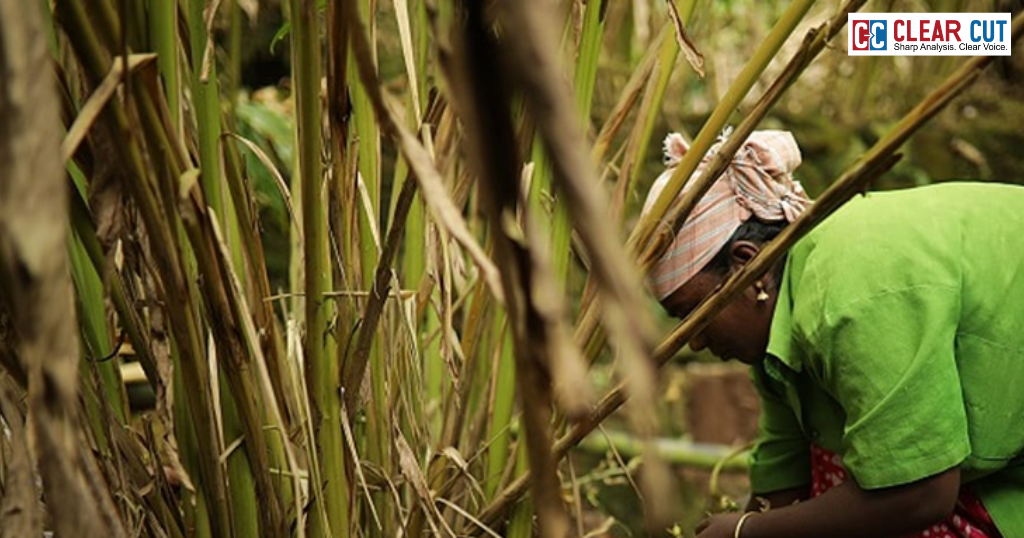
Meenakshi Pillai grows turmeric on two acres in Erode, Tamil Nadu. The same district produces nearly 60% of India’s turmeric. She sells through a local aggregator at Rs. 80-90 per kilogram. The same turmeric, value-added into curcumin capsules and marketed under a wellness brand in Germany, sells for the equivalent of Rs. 8,000 per kilogram. The gap between what she earns and what the product eventually generates is not a farming gap. It is a supply chain gap, a certification gap, and a branding gap. It is also the precise gap that the MoU signed between AYUSHEXCIL and the Spices Board of India on May 25, 2026 is designed to begin closing.
The Memorandum of Understanding, signed in New Delhi in the presence of Union Minister of State for Ayush Prataprao Jadhav, commits both organisations to collaboration across export promotion, quality assurance, standardisation, research, innovation, and international market development for functional foods, nutraceuticals, herbal extracts, and value-added Ayurvedic and spice-based products.
The Market Opportunity Is Real and Growing
India’s AYUSH and herbal exports: USD 688 million in 2024-25, up 6% from USD 649 million in 2023-24. India’s spice exports: projected to cross USD 6 billion in FY 2024-25. The global wellness economy exceeds USD 6 trillion.
PIB / Ministry of Health JP Nadda / Spices Board 2026
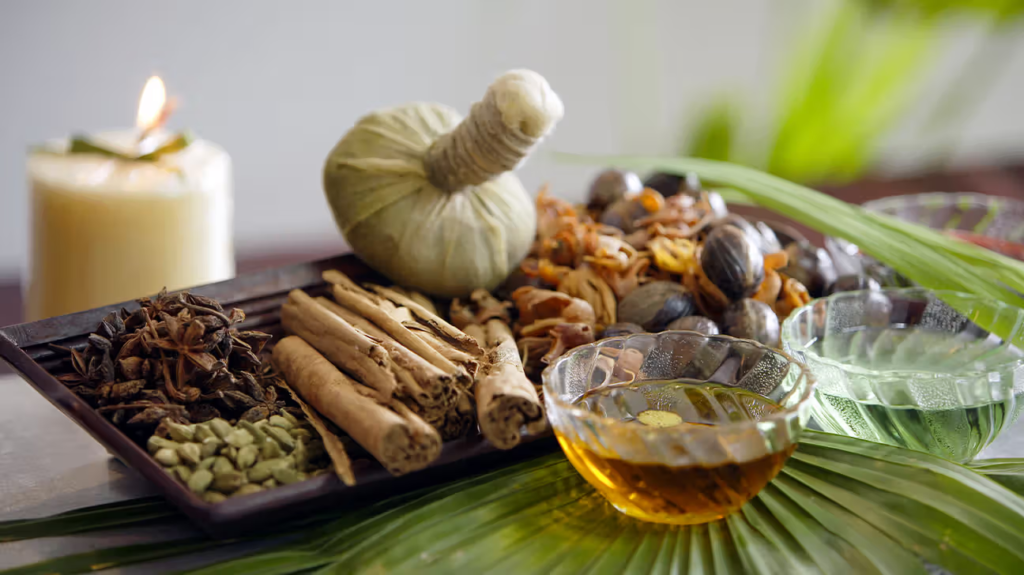
India sits at a remarkable intersection of global market forces. The global wellness economy, estimated at over USD 6 trillion and growing, is increasingly demanding natural, traditionally validated health products. India has turmeric, ashwagandha, cardamom, ginger, black pepper, holy basil, and hundreds of other plants that have been used medicinally for millennia and for which growing scientific literature confirms bioactive properties. The country grows approximately 70% of the world’s spice varieties.
The gap between this raw material abundance and export value capture is vast. India’s spice exports in FY 2024–25, while at near-record levels in volume, are still largely concentrated in raw and semi-processed forms. The value-added segment such as standardised extracts, certified nutraceuticals, branded functional foods, clinically validated herbal formulations. This is dominated by American, European, and Chinese brands that source Indian raw material, process it elsewhere, and sell it globally under foreign brand equity. The MoU’s ambition is to interrupt that value extraction at the source.
What the MoU Specifically Commits To
The partnership covers six operational areas. Firstly, the joint branding initiatives including the ‘Spice and Heal’ campaign, which Minister Jadhav described as a powerful positioning tool for India as a global holistic health leader. Traceability frameworks that enable buyers to verify origin, cultivation method, and processing standards from farm to export. Scientific validation of traditional spice-Ayush formulations, using research protocols acceptable to international regulatory bodies. Capacity building for MSMEs, startups, and women entrepreneurs to enter export markets with certified, standardised products. Codex engagement in the context of India’s participation in the international food standards body, governing what can be sold as a health product in global markets. Joint trade fair representation.
The beneficiary list explicitly includes women entrepreneurs. This is policy specificity worth noting. The turmeric and spice supply chain in Erode, Wayanad, and the Northeast is substantially female-dependent at the farming and primary processing level. Export-value programmes that reach these producers directly rather than only at the aggregator level are the ones that change rural income rather than merely changing trade statistics.
The Gaps That Must Be Closed Before the Campaign Launches
The ‘Spice and Heal’ campaign will only work if the product behind the brand can be trusted. Quality consistency and adulterant-free certification are the most documented failures in India’s spice export history. In 2023-24, India faced multiple rejections of spice consignments in EU and US markets for pesticide residue and contamination issues. These incidents that damaged brand equity built over years. Scientific validation and traceability frameworks must precede, not follow, the international branding campaign. Selling the brand before fixing the supply chain is the fastest way to destroy both.
From a farm to global wellness shelf
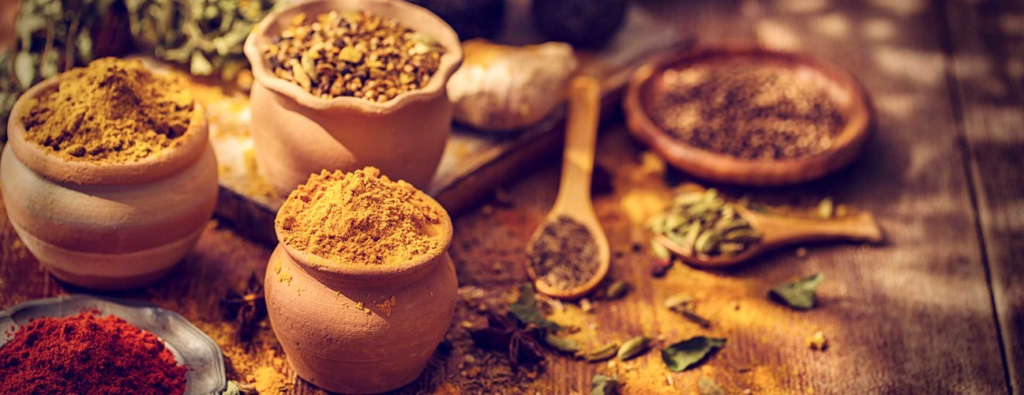
Meenakshi Pillai’s turmeric should not travel to Germany as a commodity and return as a premium. It should leave India as a premium, certified, branded, traceable product, carrying her district’s name and her cultivation method on the label. The AYUSHEXCIL-Spices Board MoU creates the institutional architecture for that journey. Now it needs the supply chain investment, the quality enforcement, and the farmer-producer organisation infrastructure to make the brand real at the root level. Build the Spice and Heal campaign from the ground up. Start in Erode.
Clear Cut Livelihood, Research Desk
New Delhi, UPDATED: May 27, 2026 05:00 IST
Written By: Tanmay J Urs