

Clear Cut Magazine

The Anti-ESG Backlash Is Hitting Women Hard. The Numbers Tell a Story Few Are Tracking.

The anti-ESG backlash is weakening accountability systems and cutting funding for gender-focused programmes globally. As ESG rollbacks and aid reductions grow, women are disproportionately bearing the impact, slowing progress on equality. Trump-era ESG rollbacks and global aid cuts are hitting gender programmes hardest. The UN has the numbers. The corporate sector is looking the other…

Read More

India Skills 2025-26 Wrapped Up in Greater Noida. Seven UP Medallists. Two Were Women. Nobody Mentioned That.

India Skills 2025–26 ended in Greater Noida with UP winning seven medals, but only two were women, exposing a clear gender gap in vocational training. The results highlight deeper structural inequality in Skill India, where women remain underrepresented in high-value technical trades. India’s largest skill competition closed in Greater Noida on April 2. UP won…

Read More

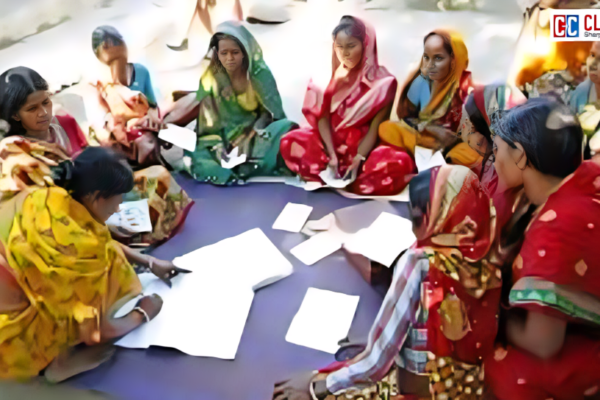
250 Million Hours a Day: India’s Water Crisis Is a Gender Crisis, and CSR Is Barely Noticing

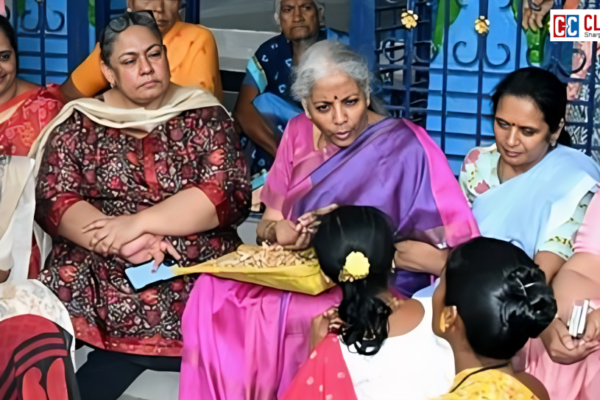
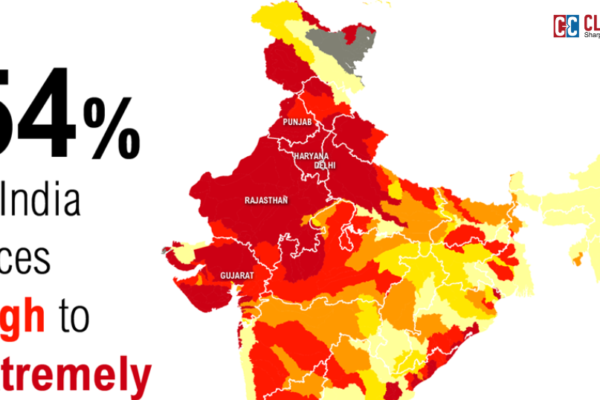
India’s water crisis disproportionately burdens women, who spend millions of hours daily fetching water, reinforcing gender inequality. Despite massive CSR spending, corporate efforts largely ignore this social dimension and fail to reduce women’s time poverty. The Number Nobody Quotes in a Boardroom Two hundred and fifty million hours. Every single day. That is the collective…

Read More

Ruchi Kalraand the Discipline of Building Big: A Woman Leading Where Numbers Decide Power

Ruchi Kalra built OfBusiness and Oxyzo into profitable, scalable businesses by focusing on financial discipline and real industry needs. Her leadership is redefining women’s role in India’s capital-intensive startup ecosystem. In an ecosystem that often celebrates speed over substance, Ruchi Kalra built patiently. She did not chase visibility. She chased viability. As the co-founder of…

Read More

Empowered in Rhetoric, Why India’s Gender

India’s women empowerment narrative is strong in policy and rhetoric, but real outcomes remain unequal due to flawed system design, data gaps, and ignored structural constraints like unpaid care work. True empowerment requires redesigning policies around evidence, accountability, and women’s lived realities—not just participation or intent. India speaks the language of women’s empowerment fluently. does…

Read More

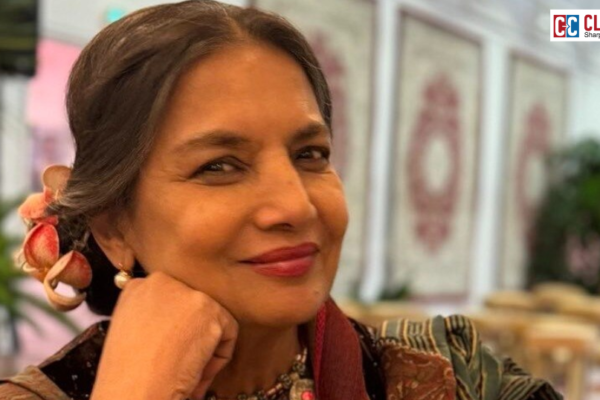
Shabana Azmi: Ethics of Philanthropy

Shabana Azmi exemplifies how art and activism can work together, using her influence to drive women’s empowerment, child rights, and grassroots social change. Her lifelong philanthropy reflects a deep belief that privilege and creativity must serve society, creating lasting impact beyond the screen. Despite five National Film Awards for Best Actress, over fifty years of…

Read More

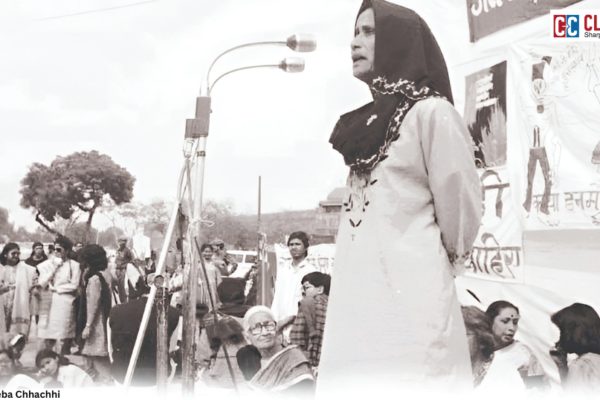
SHAHJAHAN BEGUM:GRASSROOTS LEADER, FEMINIST FIGHTER

Shahjahan Begum was a fearless grassroots activist who transformed personal tragedy into a lifelong mission to fight violence against women and empower marginalized girls through education and collective action. Shahjahan Begum (1942-2013) is a leading figure in the Indian women’s movement. From her working-class neighbourhood, she spoke up, calling out violence and abuse, rampant within…

Read More

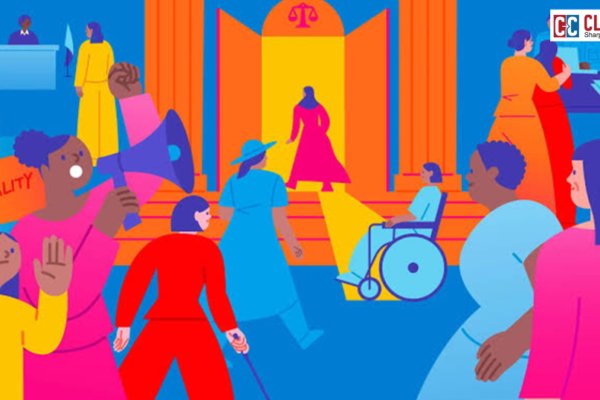
Gender Budget 2026–2027: Fiscal Signals and Women’s Empowerment

India’s Gender Budget 2026–27 shows modest growth and improved reporting, but remains largely welfare-focused with limited impact on structural gender inequalities. A lack of outcome-based accountability, weak care economy reforms, and fiscal volatility continue to constrain meaningful progress toward gender equity. Persistent gender discrepancies in political representation, education, health, and labour markets coexist with India’s…

Read More

The Invisible Hands That Hold Us Up: G20’s “Care Floor” as a Beautiful Promise

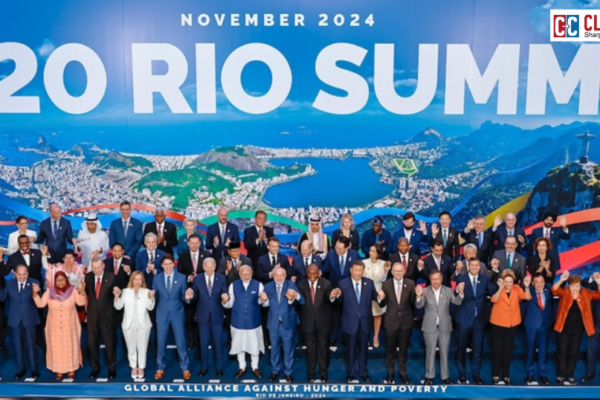
The G20 Social Summit in Brasilia is pushing for a “Universal Care Floor” to formally recognize unpaid care work. This policy could transform millions of caregivers—especially women—by integrating them into social protection systems and redefining how societies value care. Take a moment to think, about the first person who woke up in your home today….

Read More