
Clear Cut Magazine

Equal Pay, Unequal Reality: The Gender Pay Gap as a Corporate Responsibility Failure

The gender pay gap persists globally despite gradual progress, driven by structural inequalities, occupational segregation, and the motherhood penalty. While corporate transparency and policies can help, meaningful change requires deeper systemic reforms beyond equal pay measures. Gender pay disparity continues to be one of the most quantified, most contested, and most persistently pervasive phenomena in…

Read More

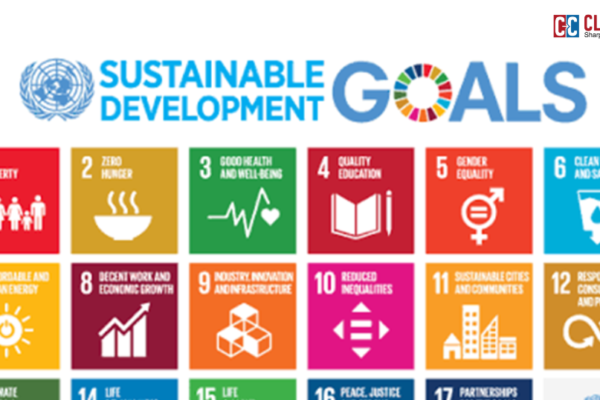
Is the cost of SDG too high ?

The UN’s 2026 report highlights a growing $4 trillion financing gap threatening Sustainable Development Goals, with declining aid and rising pressures disproportionately impacting developing countries, especially women and girls. The Report Nobody Wanted to Write On April 9, the UN released its 2026 Financing for Sustainable Development Report, which was the first comprehensive assessment of…

Read More

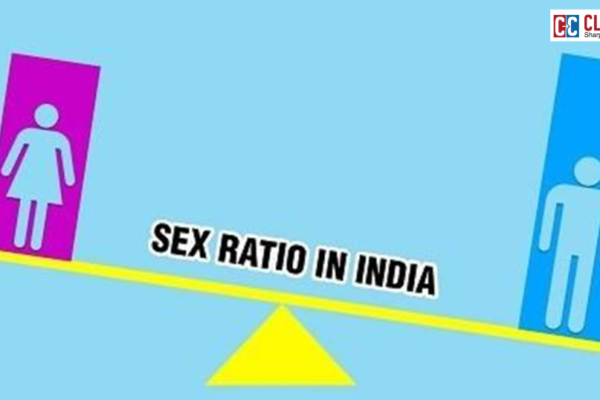
Haryana’s Sex Ratio and A Hope in CSR

Haryana’s sex ratio has fallen to 910 despite years of government campaigns and CSR efforts, revealing that awareness alone has failed to address deep-rooted son preference. Real change requires tackling economic, legal, and social structures driving gender bias. A Number Nobody Wanted to Talk About Start with the arithmetic. Of the 516,402 children born in…

Read More

India’s Transgender Amendment: A Law That Narrows the Door It Claims to Open

India’s Transgender Amendment Act 2026 replaces self-identification with mandatory medical verification, limiting who qualifies as transgender and raising serious constitutional concerns. The law has sparked legal challenges and criticism for undermining rights guaranteed by the Supreme Court and marginalizing already vulnerable communities. A law Passed in Haste On March 25, 2026, India’s Parliament passed the…

Read More

The Ageing Gender Problem

The article highlights how older women remain overlooked in gender equality efforts, especially in ESG and CSR frameworks, despite facing compounded lifelong inequalities. It calls for inclusive policies and corporate action to address their economic security, care needs, and social protection. CSW70’s Ministerial Round Table specifically addressed older women as an emerging focus area. Women…

Read More

An Economy of Care

Unpaid care work, worth $10.8 trillion globally, remains invisible in economic systems despite sustaining the workforce and corporate productivity. Investing in care infrastructure is essential for gender equality, higher female participation, and inclusive economic growth. Unpaid care work produces $10.8 trillion in annual economic value. CSW70 called for care infrastructure investment. The corporate sector extracts…

Read More