
- UN Women says extreme heat affects women and girls more severely than men due to biological factors, unequal access to water and sanitation, unpaid care work, and unsafe working conditions, making heatwaves a major gender inequality issue.
- In India, women are experiencing significant income losses, health risks, and increased workloads during extreme heat, highlighting the need for gender-responsive Heat Action Plans, labour protections, and climate policies.
Eighty-one-year-old Felisa Cuc walks the path to her home in rural Sepur Zarco, Guatemala, trying to outrun the heat. Thousands of kilometres away, in a district in Rajasthan, another woman leaves before sunrise to fetch water, hoping to finish the walk before the day’s heat becomes unbearable. Neither woman set the thermostat on the planet. Both are paying for it.
That is the argument at the heart of UN Women’s latest explainer, published as heatwaves and shattered temperature records spread worldwide, compounded by an El Niño event threatening further shifts in regional weather patterns this year. The report’s central claim is straightforward: extreme heat is not a gender-neutral hazard. Gender plays an active role in heat exposure, alongside age, economic resources and geography. Women and girls experience extreme temperatures differently from men and boys, a gap rooted not only in biology but in gendered social norms.
The body under strain
Start with physiology, because UN Women does. From adolescence onward, women sweat less than men, and their hearts typically smaller come under greater strain during heat stress. Menstrual cycles produce natural fluctuations in core body temperature, and menopause brings hot flashes that intensify on already sweltering days. Elderly women sweat about half as much as elderly men and often have less financial security to afford cooling, while children depend entirely on caregivers to keep them hydrated and safe. Pregnancy adds further strain, with heat exposure linked to preterm birth, low birth weight, birth defects, stillbirth and hypertension.
None of this happens in isolation from daily life. Chronic conditions like diabetes, asthma and cardiovascular disease worsen under heat stress, and heat also erodes mental health, breeding confusion and fatigue while often driving people indoors and away from the social contact that would otherwise help them cope. Globally, nearly half a million people die from heat-related illness every year, with sharp spikes during heatwaves deaths the report notes are largely preventable with the right awareness and intervention.
Water, sanitation and the walk that shouldn’t be necessary
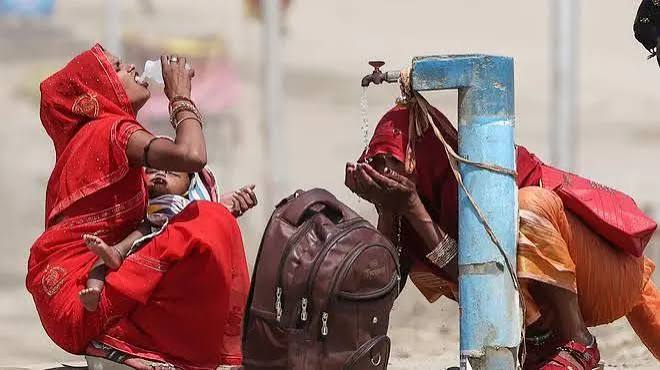
For UN Women, water is where biology and inequality first collide. One in four women and girls worldwide lack access to safe drinking water, and in places without a reliable supply, it is disproportionately women and girls who take on the household task of fetching it often via long, increasingly dangerous treks in extreme heat. Where safe toilets are scarce, women may deliberately restrict how much they drink, and for those who are menstruating, the combination of heat and inadequate sanitation can force them to miss work or school. Worldwide, two in five women still lack access to a toilet.
A double shift, twice as hot
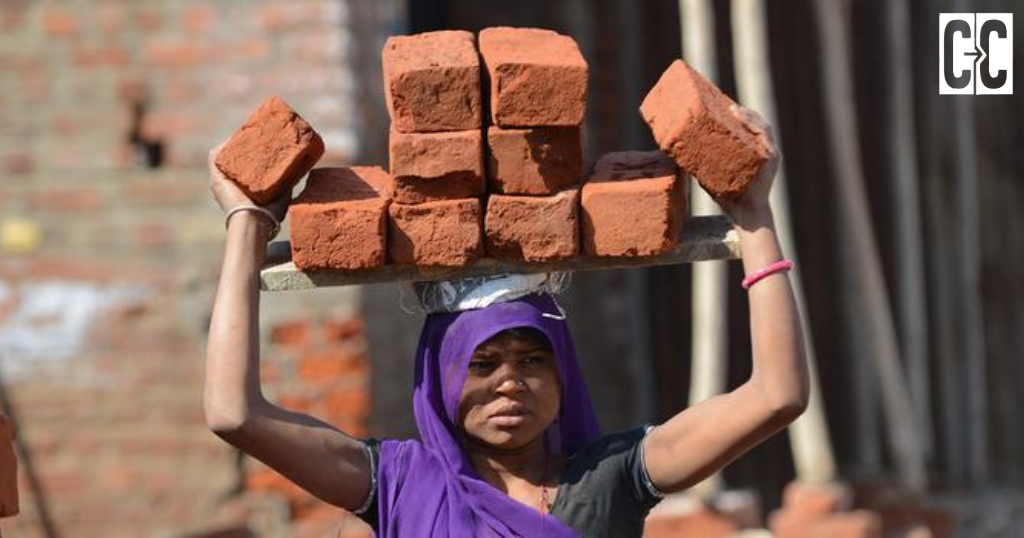
UN Women’s report draws a sharp distinction between outdoor and indoor heat exposure and argues that women absorb both. Men hold most of the heavily exposed outdoor jobs, like construction and agriculture, and record higher rates of heat-related workplace deaths. But women shoulder a disproportionate share of unpaid care work, labour that continues regardless of a heatwave, sometimes stacked on top of a woman farmer’s shift in the field before she returns home to cook over a hot stove. Indoors, women face heat-related health problems from cooking in uncooled homes or working in unventilated garment factories and crowded markets, often with fewer workplace heat protections and less compensation when heat cuts into their productivity.
India’s own data gives this pattern a hard edge. A survey by the MS Swaminathan Research Foundation, covering more than 3,300 women across fifteen districts in seven states, found that 97 percent of respondents reported income losses during the peak summer months of April to June, averaging more than ₹1,500 in lost wages concentrated in agriculture, construction and informal service work. Most of these workers, remain outside formal labour protections; organisations such as the Self-Employed Women’s Association have stepped in with limited income-protection schemes for women in waste recycling, street vending, salt pans and home-based production, but such efforts reach only a fraction of those exposed.
Closing the Gap
UN Women’s prescriptions centre on who gets counted and who gets consulted: gender-disaggregated data on heat vulnerability, support for the Belém Gender Action Plan for climate, and direct investment in women farmers’ resilience rather than treating them as passive victims of risk. India’s own reporting points toward similar, more local demands mandatory tracking of heat-linked income loss by gender, recognition of extreme heat as an occupational hazard under labour law, and Heat Action Plans that name women’s specific vulnerabilities instead of folding them into a generic “vulnerable population” category.
The comparison, in the end, is not really India versus the world. It is the same mechanism playing out at different scales a woman’s body, her unpaid hours, her access to water and shade and a functioning toilet, determining how much of the warming planet she has to personally absorb.
Clear Cut Gender Desk
New Delhi, UPDATED: July 29, 2026 17:30 IST
Written By: Anaina Tomy
Designation: Senior Research Associate at Devinsights