- India generates around 26,000 tonnes of plastic waste every day, with only about 60% currently collected and managed.
- The 2026 Plastic Waste Management Rules strengthen EPR and recycled-content requirements, pushing companies toward genuine recycling and better traceability.
- Successful implementation will depend on stronger recycling infrastructure and greater support for informal waste workers.
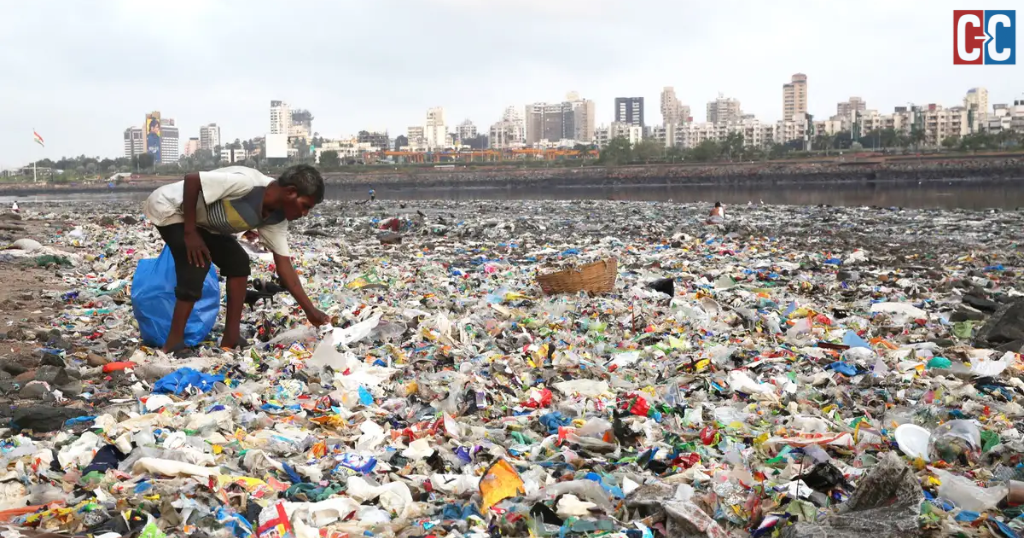
An estimated 26,000 tonnes of plastic waste are generated in India every day, and, at the most current estimates, only about 60% are collected and managed. It then finds its way to dumpsites, landfills, water bodies, and, eventually, oceans. This prompted the Ministry of Environment, Forest and Climate Change in January this year to notify the Plastic Waste Management (Amendment) Rules, 2026 – the latest in a line of increasingly stringent amendments to the original 2016 rules, and officials call it a move from intent to implementation.
What Actually Changed in 2026
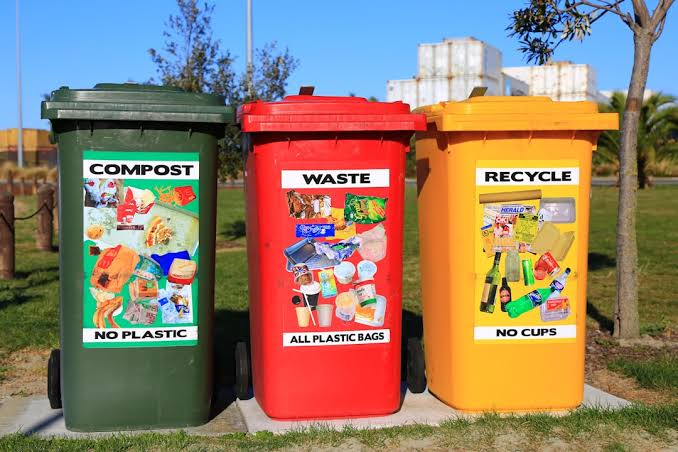
The headline change is a mandatory recycled-content requirement in plastic packaging: for the 2025-26 financial year, rigid plastic packaging classified as Category I must contain at least 30 percent recycled material, a threshold set to rise to 60% by 2028-29. New labeling norms under IS 14534:2023 will require companies to disclose the exact percentage of recycled content on packaging, introducing a level of consumer-facing transparency the sector has previously lacked. Producers, importers, and brand owners are now also restricted from using end-of-life disposal certificates alone to meet their Extended Producer Responsibility targets, a change specifically designed to discourage disposal-based compliance in favour of genuine recycling.
A Compliance Cushion, With Conditions
Recognising the operational difficulty of hitting these targets immediately, the amendment also eases enforcement in one respect: companies that miss their recycling targets for FY 2025-26 will not face immediate penalties, and unfulfilled targets can be carried forward for up to three subsequent years starting FY 2026-27, provided at least 1/3rd of the deficit is cleared each year. It is a calibrated approach, tightening the ultimate requirement while giving industry a realistic runway to build the recycling infrastructure needed actually to meet it.
Digital Traceability as the Enforcement Backbone
The government is also scaling up its central EPR portal, which helps the CPCB monitor and enforce producers’ commitments for the thousands of producers it has registered. From this April, the Central Board of Indirect Taxes and Customs has mandated that proof of EPR compliance be provided when clearing goods through customs for the relevant category, thereby plugging a gaping hole through which non-compliant importers could otherwise escape domestic enforcement measures entirely. Beyond plastics, a widening circle of EPR categories, including paper, glass, metals, and non-ferrous scrap, encompasses household packaging materials.
The Recycling Infrastructure Bottleneck
The success of a recycled-content mandate depends entirely on whether enough high-quality recycled plastic actually exists to meet demand once the requirement becomes binding. Industry analysts expect the rule to drive significant new investment into recycling infrastructure and material-recovery innovation, but until that capacity is built out at scale, the availability and consistent quality of recycled feedstock remain the single largest risk to the rule’s timely and honest implementation, rather than corporate willingness to comply on paper.
The Informal Workforce Behind the Recycling Numbers
Much of India’s existing plastic-collection capacity, the 60 percent that is gathered rather than dumped, runs through informal waste-picker networks that operate largely outside the CPCB’s formal EPR ecosystem. As recycled-content targets rise and formal recyclers compete harder for consistent feedstock, CSR and ESG-linked capital has a meaningful opportunity to formalise and improve conditions for these workers, through fair procurement contracts, safety equipment and cooperative-society support, rather than allowing formal recyclers to out-compete the informal networks that have, for decades, done the bulk of the collection work that keeps India’s plastic-waste numbers from being significantly worse than they already are.
Accountability steps A rule that mandates recycled content but is enforced through carry-forward deficits and self-declared compliance is only as good as the traceability system verifying it. It is precisely where India’s plastic waste framework will be tested over the next 3 years. Corporate CSR and sustainability budgets have an obvious role to play in closing the recycling-infrastructure gap that the rules now depend on, funding material-recovery facilities and informal waste-worker integration programmes rather than only downstream awareness campaigns. Twenty-six thousand tonnes of plastic waste generated daily is not a number that a labeling requirement alone will solve; it requires the recycling capacity to exist before the rule can mean what it says.
Clear Cut Climate Desk
New Delhi, UPDATED: August 25, 2026 09:00 IST
Written By: Tanmay J Urs