
- India’s 2026 waste rules now hold quick-commerce platforms like Blinkit, Zepto, and Swiggy Instamart directly responsible for the packaging waste created through their deliveries under stricter EPR regulations.
- Companies must now track, collect, and recycle the exact amount of waste they generate through verified digital audit systems, with heavy penalties for non-compliance.
- The new rules are pushing the sector toward reusable packaging, circular economy models, and sustainable operations, making environmental responsibility a key business advantage in 2026.
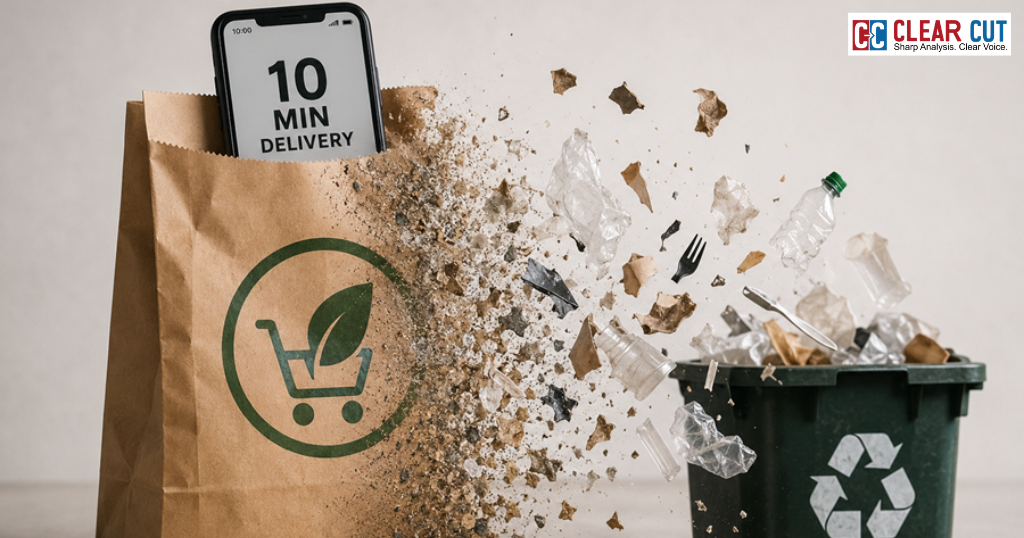
How India’s 2026 Waste Rules are turning delivery apps into waste management giants. For the past few years, the convenience of 10-minute delivery has felt like magic. We tap a screen, and a brown paper bag or a plastic-wrapped bundle of groceries arrives at our door. But for companies like Blinkit, Zepto, and Swiggy Instamart, the ‘magic’ is about to meet a very grounded reality.
India’s updated 2026 waste rules redraw the line for quick-commerce platforms. They are no longer just marketplaces. They are now treated as ‘Brand Owners’ and ‘Bulk Waste Generators.’
That old escape route is gone. Platforms can’t pass packaging waste to vendors and consumers anymore. The responsibility now sits with them — legally and financially — for the waste their deliveries create.
The Burden of the Brand Owner
Why the sudden change? Look at the numbers. Blinkit alone is projected to process over 860 million orders this year. Every one of those orders involves some form of secondary or tertiary packaging. When you multiply that across the entire sector, you’re looking at a mountain of plastic and paper that often ends up in landfills or clogging urban drainage systems.
“Packaging accountability isn’t a Corporate Social Responsibility (CSR) question anymore. It’s a balance sheet question.”
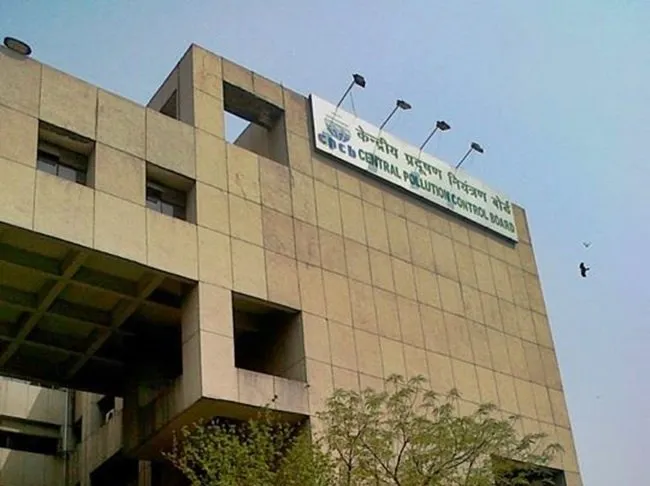
Under the 2026 mandate, these companies must now register with the Central Pollution Control Board (CPCB). This registration is the ‘license to operate’ in the new green economy. Without it, the heavy machinery of delivery fleets could be ground to a legal halt. But registration is just the first step. The real challenge lies in the ‘Extended Producer Responsibility‘ or the EPR.
The New Rules of Engagement
The government is moving away from the era of ‘paper compliance’—the practice of hiring a consultant to sign off on vague recycling goals once a year. Starting now, these companies are required to file half-yearly EPR returns. The first deadline is fast approaching for the April–September 2026 period. As per the guidelines, this reporting must be granular. And it is no longer enough to say, ‘We recycled some plastic.’ The companies must prove, through digital audit trails and verified recyclers, that they are collecting and processing the exact volume of waste they put into the market. Furthermore, there is a strict mandate for ‘recycled content’ in rigid plastic packaging. While the target starts at a manageable level, it is designed to scale rapidly, forcing companies to find innovative ways to reuse materials rather than constantly buying virgin plastic.
Innovation or Extinction?
For some, these rules look like a compliance nightmare. The penalties are steep—up to ₹15 lakh per violation. For a sector that already operates on razor-thin margins, a few major fines could wipe out a quarter’s profits. However, the most forward-thinking leaders in the space are viewing this as a competitive opportunity.
And the shift can be seen in the way business ecosystem is operating. Companies are moving toward a circular model. Returnable crates. Reusable bags handed back at the doorstep. Smarter packaging that cuts waste for small orders.
It can be witnessed that the mood of the market has changed. Growth numbers don’t impress on their own anymore. Investors want to see how clean the operations are.
In 2026, the green premium is not a buzzword. It shows up in decisions. A company that can close its waste loop earns trust. One that cuts corners raises doubts.
The Human Element
At the end of the day, these rules reflect a change in what Indian society expects from its tech giants. We want our milk delivered in ten minutes, but we no longer want the plastic bag it came in to sit in our local park for the next ten years. By turning delivery apps into waste generators, the government is effectively internalizing the cost of convenience.
As we move through 2026, the ‘Clear Cut’ reality is simple. The brands that thrive will be those that realize they aren’t just in the business of delivering goods—they are in the business of managing the entire lifecycle of those goods. The brown bag on your doorstep is now a legal document, and for the giants of quick commerce, there is no turning back.
Clear Cut Climate, Research Desk
New Delhi, UPDATED: May 26, 2026 06:00 IST
Written By: Paresh Kumar