
- Sangham Radio, run entirely by rural Dalit women in Telangana, gives local communities a trusted platform to discuss farming, health, women’s rights and local culture.
- Launched in 2008 after a decade-long struggle for a license, the station reaches around 150 villages but continues to face serious funding challenges.
- Its story highlights how community-led media can empower marginalized voices while showing the need for sustained public and CSR support.
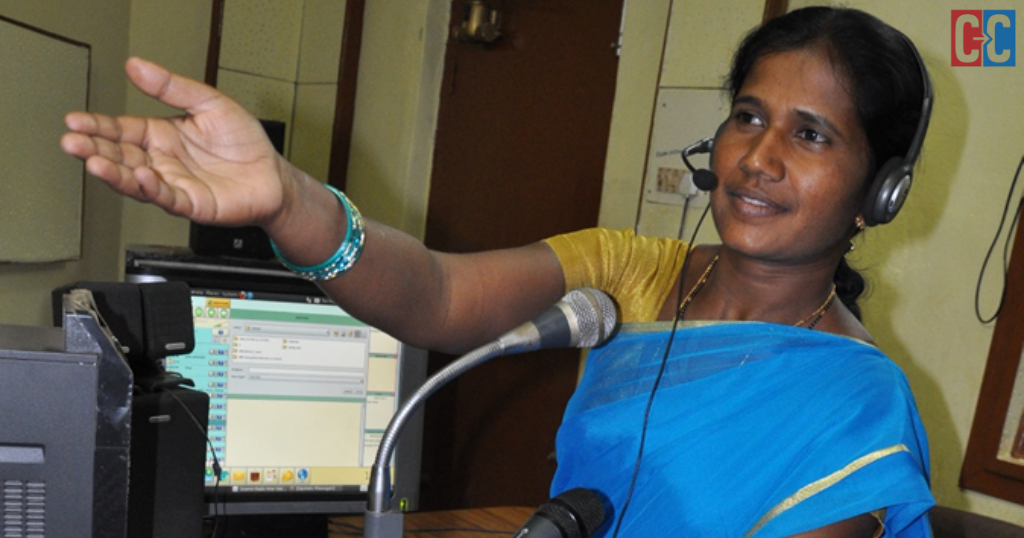
Every evening at seven, in a small village called Machnoor in Telangana’s Sangareddy district, a voice crackles onto the airwaves and reaches close to 150 villages within a 40-kilometre radius. The voice belongs to a Dalit woman who, twenty years ago, would rarely have been asked to speak in public, let alone broadcast to thousands. Sangham Radio, launched officially in 2008, is India’s first community radio station run entirely by rural Dalit women. It began, as its founders like to say, not because someone gave them a microphone, but because they built one out of necessity.
A decade of fighting to get a license
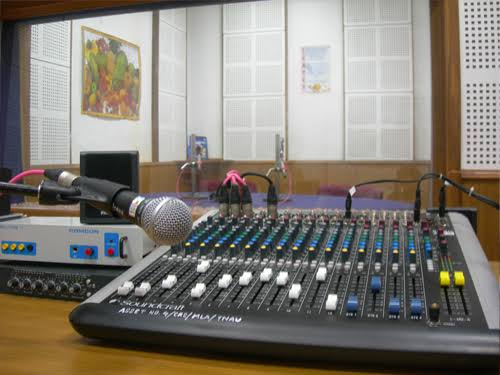
The idea started in 1998, ten years before Sangham Radio actually went on air. Women from the Deccan Development Society, an agricultural cooperative working with Dalit women farmers, began recording programmes on cassette tapes, with no license and no proper equipment. They made 15 copies of every half-hour recording by hand and passed them village to village. It took a decade of pushing before the government granted a broadcast license, and Sangham Radio finally began daily transmission on October 15, 2008.
What goes on the air
The programming is entirely unscripted and covers whatever the community needs to hear: farming techniques, seed sovereignty, women’s rights, health tips, and local folklore that risks disappearing. “We talk about everything, from farming techniques to women’s rights, from local folklore to health tips,” says Algole, one of the station’s longtime producers. Masanagari Narsamma, another of the station’s central figures, adds a simpler reason it works: “We speak because we know our people’s lives. We live their struggles.”
Why outside media never filled the gap
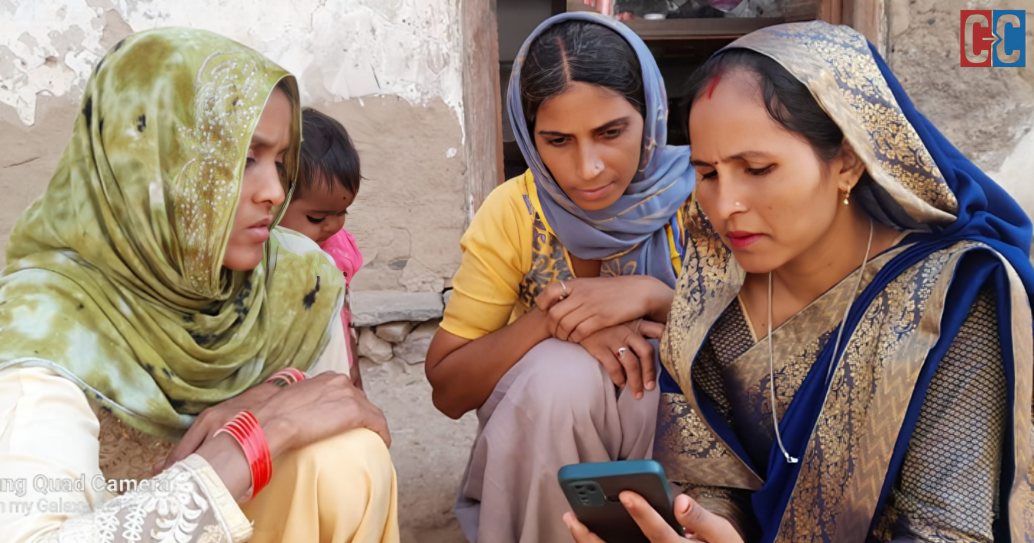
Before the radio existed, journalists and filmmakers occasionally visited these villages, recorded material, and left. Villager Algole Anasuyamma put the problem plainly in a documentary the community made about itself: “If we don’t have our radio and depend upon outsiders, we don’t even know what they record about us. They don’t feed it back to us.” Sangham Radio flipped that arrangement entirely, putting Dalit women in charge of both the questions and the answers.
Two women who do almost everything
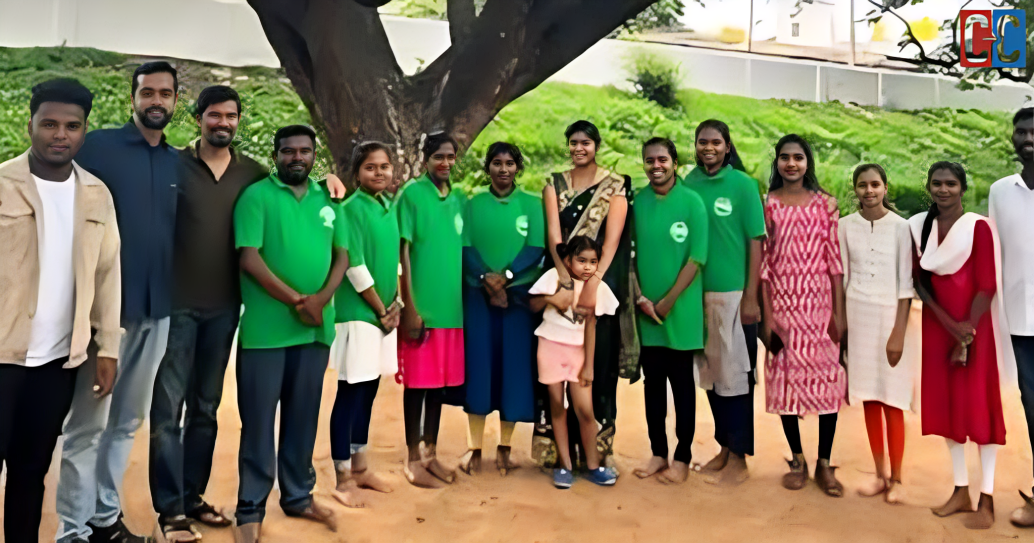
Two names come up again and again in the station’s history: Masanagari Narsamma and Algole Narsamma. Between them, they act as producers, announcers, reporters, and technicians, and when the transmission tower needs fixing, they are the ones who climb it. Naligindla Narsamma, the station’s lead producer, sums up what the work means to the women who built it: “This is not just a radio. It is our voice. We talk about our gods, our food, our problems. Before this, nobody listened.”
A station that keeps almost closing
For all its cultural weight, Sangham Radio has repeatedly come close to going silent. At its 10th anniversary in 2018, the Deccan Development Society said it urgently needed around ₹10 lakh to replace ageing transmitters and pay salaries, and had to crowdsource funds just to stay on air. The station survives on villager contributions of ₹50 a household alongside outside donations, a fragile funding model for something that reaches an estimated 50,000 to 1,00,000 people every evening.
The way forward
Sangham Radio is proof that media built by the people it serves does something outside journalism simply cannot replicate: it earns trust that outsiders never fully get. But proof of concept has never been the problem here, funding has. A radio station that reaches 150 villages a night, run for and by Dalit women who fought a decade for their license, should not be one bad year away from going dark. State community radio policy and CSR media budgets alike should treat stations like Sangham not as a charming case study but as public infrastructure worth a sustained funding line, because the day it goes silent, so does the only channel some of these villages have ever fully trusted.
Clear Cut Gender Desk
New Delhi, UPDATED: August 28, 2026 09:00 IST
Written By: Tanmay J. Urs