
- India’s steel industry is facing pressure from cheap imports, especially from China, leading to dumping and loss of domestic contracts.
- This is hurting local producers like secondary steel units, causing idle capacity and reduced competitiveness despite strong demand.
- Policy tools like SIMS, QCO, and anti-dumping measures exist, but delays and regulatory gaps are limiting their effectiveness.
The Mill That Lost Its Orders
Rajiv Gupta runs a secondary steel processing unit in Raipur, Chhattisgarh. He has been in the business for nineteen years. In 2024-25, he lost two major contracts to a supplier offering steel at prices he simply could not match. The steel his competitor was offering came from China, and it was cheaper not because it was made more efficiently, but because it was being sold below cost in the Indian market. It was, in the specific legal sense, dumping. And it cost Rajiv three months of idle capacity.
His experience is not isolated. An RBI bulletin article in October 2025, authored by Anirban Sanyal and Sanjay Singh, documented how India’s steel sector faced significant headwinds from cheap imports and dumping during 2023-24 and 2024-25. The lower price point from imports led to substitution of domestically produced steel, adversely impacting domestic production even as overall steel demand remained elevated.
The Numbers That Tell the Story
Steel imports into India surged in 2023-24 and 2024-25, driven by Chinese and other Asian surplus. The Ministry of Steel is holding its third Open House in 2026 (April 27) to address unresolved SIMS, SARAL SIMS, and QCO exemption issues from industry. [PIB / Ministry of Steel, April 2026]
The Steel Import Monitoring System (SIMS) was designed to provide advance information about incoming steel shipments, enabling better planning and anti-dumping response. The Quality Control Order framework mandates that imported steel meet Indian standards, this is a provision intended to prevent the flooding of the market with substandard product. Both mechanisms have generated compliance friction that, in some cases, is legitimate and in others reflects genuine regulatory gaps that are burdening downstream users in the automotive, aerospace, telecom, and defence manufacturing sectors.
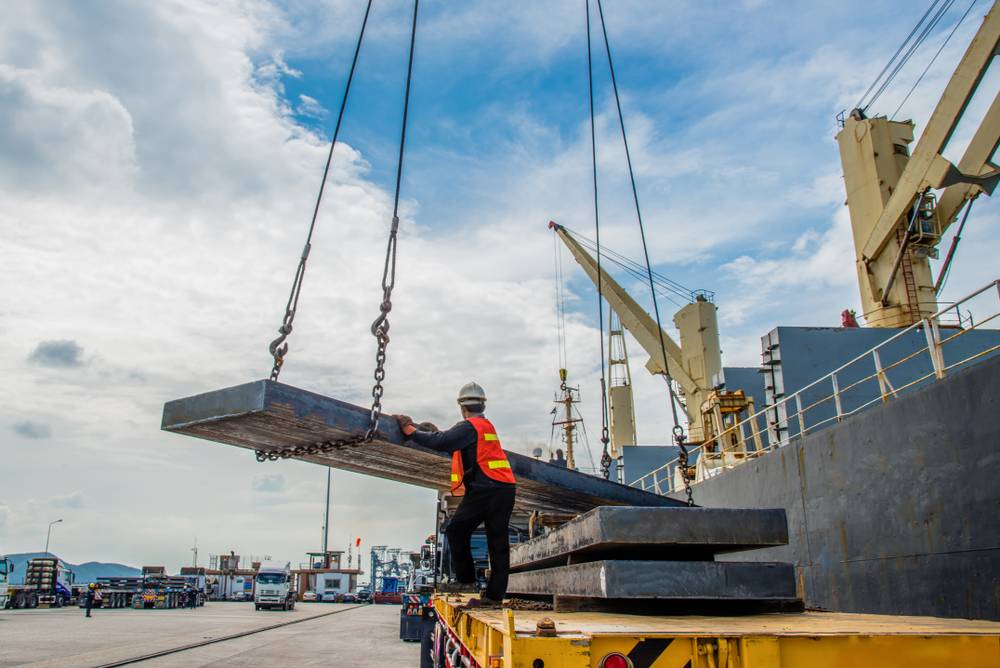
The fact that the Ministry of Steel has now held multiple Open Houses to address import-related concerns reflects the scale and complexity of the problem. This includes the industry representatives from across the steel value chain requiring pre-registered time slots. It is, in the best sense, a consultative governance response. Whether it will produce the structural solutions the industry needs is the question that the April 27, 2026, session must help answer.
The Structural Context: India’s Steel Ambition
India is not a passive actor in the global steel story. India is not a passive actor in the global steel story. It is the world’s second-largest steel producer, with crude steel output of 151.14 million tonnes and finished steel production of 145.30 million tonnes in FY 2024-25, and has committed to reaching 300 million tonnes of installed capacity by 2030-31, according to IBEF and the Ministry of Steel. The government’s PLI 1.0, 1.1, and 1.2 schemes together represent an investment commitment of ₹44,106 crore in specialty steel, guaranteeing direct employment of 33,460 people and incremental production of 14,340 thousand tonnes. PLI 1.2, announced in November 2025, targets investments in coated and wire products with incentive rates of 4-15%.
Import volumes are projected to decline by four times from 2023-24 to 2029-30, while export volumes are expected to more than triple. The green steel transition is also underway: using scrap steel reduces water consumption by 40% and greenhouse gas emissions by 58% versus virgin production. The National Green Hydrogen Mission has awarded 4 pilot projects for hydrogen use in steel production. The Union Budget 2026-27 allocated ₹20,000 crore over five years for CCUS technologies in steel and other industries.
The Policy Demand: Standards With Support, Not Standards Without Redress
The QCO framework must be rigorous, but its exemption process must be fast and transparent. Where genuine gaps exist in domestic supply of specialty grades needed by strategic industries like defence and aerospace, exemptions must be processed within 30 days with clear documentation. The SIMS system must be upgraded for real-time digital processing, reducing administrative friction while supporting the surveillance intent.
Anti-dumping investigations must move faster. The gap between a dumping complaint being filed and a provisional duty being imposed has historically run to 6 to 12 months, long enough for the damage to be done. India must align its trade remedies timeline with its industrial policy ambition.
Conclusion
Rajiv Gupta’s mill in Raipur is not merely a commercial enterprise. It is a node in a domestic supply chain that builds the bridges, the buildings, and the railways that Viksit Bharat requires. When cheap imports idle that mill, they do not merely reduce a profit margin. They erode the industrial base that India is simultaneously trying to build through PLI and Green Steel missions. The Open House on April 27 is a necessary listening exercise. What must follow it are legally enforceable timelines for trade remedy action, faster QCO exemption processing, and a long-term domestic specialty steel development programme that ends the legitimate import dependencies that enable the illegitimate ones. Build the domestic steel sector. Then protect it.
Clear Cut Livelihood Desk
New Delhi, UPDATED: May 21, 2026 09:00 IST
Written By: Tanmay J Urs