Clear Cut Magazine

END-OF-WASTE Beginning of Life: Resilience and Dignity in Anand’s Raviwari Bazar

“solid waste” means and includes solid or semi-solid domestic waste, sanitary waste, commercial waste, institutional waste, catering and market waste and other non residential wastes, street sweepings, silt removed or collected from the surface drains, horticulture waste, agriculture and dairy waste, treated bio-medical waste excluding industrial waste, bio-medical waste and e-waste, battery waste, radio-active waste…
Read More

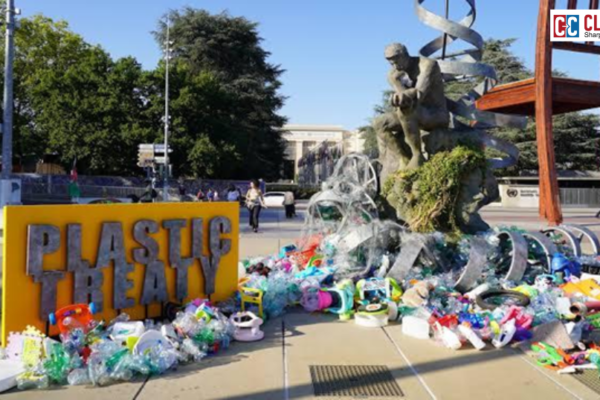
The Plastic Treaty Is Failing in Real Time. The Industry Wrote That Into the Negotiating Text.

The global plastics treaty is at risk of becoming a waste management agreement that ignores the root cause: rising plastic production. Without binding caps, pollution will continue to grow despite improved recycling efforts. What Was Promised and What Is Happening In March 2022, the UN Environment Assembly in Nairobi agreed to negotiate a legally binding…

Read More

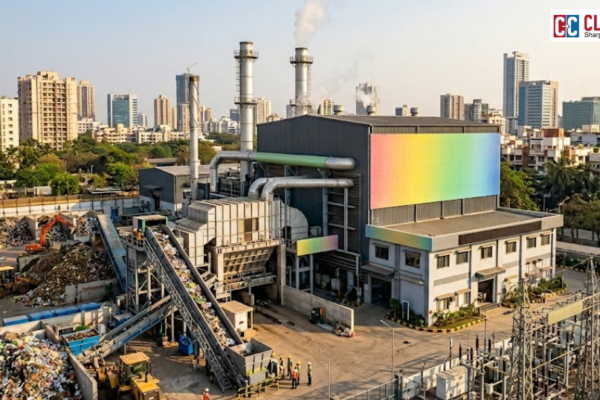
Turning Waste into Watts: The Waste Revolution India Needs

The content highlights how converting organic waste into biogas can address both waste management and energy needs in India. It emphasizes environmental benefits, economic opportunities, and government initiatives supporting sustainable fuel alternatives. Countries all over the world are looking for new, clean, and long-lasting sources of energy because of the rising cost of fuels, pollution,…

Read More

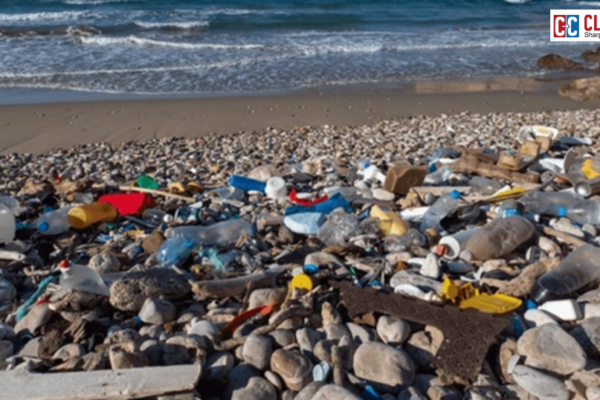
Branded Waste: Why Plastic Pollution Is a Corporate Problem, Not a Consumer One

A global study shows a direct one-to-one link between plastic production and pollution, highlighting that higher corporate output leads to greater environmental damage. It argues for stronger accountability through policies like Extended Producer Responsibility rather than relying on voluntary corporate commitments. Humanity produces more than 400 million tonnes of plastic each year. The majority ends…

Read More

Certified Clean: Assessment Architecture of Urban Sanitation

India’s urban sanitation has shifted from building infrastructure to performance-based governance under Swachh Bharat Mission (Urban) 2.0, using assessments and certifications to ensure accountability. While this improves monitoring and outcomes, challenges like inequality, sustainability, and long-term service delivery still persist. Over the past ten years, India’s urban sanitation system has experienced a dramatic shift from…

Read More