A new WHO report finds that cancer survival increasingly hinges on geography and income, not biology — a pattern India’s own case load, insurance gaps and new prevention push all reflect.
The new World Health Organisation’s first Global Status Report on Cancer 2026 – created with IARC – estimated that 20.6 million cancer cases and 9.7 million cancer deaths took place globally last year. That’s roughly 26,660 deaths every day. Unless much stronger interventions are enacted, the number of global cancer cases is expected to rise to almost 35 million annually by 2050, making the second leading cause of death in the world after heart disease one of the public health’s greatest challenges ahead. But one key point of the new report is less about cancer itself, and more about where you were born, since a greater share of the people dying now do so where they live.
A Widening Global Divide
That gap is real. More than eight in 10 women diagnosed with breast cancer – nearly 87% – survive five years or more in high-income countries, whereas only about four in 10 – less than half – do in low-income nations. Currently, fewer than one-third of countries have integrated a comprehensive cancer care package into their universal health coverage; the percentage of countries with essential cancer medicines available ranges from 9% to 54% in low- and lower-middle-income nations, compared with 68% to 94% in high-income ones.
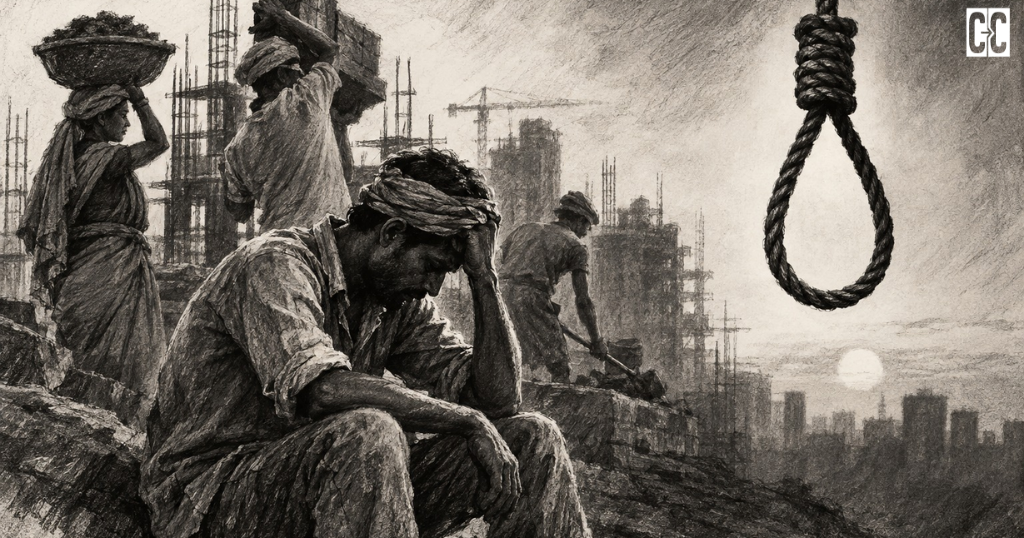
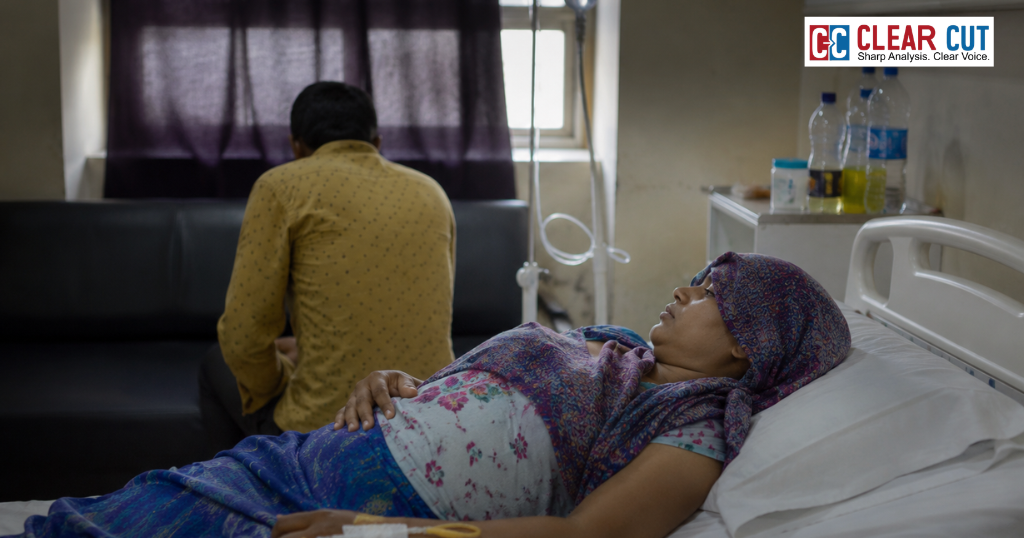
Nearly half of the respondents in the WHO’s first-of-its-kind survey of cancer patients and caregivers said they experience financial distress due to their treatment costs; more than half report having had cancer cause them to develop mental health problems; and virtually all caregivers say they lost their income, faced mental anguish, social isolation, and other adversities.
WHO Director-General Tedros Adhanom Ghebreyesus told an audience that “who survives should never depend on where they were born or what they earn” and noted that cancer inequity “is the result of policy choices, not an inescapable destiny”.
India’s Fault Lines
In India, the patterns have also been marching on parallel fault lines. The estimated number of incident cancer cases in India will grow to 1.57 million in 2025 from 1.39 million in 2020, as cases rise, according to data from the National Cancer Registry Program (a project of the Indian Council of Medical Research). On average, one in ten Indians might have been a cancer patient at least once in their lifetime.
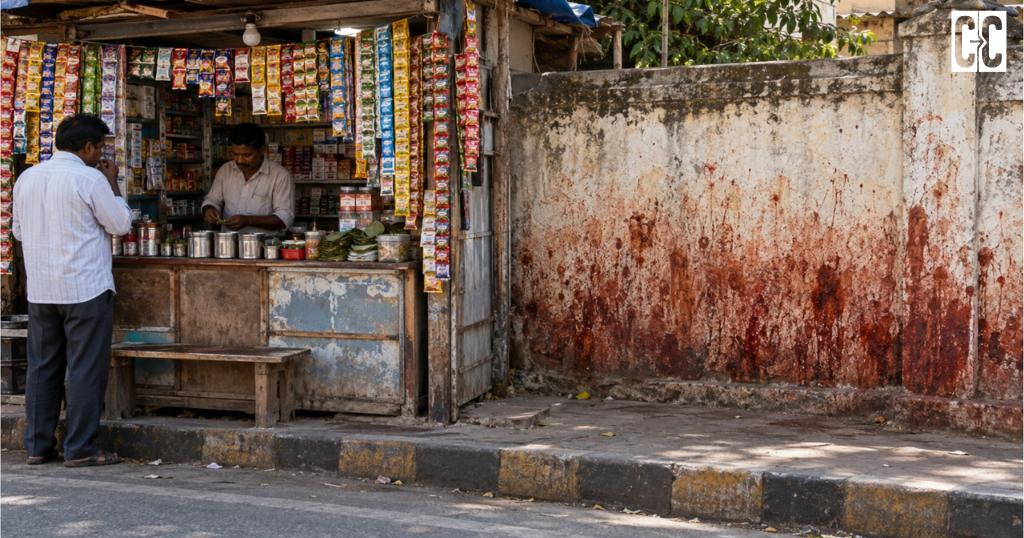
Most frequently found among Indian men, oral cancer is predominantly fueled by tobacco usage; with Mizoram, Nagaland, Meghalaya, Assam, and other North-Eastern states among those exhibiting the highest incidences of tobacco-related cancers globally, this is a localized version of a global divide.
India’s universal healthcare program, Ayushman Bharat-PM Jan Arogya Yojana, covers cashless cancer surgery, chemotherapy, and radiotherapy across more than 28,000 contracted facilities. Recently, a report concluded that insurance has been an important lifeline for patients who couldn’t access care. Nevertheless, treatment only kicks in post-diagnosis: 30% or more of the cost for this type of spending is out-of-pocket on pre-treatment diagnostics and staging. Back then, in its 2025-26 Union budget, it announced it would establish 200-day care cancer centres in district hospitals to bring treatment closer to residents in rural areas and not restrict it to metro cities, as they now travel hundreds of kilometres. In an unrelated study, however, a disparity was pointed out between budget allocations and real-time needs in the country.
Prevention: Where Political Will Outpaces Income
Almost 40% of cancers globally were preventable, the WHO report points out, and cervical cancer, which is caused almost entirely by the human papillomavirus (HPV), was one of the most preventable. India, home to one-fifth of the world’s cases of the disease and one-quarter of its fatalities, has only just introduced HPV vaccination into its Universal Immunization Program in February, offering a single dose to 1.15 crore 14-year-old girls in the country, in contrast to pioneering but localised state-led initiatives in Punjab and Sikkim a decade ago. Even poorer Rwanda had exceeded 90% in the first year of its 2011 campaign, with help from a broad range of schools, faith organizations, and community health workers backing a single push. The example directly supports WHO’s own declaration: “The success factors were at least as much linked to political commitment and to implementation approaches as to a country’s income per capita.”
“It’s not acceptable that we view cancer as too costly to manage, too complex, or too difficult”, said Dr Andr Ilbawi, the WHO team leader on cancer, adding that the experience with other diseases demonstrated that in universal health coverage programs, cancer incidence could be reduced and survival rates improved.
The report’s recommendation has three transitions: capability, resilience, and value, based on integrating cancer into the UHC framework, centering the voices of patients with lived experience, and aligning research with population-level needs, not just market size. In the case of India, whether an upcoming vaccine launch, an upgradation in an existing insurance cover, and a new network of districts deliver the result will depend upon the same variable as identified by the report, worldwide: intention, not income.
Clear Cut Health Desk
New Delhi, UPDATED: July 12, 2026 13:00 IST
Written By: Yatharth Pathak