
- The article examines twelve years of governance through the lens of welfare delivery, digital infrastructure, and public service reforms, highlighting the impact of the JAM Trinity, Direct Benefit Transfer (DBT), and large-scale infrastructure expansion.
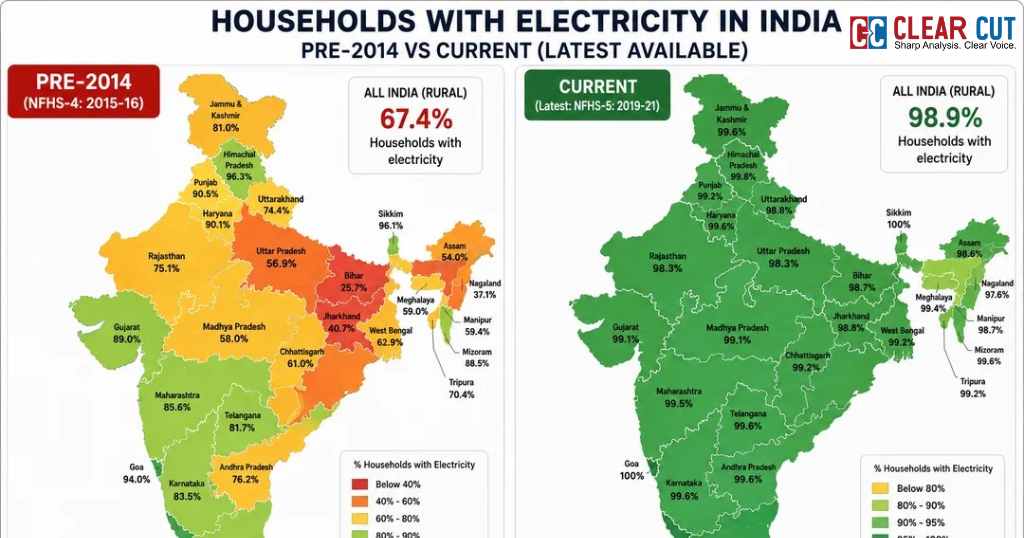
- It acknowledges major achievements in financial inclusion, electrification, sanitation, and connectivity while noting persistent challenges in healthcare access, agricultural income growth, and the widening urban-rural consumption gap.
- Looking ahead, the Viksit Bharat 2047 vision shifts the focus from programme delivery to measurable outcomes in health, education, income, and overall quality of life.
FROM ASPIRATION TO ARCHITECTURE
The PIB release on June 14, 2026 noted a significant political milestone: Prime Minister Narendra Modi became India’s longest-serving elected Prime Minister. World leaders sent congratulatory messages. But beyond the ceremony of milestone-marking, the release carried something more substantive: a statistical ledger of what twelve years of continuous governance had produced and what it had not yet completed.
The framing the government chose is significant: trust, development, and public welfare. These are not rhetorical abstractions. They are measurable outcomes, and the data that has accumulated between May 2014 and June 2026 makes the measurement possible.
| 53 Cr+ Jan Dhan Accounts Opened | 12 Cr+ PM-JAY Families Covered | ~99.9% Villages Electrified | 2.3 Lakh Recognised Startups |
THE JAM TRINITY AND DIRECT BENEFIT TRANSFER
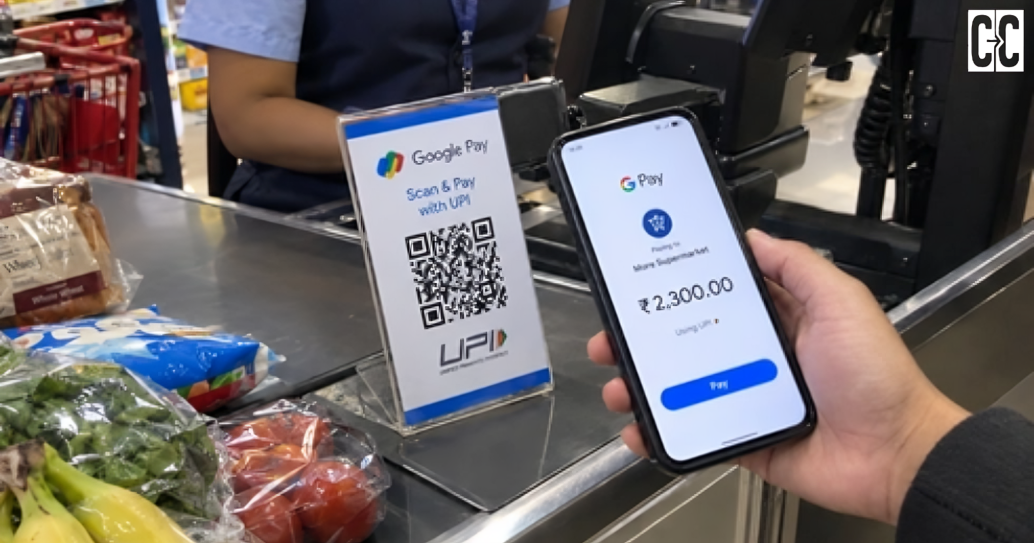
12 years of governance built on a single architectural innovation: the JAM Trinity such as Jan Dhan bank accounts, Aadhaar biometric identity and Mobile connectivity. This infrastructure, largely invisible to urban middle-class users, transformed the relationship between government and citizen for hundreds of millions of people who had never had a bank account or a government-issued identity.
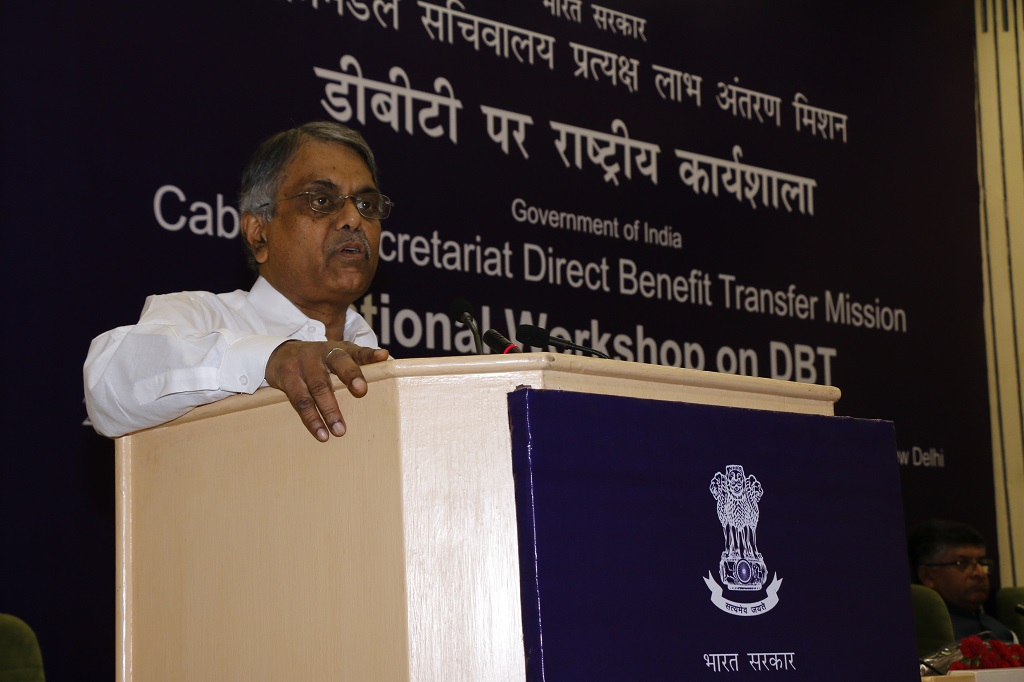
Direct Benefit Transfer (DBT), enabled by JAM, has transferred over Rs 38 lakh crore directly to beneficiaries’ accounts since 2014, eliminating leakage through a transaction chain that previously involved as many as seven intermediary steps. The Ministry of Finance estimates that DBT has saved over Rs 3.48 lakh crore that would otherwise have been lost to duplication and fraud.
THE UNFINISHED LEDGER
12 years is long enough to count what has been built and what hasn’t. Infrastructure investment has been transformational as the National Highway network expanded from 91,287 km (2014) to over 1,60,000 km (2026); railway electrification crossed 95%. The optical fibre reached nearly all gram panchayats through BharatNet. The Swachh Bharat Mission built 12 crore toilets, reversing open defecation at a scale unprecedented in public health history.
But healthcare quality indicators lag. Infant and maternal mortality have improved, but rural healthcare access measured by doctor-to-population ratios at PHCs remains below WHO standards in large parts of central and eastern India. Agricultural income growth, despite higher Minimum Support Prices and PM-KISAN direct transfers, has not matched the pace of urban income growth. The urban-rural consumption gap has widened, not narrowed.
THE 2047 FRAME
The Viksit Bharat 2047 vision the frame through which the government has asked citizens to evaluate the present. A GDP of $30 trillion by 2047. A per-capita income rivalling today’s middle-income countries. Net-zero by 2070. These are bold targets. They require not just twelve more years of effort but fundamentally different productivity, innovation, and institutional quality than the past twelve years produced.
India’s governance transformation over the past decade has been real and measurable. The accountability imperative is to hold the next decade to a higher standard: not delivery of programmes, but delivery of outcomes such as health, education, income, and the quality of individual life. Twelve years have built the system. The next 12 must be judged by what the system produces for the citizen who has never voted for anything but a better life.
Clear Cut Research, Startups Desk
New Delhi, UPDATED: June 19, 2026 05:00 IST
Written By: Tanmay Urs