

- The Digital India Program has transformed India’s digital ecosystem through UPI, BharatNet, DigiLocker, DBT, and digital healthcare, making public services faster, more accessible, and transparent.
- Despite significant progress, challenges such as last-mile connectivity, digital literacy, and inclusive access remain, making equitable digital participation the key focus for the program’s next decade.
Somewhere in a Gram Panchayat office in a district few outsiders could locate on a map, a clerk logs a birth certificate request onto a screen instead of a register. It takes minutes, not weeks. Multiply that moment by hundreds of crores of transactions. You begin to understand why July 1, 2026 †the day the Digital India Program turns eleven †is being described inside government corridors not as an anniversary, but as a hinge point between two eras: one of building digital access, and one of building on it.
Queues to Clicks
The Digital India was launched on July 1, 2015. At the time, India’s digital story was largely urban and aspirational. 11 years on, the numbers now tell a different tale. Our country’s broadband subscriber base has climbed to 106.58 crore as of March 2026. Meanwhile, under BharatNet-1 and BharatNet-2, nearly 2.15 lakh of the targeted 2.22 lakh Gram Panchayats, which is around 97%, now have optical fibre connectivity. Additionally, they now have nearly 7 lakh kilometres of cable laid nationwide. Moreover, the Aadhaar enrolments have crossed 144 crores.
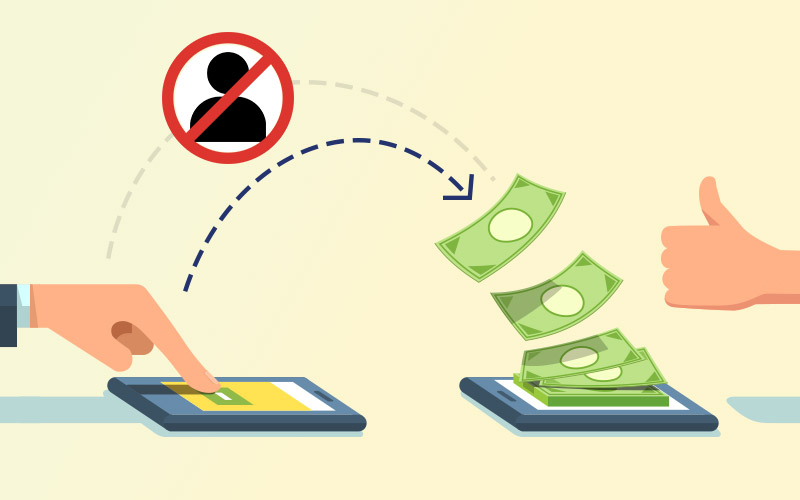
The payments revolution is the headline act. UPI has grown from barely 2 crore transactions in FY17 to over 24,000 crores in FY26. This accounts for roughly 81% of India’s digital payments and approximately half of the world’s real-time digital payment volume. Moreover, UPI has expanded internationally, with its payment infrastructure now operational in 8-9 countries. The Direct Benefit Transfer has transformed welfare delivery by cumulatively transferring rupees 51 lakh crore to more than 176 crore beneficiary accounts. This creates a public welfare infrastructure at a scale that did not exist a decade ago.
Healthcare and Governance, Digitized
India’s Online Registration System (ORS) has facilitated over 1.37 crore hospital appointment bookings. This has reduced waiting times and eased congestion in public hospitals. Meanwhile, eSanjeevani has enabled 48 crore teleconsultations through a network of over 2.3 lakh onboarded healthcare providers as of June 2026. This has extended quality healthcare services for rural and underserved populations. Digi Locker has expanded to 70.69 crore registered users and has issued over 850 crore digital documents. Meanwhile, UMANG has grown from offering 166 government services in 2017 to 2,572 services. This makes a wide range of public services accessible through a single platform. The Government e-Marketplace (GeM) has achieved a gross merchandise value (GMV) exceeding ₹18.4 lakh crore. It has onboarded more than 11 lakh MSMEs to promote transparency, accountability, and greater participation of small businesses in government procurement.
The Uncounted 3%
Despite this monumental growth, several statistics flatter the aggregate and obscure the margin. Roughly 3% of India’s Gram Panchayats remain outside the optical fiber net. This statistic is disproportionately concentrated in hill, tribal, and conflict-affected districts of India, where connectivity is hardest and most needed. The digital economy has helped India become the world’s 2nd-largest mobile phone manufacturer. The electronics production has risen from 1.9 lakh crore in FY 2014-15 to about 12 lakh crores in FY 2025-26. Digital literacy, affordability of data, and the readiness of frontline government staff to serve citizens digitally remain uneven across states.
Accountability Points
The digital platforms must publish district-wise connectivity and functionality data for BharatNet, so that lagging blocks are visible and targeted. The systems need to independently audit the “last-mile” usability of e-governance platforms among elderly, disabled, and non-literate citizens, not just uptime statistics. It needs to ensure grievance redressal timelines on DBT and welfare platforms are tracked and reported publicly. This ensures that digital delivery does not become digital exclusion by another name.
A Vision Worth Finishing
The 1st decade of the Digital India program has shown that large-scale digital transformation is achievable in a country with a population of more than 1.4 billion. The foundational digital infrastructure is established, including a universal digital identity system, real-time digital payment platforms, and integrated digital public services. The 2nd decade of the program begins with an increased focus on AI, semiconductor manufacturing, and next-generation digital infrastructure. The biggest hurdle is to ensure inclusivity and equitable access. The long-term success of Digital India will be measured by its ability to ensure that every citizen can access reliable, affordable, and high-quality digital public services.
Clear Cut Research Desk
New Delhi, UPDATED: August 03, 2026 04:00 IST
Written By: Tanmay URS