
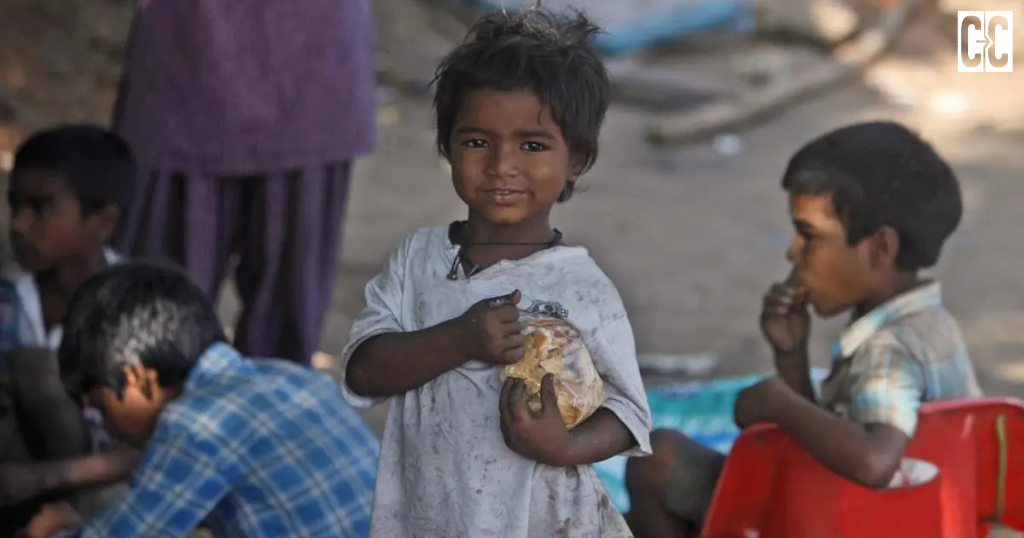
- India has made steady progress in reducing child malnutrition, with NFHS-5 showing declines in stunting, wasting, and underweight children. Government initiatives like Mission Poshan 2.0, the Poshan Tracker, and strengthened Anganwadi services have supported these improvements.
- Despite this progress, high levels of stunting, regional disparities, and the growing challenge of childhood obesity continue to affect child nutrition. Sustained investment, targeted interventions, and equitable implementation are essential for long-term nutritional outcomes.
Child malnutrition remains one of India’s most significant public health challenges despite measurable progress over the past decade. Indicators such as stunting, wasting, and underweight prevalence are widely used to assess the nutritional status of children under 5 years of age. The recent national survey data indicates gradual improvements. However, persistent high levels of malnutrition increase the need for continued policy interventions and equitable implementation across regions.
What the government’s own survey suggests
India has recorded improvements in several key child nutrition indicators compared with NFHS-4 (2015-16), according to the National Family Health Survey-5 (NFHS-5, 2019-21). The prevalence of stunting declined from 38.4% to 35.5%, wasting decreased from 21.0% to 19.3%, and the proportion of underweight children fell from 35.8% to 32.1%. According to the report and the Indian government’s nutrition programs, implemented under Mission Poshan 2.0, malnutrition decreased from 22.9 percent in 2018-19 to 18.7 percent among women aged 15-49 during the same period (2021-22). As of March 31, 2026, around 14.03 lakh Anganwadi Centres (AWCs) and around 8.95 crore beneficiaries are being monitored through the Poshan Tracker (digital platform) in India. Also, 10.58 lakh Anganwadi workers have been trained in Early Child Care and Education (ECCE), and the IT-enabled Home Visit Scheduler, which started on April 1, 2026, facilitates 23 home visits from pregnancy until the child completes 3 years.
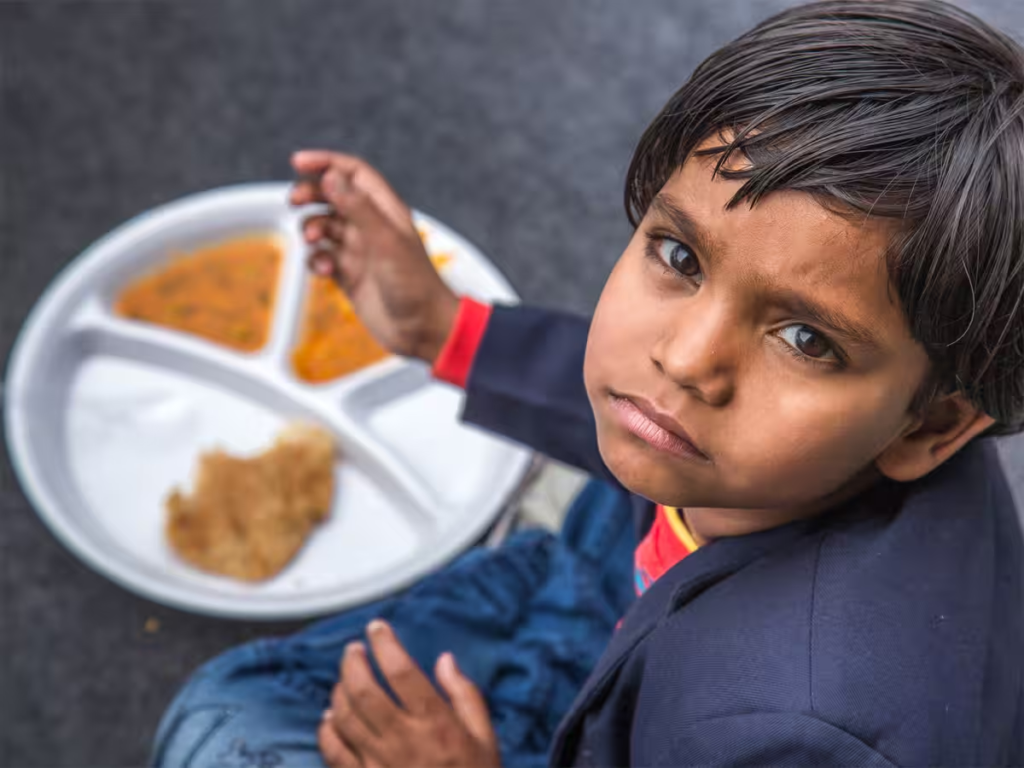
Global assessment and continuing challenges
While overall improvements were observed, India was placed in the 102nd spot among 123 nations in the GHI Report for 2025, with a GHI score of 25.8, which placed it within the “serious” zone. GoI has raised concerns about the methodology of the Global Hunger Index (GHI) report, stating that stunting and wasting are linked to multiple factors, including sanitation, maternal health status, disease profiles, and food utilization. It stated that GHI should not be interpreted solely as indicative of an adequate measure of hunger. It insisted that the issue with child malnutrition persists, with more than one-third of children under 5 with stunted height. This condition could compromise physical growth and health, as well as future potential, including academic development and the ability to work.
Regional disparities
“Malnutrition is not the same phenomenon across the country. Bihar, Jharkhand, Uttar Pradesh, and Madhya Pradesh still show a higher prevalence of undernutrition and stunting than other states. Within the state as well, there is a huge disparity among socio-economic groups.”
The magnitude of malnutrition is greater among children belonging to poorer income families compared to children from richer income strata.
What is more, even the urban environments have begun to show signs of dual malnutrition, where, along with undernourishment, rates of overweight and obesity in children have started to go up.
Strengthening Nutrition Programmes
Improvements in child nutrition require stronger monitoring and targeted interventions. Expanding the public availability of district- and block-level nutrition data will support effective identification of high-burden areas. Investment in the training, capacity building, and supervision of Anganwadi Workers improves service delivery at the community level. Moreover, nutrition programmes address both undernutrition and childhood obesity through growth monitoring, nutrition education, and preventive healthcare services.
Conclusion
While this does not serve as much encouragement in this regard from a global point of view, on the other hand, it offers some scope for comfort as India has clearly emerged as an overall improvement in the case of malnutrition in childhood with the implementation and efficient use of technology to maintain the programs on a large scale. However, this progress has been marked by persistent stunting levels and regional variations, which signal that work remains to be done. Sustainable achievements in child nutrition in India require continuous and enhanced investment in child and maternal nutrition, strengthening of community health service delivery, and an efficient and equitable system for delivering nutrition interventions throughout India. Ultimately, ensuring that every child has her fill during this crucial first millennium of life will support her future and India’s in the long run.
Clear Cut Health Research Desk
New Delhi, UPDATED: August 04, 2026 15:12 IST
Written By: Tanmay J URS