

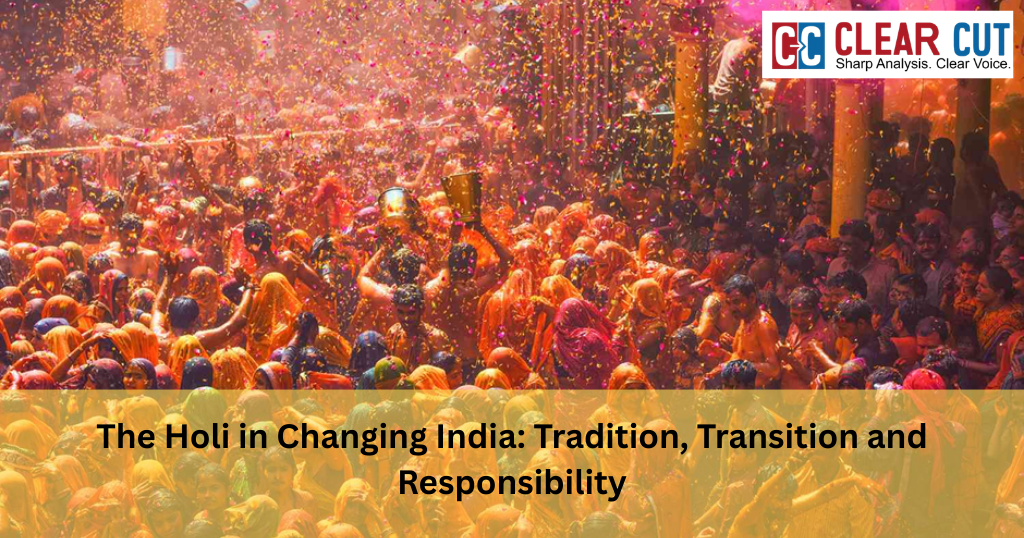
Holi in a changing India reflects the tension between tradition and transition, highlighting concerns about environmental cost, public health, consent and dignity, and economic inequality. The festival’s true spirit lies in celebrating with responsibility, inclusion, and community compassion.
Holi has continuously been one of the happiest festivals in India. It is the beginning of spring, triumph of good over evil, and the assurance of rejuvenation. In towns, villages and cities, individuals come out of their houses to exchange colours, laughter and food. There is a short-lived erosion of hierarchies in everyday life, and happiness is shared. However, as India transforms, the manner in which Holi is celebrated and what it symbolizes is also transforming, albeit silently.
Holi was traditionally based on the community life. It was made with natural colours made of flowers and herbs. There was a shortage of water and even less valuing of it thus brief celebrations were limited and mindful. It was a local, intimate and norm-based festival. Today, the Holi is bigger, more commercial and noisier. Artificially-coloured markets are flooded. Simple gulal is substituted with water guns. The social media take celebration to spectacle. Although these changes are an indication of current lifestyles, they also pose some interesting questions of responsibility.
The most apparent change is the environmental cost of Holi. Polluted streets and polluted water bodies are the result of chemical colours, plastic wrappings, and overuse of water. Such practices have actual implications in a country that already is under water stress and environmental degradation. Rivers and drains find it hard to handle the waste produced during festivals, and the damages seem to be seen only sometimes after the celebrations are over. Previously a symbol of peace with nature, Holi is now a threat to adding to the ecological pressure.
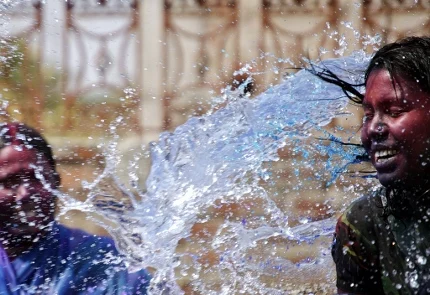
There is also increased concern in the area of public health. Cases of skin allergies, eye infections, and respiratory problems associated with chemical colours are reported in hospitals every year. Children, the aged and those with pre-existing conditions are particularly susceptible. To families that have low access to health care, a minor health problem can turn into a major issue. These facts are compelling us to answer the question whether the well-being should be sacrificed in the name of celebration, and whether the joy can be perceived without caring.
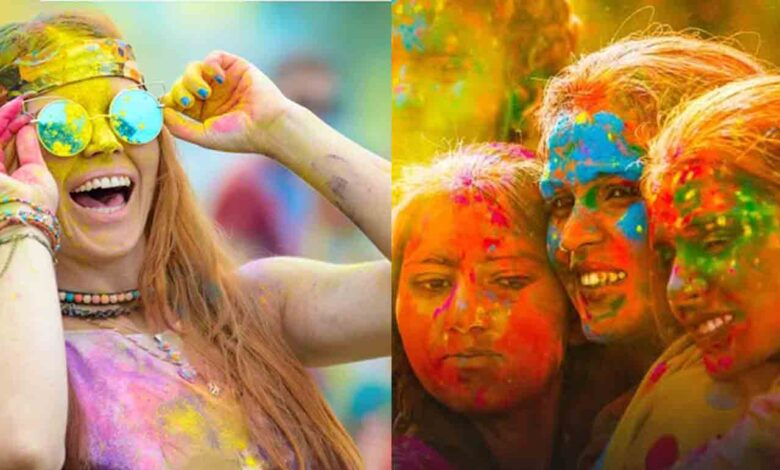
The social fabric of India is also changing and it influences the experience of Holi. Community ties have been distorted by urbanisation. During festive days in the cities, open areas are the places of joy and suffering. The experience of Holi is not always safe and inclusive to many women or those who are marginalised. The term “bura na mano, Holi hai” has been used to justify the boundaries-crossing behaviour. Such attitudes should be reconsidered in a more conscious society that is more concerned with consent and dignity. Personal safety and respect cannot be neglected in celebration.
Simultaneously, Holi still has strong social potential. Community organisations, schools and civil society organisations all across the country are reclaiming the inclusive nature of the festival. Eco-friendly Holi campaigns encourage the use of natural colours and less water. The self-help groups with women form organic gulal, and they make livelihoods with environmental awareness. Safe Holi programs are based on consent, inclusion and community care. Such attempts indicate that tradition and responsibility do not have to be in opposition to each other.
The economic inequality is also reflected in Holi. Some of them feast, whereas some have difficulty in surviving. New food drives, donor activities and community dinners associated with Holi have also risen up in the last few years, reminding us of the fact that celebration and compassion can go hand-in-hand. When the pleasure is communal, it is deeper. Festivals themselves become more relevant when they accept inequality and do not turn a blind eye to it.
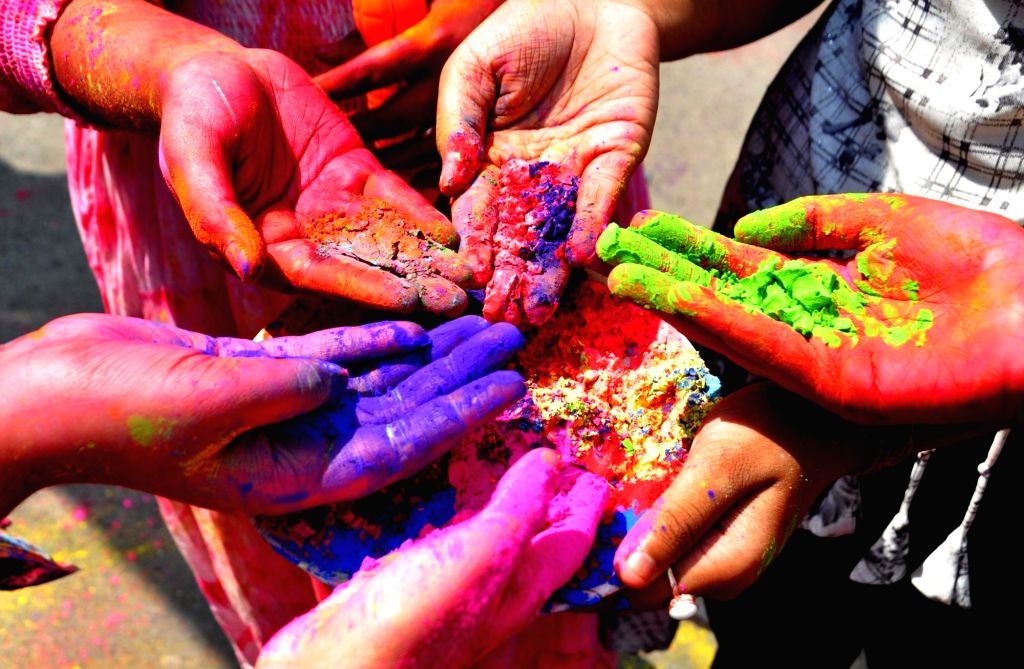
India is at a cross between tradition and transition. Such festivals as Holi reflect such a journey. They remind us of our past selves, and challenge us to think of who we are becoming. Responsibility does not imply reducing happiness. It consists in extending its meaning. It involves partying in a manner that does not cause harm to the environment, is not inclusive of voices and doesn’t jeopardize health and safety.
Holi can continue to be a celebration of colour and connection, a festival in a changing India, provided that we can overcome our tendencies to be mindless, indifferent, and careless. The colours can wear out after a day, yet values we place on celebration influence the society much more than the festival can do. Holi after all is not all about colour. It is concerning our decision to live collectively.
Clear Cut Climate, Education Desk
New Delhi, UPDATED: March 04, 2026 09:00 IST
Written By: Ruchira Das