


- CBSE’s new three-language policy for Classes 6–9, effective from the 2026–27 academic session, has sparked controversy due to its sudden implementation, teacher shortages, and lack of NCFSE-aligned textbooks.
- Political leaders, particularly from Tamil Nadu, have criticized the policy as a form of linguistic imposition, while parents and schools have raised concerns about limited language choices and disruptions to students’ existing language studies.
- The matter has reached the Supreme Court, where petitions challenge the policy on grounds of federalism, language choice, and implementation timelines, with further hearings scheduled for July.
India’s classrooms are in the middle of a storm. The Central Board of Secondary Education (CBSE) has mandated a three-language structure for students from Classes 6 to 9, effective the 2026-27 academic session. Under the revised framework, students must study three languages that are R1, R2, and R3 with at least two being Indian languages.
On May 15, 2026, CBSE announced that from July 1, Class 9 students must study three languages, with the third to be assessed internally and not counted in Class 10 board exams. The policy aligns with the National Education Policy 2020 and the National Curriculum Framework for School Education (NCFSE) 2023, which promote multilingualism in Indian schools,but the rollout has been anything but smooth.
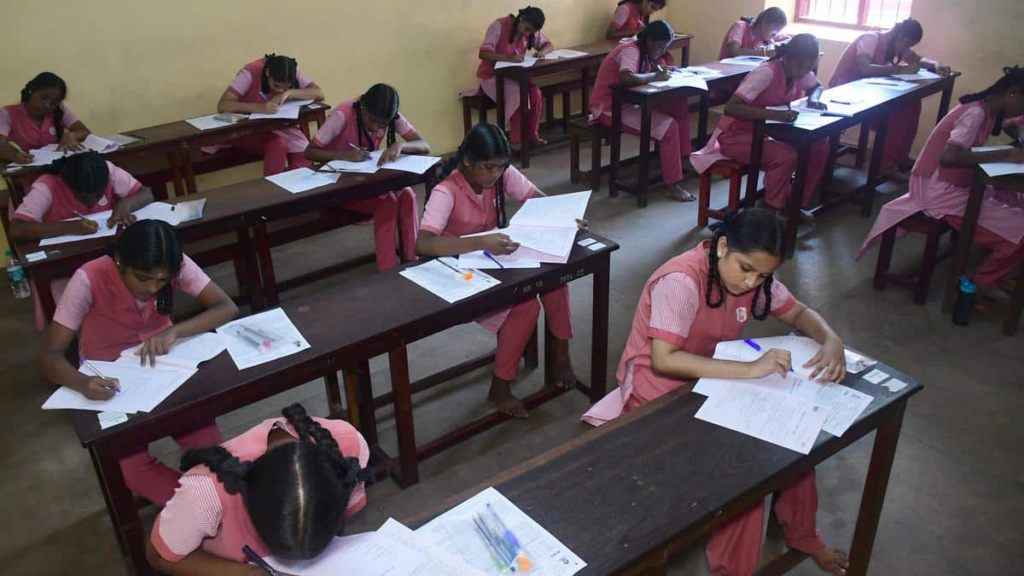
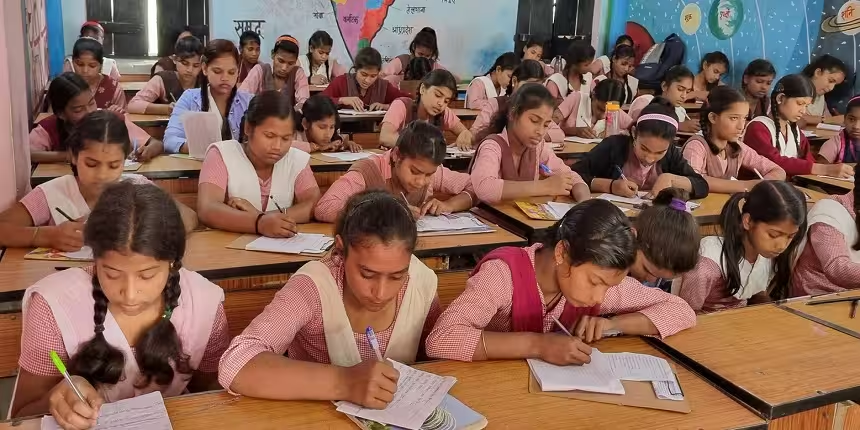
Critics added that school were given a small time to prepare, even as NCFSE-aligned textbooks remain under formulation. The CBSE asked schools to begin teaching using locally available materials in the interim. The abruptness has left principals, parents, and students scrambling. Many schools had no trained teachers, no textbooks, and no plan.
“A Calculated Linguistic Imposition”
The political backlash has been fierce, particularly from southern states. Tamil Nadu Chief Minister M.K. Stalin was among the first to respond publicly.
On X (formerly Twitter), Stalin wrote: “The recently unveiled curriculum framework by the CBSE, aligned with the National Education Policy 2020, is not an innocent academic reform,it is a calculated and deeply concerning attempt at linguistic imposition.”
He questioned whether similar requirements would apply to Hindi-speaking states: “For students in southern states, this translates into compulsory Hindi learning. But will students in northern states be required to learn Tamil, Telugu, Kannada or Malayalam?” he asked, calling the lack of clarity “discriminatory.”
DMK MP Kanimozhi was equally direct. She stated on X: “The CBSE curriculum framework under the National Education Policy 2020 exposes a clear push for Hindi imposition. The phased three-language formula, with compulsory assessment from 2027-28, places an unnecessary and unfair burden on children.” She went further, calling it a “draconian attack” on the languages and cultures of non-Hindi speaking states.
At THE WEEK Tamil Nadu Leadership Summit earlier in March, Kanimozhi rejected the idea that learning Hindi is essential for national integration or employment, asking, “If I applied for a job, would you reject me because I don’t know Hindi?”
Schools and Parents: Caught in the Middle
The disruption extends far beyond political circles. Thousands of families are dealing with a sudden change mid-academic year.
Archana Rani Barnwal, a parent and petitioner in the Supreme Court case, told The Federal that her son had been studying German since Class 4 and was suddenly expected to switch to Sanskrit as the third language. Her case reflects a wider pattern across English-medium private schools in North India.
The CBSE policy treats English, the medium of instruction in many schools, as a “foreign language.” This leaves Sanskrit as the only available R3 option for many private English-medium schools in cities like Delhi and Noida.
Dr. Ameeta Mulla Wattal, Chairperson of DLF Foundation Schools and a former Chairperson of the National Progressive Schools’ Conference, voiced deep concern. She told The Federal that schools had already begun discussions with parents earlier in the academic year, after initial indications suggested the policy would gradually come into effect by 2030. The sudden notification changed the situation entirely.
“With this knee-jerk reaction that has happened, I can very well understand the anxiety,” Wattal said. She also stressed that the CBSE should have conducted workshops and guided schools before rolling out the policy.
Foreign Languages Pushed to the Margins
The policy is also unsettling families who have invested years in foreign language education. Requiring two Indian languages leaves little room for foreign languages like French, German, or Spanish in the core curriculum. Many schools are now moving these to optional or after-school slots, raising fears of declining uptake, reduced global competitiveness, and loss of exchange programme opportunities.
Parents of students with years of investment in foreign language learning are reportedly considering switching boards entirely.
Supreme Court Steps In
The controversy has escalated to the highest court in the land.The Supreme Court bench comprising Chief Justice of India Surya Kant, Justice Joymalya Bagchi, and Justice Vipul M. Pancholi sought a comprehensive response from the Union Government, CBSE, and NCERT on a batch of petitions challenging the policy. The matter is listed for further hearing in the second week of July.
Senior Advocate Mukul Rohatgi, appearing for petitioning parents and teachers, argued that students already studying combinations such as Tamil, English, and French would now be required to add another Indian language, potentially making it necessary for final board certification.
Senior Advocate Kapil Sibal raised constitutional concerns in court. “There are constitutional issues of federalism and of choices. Language is a matter of choice,” he argued.
The petitions challenge CBSE Circular No. Acad-33/2026 dated May 15, 2026, and seek restoration of the earlier policy that had reportedly deferred compulsory implementation until the 2029-30 academic session.
What Comes Next
The outcome of the legal challenge is expected to set a precedent for how CBSE manages curriculum mandates in the future, particularly on the balance between national educational goals and regional linguistic concerns.
CBSE insists no specific language is being mandated and that the policy promotes multilingualism rooted in India’s Constitution. But critics argue that on-ground realities — teacher shortages, absent textbooks, and limited language options — tell a different story.
For now, millions of students, their families, and their teachers wait for clarity.
Clear Cut Education Desk
New Delhi, UPDATED: June 03, 2026 05:00 IST
Written By: Ayushman Meena