India is expanding mental health services through district programs, primary care integration, and Tele-MANAS, but a massive treatment gap still leaves most people without care. Despite progress, limited funding, workforce shortages, and stigma remain major challenges.
India is taking concrete steps to address its growing mental health crisis. The government has expanded its National Mental Health Programme across districts, launched a 24/7 tele-counselling service, and is integrating mental health into primary healthcare for the first time at scale. Union Minister of State for Health and Family Welfare Prataprao Jadhav shared this in a written reply in the Lok Sabha on March 27, 2026.
How Big Is India’s Mental Health Problem
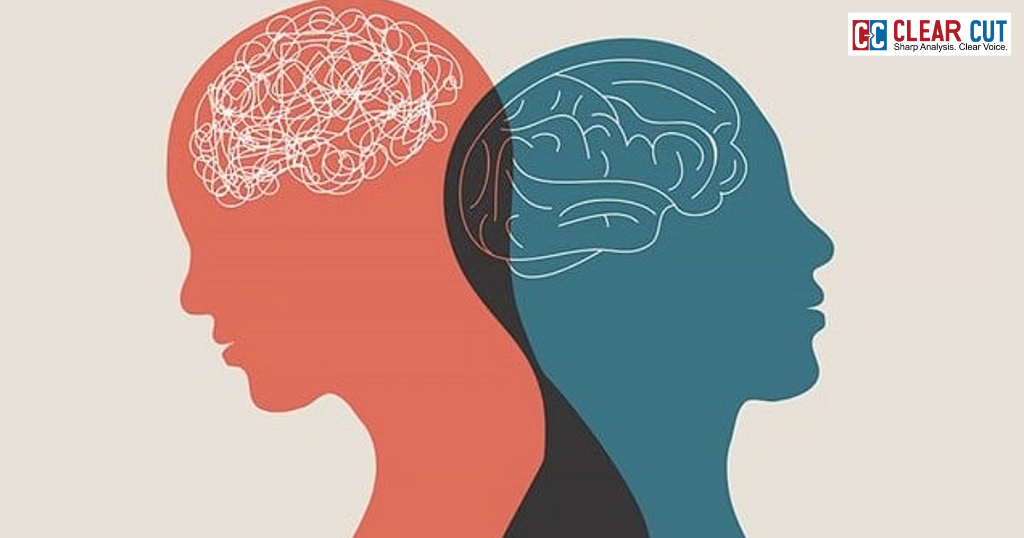
The numbers are hard to ignore. The Global Burden of Disease study found that nearly 197 million Indians, or one in seven, live with some form of mental disorder. Depression and anxiety alone affect more than 90 million people, yet for most, professional support remains out of reach.
The NIMHANS survey found that 70% to 92% of people with mental disorders do not receive proper care, largely due to stigma, lack of awareness, and a shortage of trained professionals. India has only 0.75 psychiatrists per 100,000 people, far below the WHO’s recommended minimum of 3.
Data from the WHO indicates that India’s public expenditure on mental health is less than 1% of its total health budget, creating a vast treatment gap where between 70% and 92% of affected individuals receive no professional help.
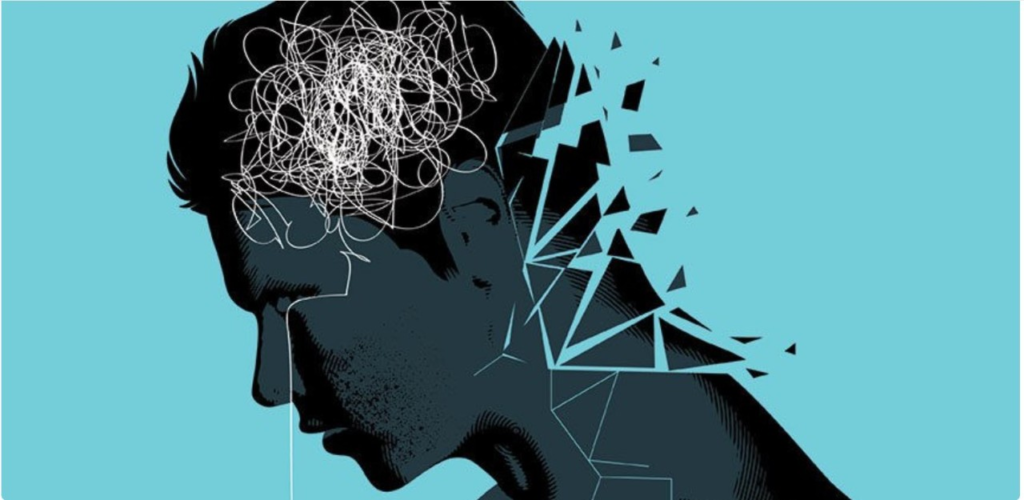
Between 2012 and 2030, mental health conditions are projected to cost India more than $1 trillion in lost productivity.
District Mental Health Programme Now Covers 767 Districts
The government’s primary response is the National Mental Health Programme. Its District Mental Health Programme component has now been sanctioned across 767 districts, with support flowing to states and union territories through the National Health Mission. At the ground level, services include outpatient care, counselling, psychosocial interventions, ambulance services, and a dedicated 10-bed inpatient facility at the district level. The programme reaches people with severe mental disorders who previously had no access to structured care.
Mental Health Is Now Part of Primary Care
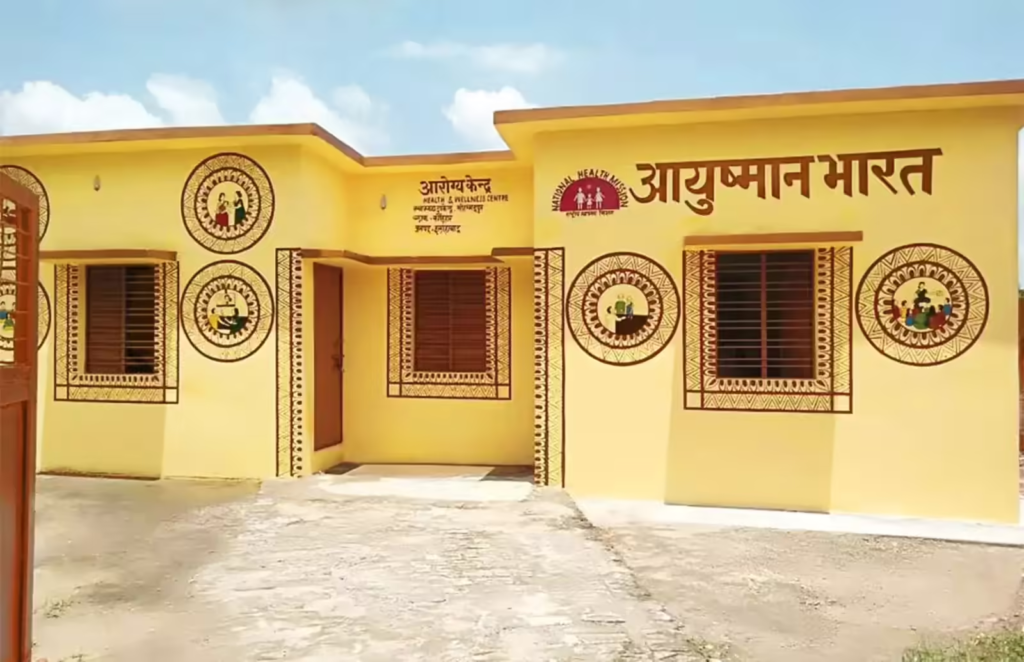
One of the more significant shifts is the integration of mental health into primary healthcare. The government has upgraded more than 1.77 lakh Sub Health Centres and Primary Health Centres to Ayushman Arogya Mandirs. Mental health services now form part of the Comprehensive Primary Health Care package delivered at these centres. Operational guidelines and training manuals for Mental, Neurological, and Substance Use Disorders have been released for healthcare workers across cadres.
According to the Indian Journal of Psychiatry, task-sharing with non-specialist providers, digital platforms such as Tele-MANAS, strengthened District Mental Health Programme services, and integration through Health and Wellness Centres have improved reach but remain fragmented and uneven.
Tele-MANAS Handles 34 Lakh Calls and Counting
The National Tele Mental Health Programme, launched on October 10, 2022, operates as the digital arm of the District Mental Health Programme. It runs on a toll-free number, 14416, and provides round-the-clock counselling. As of March 3, 2026, 36 states and union territories have set up 53 Tele-MANAS Cells. The service is available in 20 languages. More than 34.34 lakh calls have been handled since launch. A mobile application was added on World Mental Health Day in October 2024, and video consultations are now available alongside the existing audio service.
Research published by AIIMS noted that Tele-MANAS has received over one million calls since its 2022 launch and can be expanded from crisis support into a long-term engagement tool through integration of follow-up calls, SMS reminders, and referrals to district-level services.
The WHO has also taken note. WHO Representative to India, Dr. Roderico H. Ofrin, at the October 2024 Tele-MANAS app launch, highlighted the initiative’s potential to enhance mental health outcomes and emphasized the role of Ayushman Arogya Mandirs as a key pillar of India’s public health system.
Building Specialist Capacity at the Top
At the tertiary level, 25 Centres of Excellence have been sanctioned to increase postgraduate intake in mental health specialties and provide high-end treatment facilities. The government has also supported 19 government medical colleges to strengthen 47 postgraduate departments in mental health. India currently operates 47 government-run mental hospitals, including three Central Mental Health Institutions: NIMHANS in Bengaluru, Lokopriya Gopinath Bordoloi Regional Institute of Mental Health in Tezpur, Assam, and the Central Institute of Psychiatry in Ranchi. Mental health services are also available across all AIIMS campuses.
What Still Needs to Change
Progress is real, but the gap remains enormous. India carries one of the world’s highest mental health treatment gaps. Despite the Mental Healthcare Act 2017 and national programme expansions, large proportions of people with common and severe mental disorders remain undiagnosed or untreated.
The Economic Survey 2024-25 underscored that mental wellbeing encompasses mental-emotional, social, cognitive, and physical dimensions and advocated for a whole-of-community approach to addressing mental health challenges, stressing the urgent need for viable, impactful preventive strategies.
India has the infrastructure ambition. What it still needs is sustained funding, a far larger trained workforce, and a cultural shift that makes seeking help normal. The programmes now in place are meaningful. Whether they scale fast enough to meet 197 million people in need is the defining question.
Clear Cut Health Desk
New Delhi, UPDATED: March 31, 2026 05:00 IST
Written By: Ayushman Meena