
India is strengthening mental healthcare through local clinics, primary care integration, and the Tele-MANAS 24/7 helpline. These reforms aim to close the massive treatment gap and make mental health services accessible nationwide.
In the recent years, the Indian government has taken some bold, long-overdue steps to strengthen the mental healthcare system for its citizens. These include expanding village-level clinics for improved access to mental health services & launching a 24/7 helpline for immediate psychological support, driving a much-needed transformation for the country.
The Scale of the Problem
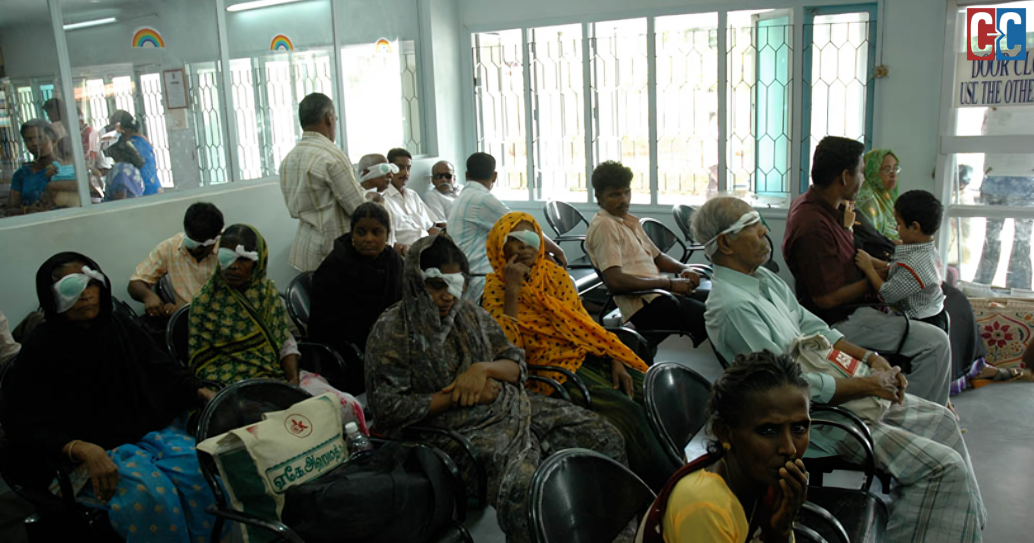
Mental health has been India’s most neglected health crisis. The National Mental Health Survey (NMHS) found, 10.6% of Indian adults lived with mental morbidity, and the treatment gap for mental disorders ranged from 70% to 92%. Millions of people living with depression, anxiety, and psychiatric conditions had little to no access to care, especially outside major cities. For decades, the system leaned heavily on a handful of specialist hospitals, leaving most of the country without meaningful support.
That is now changing. The Ministry of Health and Family Welfare recently outlined a broad set of measures under the National Mental Health Programme (NMHP). The details, shared in a written reply in the Lok Sabha reveal, both the scale of the investment and the distance still left to cover.
Bringing Care Closer to Home
The District Mental Health Programme (DMHP) is the foundation of this effort. It has been sanctioned for rollout across 767 districts. The funding has been channelled to States and UTs through the National Health Mission. CHCs and PHCs now include services such as outpatient care, psychosocial counselling, psychiatric drug supply, outreach, and ambulance services. A 10-bed in-patient facility is also provisioned at the district level. This kind of localised and structured access is a meaningful shift, for a country where mental illness was long treated as a family secret, rather than a medical condition.
Mental Health Enters Everyday Healthcare

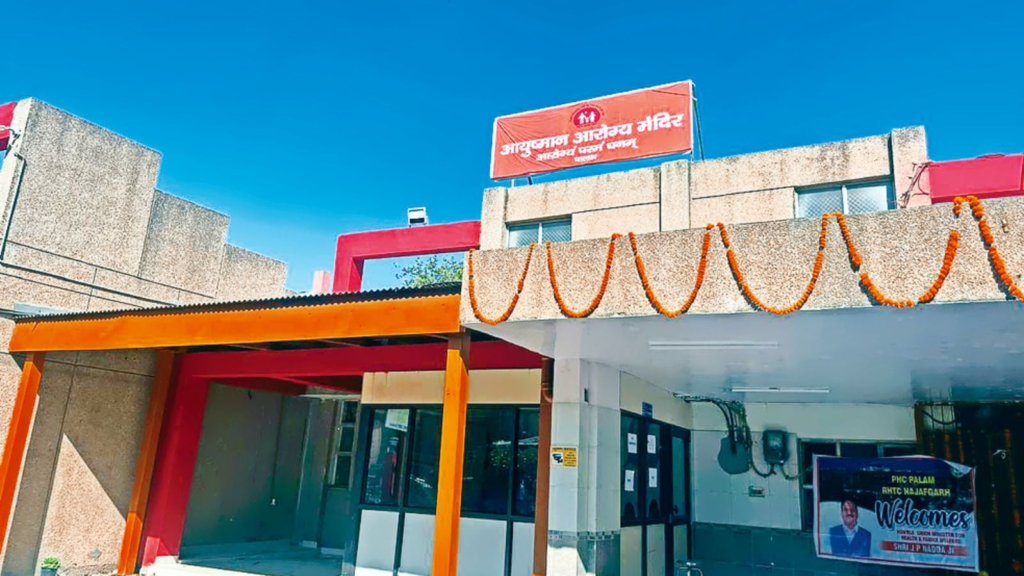
The more structural change lies in primary care integration. The government has upgraded over 1.77 lakh SHCs and PHCs into Ayushman Arogya Mandirs. Mental health services are now officially included in their care packages. Operational guidelines and training manuals have been released under Ayushman Bharat Network for Mental, Neurological, and substance use disorders. This matters more than it might seem. The primary care is where most people first seek help. Getting mental health into that conversation early could quietly change outcomes at a population level.
Training the Next Generation of Specialists
At the specialist end, 25 Centres of Excellence have been sanctioned to expand postgraduate enrolment in mental health disciplines and provide advanced treatment facilities. The government supported 19 medical colleges to strengthen, 47 PG departments in mental health specialties. India currently has one psychiatrist per 200,000 people, that is far below global benchmarks. There are 47 government-run mental hospitals across the country, including 3 Central Mental Health Institutions such as NIMHANS in Bengaluru, LGB Regional Institute in Tezpur, and Central Institute of Psychiatry in Ranchi. Mental health services are also available at all AIIMS campuses. These investments, if carried through, are a step toward closing a gap that has widened for decades.
A Helpline That Actually Works
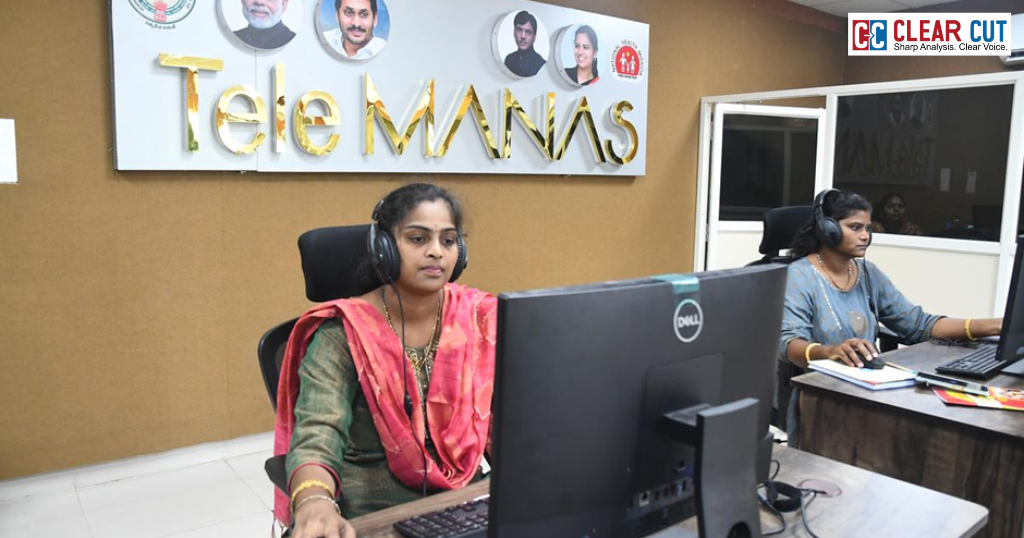
The National Tele Mental Health Programme (NTMHP) was launched on October 10, 2022. It operates through a toll-free number 14416, offering round-the-clock counselling services. As of March 2026, 36 States and UTs have set up 53 Tele MANAS Cells, available in 20 different Indian languages. More than 34.34 lakh calls have been handled since inception. On World Mental Health Day 2024, the government also launched the Tele-MANAS Mobile Application, a platform covering everything from general well-being to active psychiatric conditions, with a video consultation feature added as an upgrade to the earlier audio-only service.
A Policy Direction Worth Watching
India’s mental health agenda is growing to be incremental and structural. What is emerging is not a set of isolated changes, it is the blueprint of a system designed to match the scale of the mental health crisis. District-level access, integration into primary care, expansion of the specialist workforce, and a multilingual digital helpline, signal a shift from fragmented care to a coordinated national response. The alignment of infrastructure, technology, and policy intent suggests a transition that could redefine access to mental healthcare at scale.
For decades, mental health remained peripheral to policy imagination. That centre of gravity is now shifting. If implementation sustains momentum, India stands at the threshold of transforming mental healthcare from a neglected concern into a foundational pillar of public health.
References
https://www.pib.gov.in/PressReleasePage.aspx?PRID=2245967®=3&lang=2
https://www.mohfw.gov.in/?q=en/pressrelease-287
Clear Cut Health Desk
New Delhi, UPDATED: April 02, 2026 01:00 IST
Written By: Tanmay J Urs