- BALCO’s Vedanta Skill School has trained over 15,000 rural youth and maintained an 83% placement rate in formal jobs.
- The programme offers free residential vocational training in trades like welding, hospitality, electrical work, and mobile repair.
- Through the Mor Jal Mor Maati initiative, nearly 1,000 farmers shifted to groundnut farming and increased their income significantly.
- The CSR model is widely recognized for improving livelihoods in Chhattisgarh, while also raising questions around mining and tribal rights.
The Numbers from Korba
Earlier this week, India CSR shared a fresh, detailed update on BALCO’s Vedanta Skill School, bringing in data up to FY2025-26. Since its launch in 2011, the school has helped more than 15,000 young people leave uncertainty behind and start solid, respectable careers. Just in the last year, over 1,200 trainees passed through the programme 83 percent of them landed jobs, with placements stretching across 12 Indian states.
Vedanta runs three schools: Korba, Kabirdham, and Surguja. Each offers free residential vocational training in trades like welding, fitting, hospitality, sewing machine operation, solar PV technology, mobile repair, and electrical work. All of the programmes line up with National Skill Development Corporation standards. As for jobs—graduates have joined employers such as Foxconn, Welspun, Crompton Greaves, Adani, and Volvo Eicher, according to BALCO’s own data.
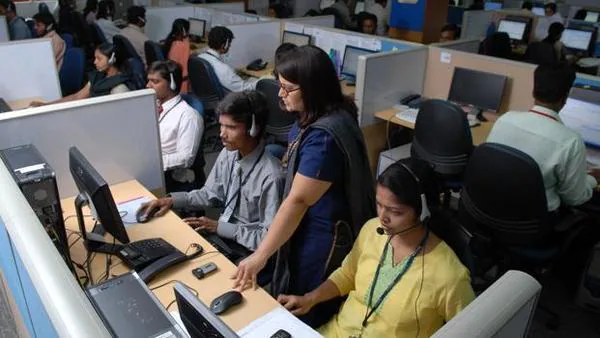
Geography matters here. In Korba, over 60 percent of young people still work in traditional, unstable, low-income jobs. Most of BALCO’s footprint lies in Chhattisgarh’s tribal districts, where formal jobs for youth especially those from tribal communities have historically been limited to agriculture, minor forest Produce, or casual construction work. It’s a fragile foundation. Vedanta’s programme is nudging these same young people into formal employment, with provident fund contributions, fixed salaries, and legal protections. Their 83 percent placement rate isn’t a one-off; it has held steady for years, making it one of the best in India’s corporate skilling efforts. The residential model pulls down major barriers for rural youth transport and housing that day-only programmes just don’t solve.
All this didn’t go unnoticed: India CSR reports that the programme earned the ICC Social Impact Award 2026 for Excellence in Skilling—a nod from the industry itself.
The Agriculture Story That Runs Alongside
This skilling push is the most visible part of BALCO’s work in Chhattisgarh, but it’s not the only one. The Mor Jal Mor Maati initiative, now well into its third phase, takes a very different approach and one that’s arguably more structural. Here’s what’s changed: BALCO has steadily moved Korba’s farmers away from water-heavy paddy to groundnut as a cash crop. Not long ago, only about 50 farmers dabbled in groundnut; today, it’s nearly 1,000, and they’re getting average yields between 8 and 10 quintals per acre. The shift means each acre can now bring in Rs 45,000 to Rs 55,000 in extra income. Over the last year alone, 470 families directly benefited. Nearly 200 other farmers saw the results in neighboring fields and decided to make the switch.
How has this happened? BALCO handed out improved seeds, fertilizers, and on-ground technical advice, think proper line sowing, seed treatment, and right-sized nutrition. The Korba Krushak Unnayan Producer Company Limited, a Farmer Producer Organisation created through the programme, now handles input and output centers, so farmers finally have market access. This isn’t a side gig or parallel system: Mor Jal Mor Maati actually connects farmers to government schemes like Pradhan Mantri Krishi Sinchayee Yojana and the Chhattisgarh State Saur Sujla Scheme. Farmers who used to be on the outside are now able to tap public systems and that’s a big deal.
This is the test for good CSR livelihood programmes: they don’t just drop in their own solutions, but help communities access government support for the long run. When a farmer joins existing irrigation or agri-development schemes through BALCO, the benefits can last far beyond the life of any single CSR project.
The Question the Model Raises
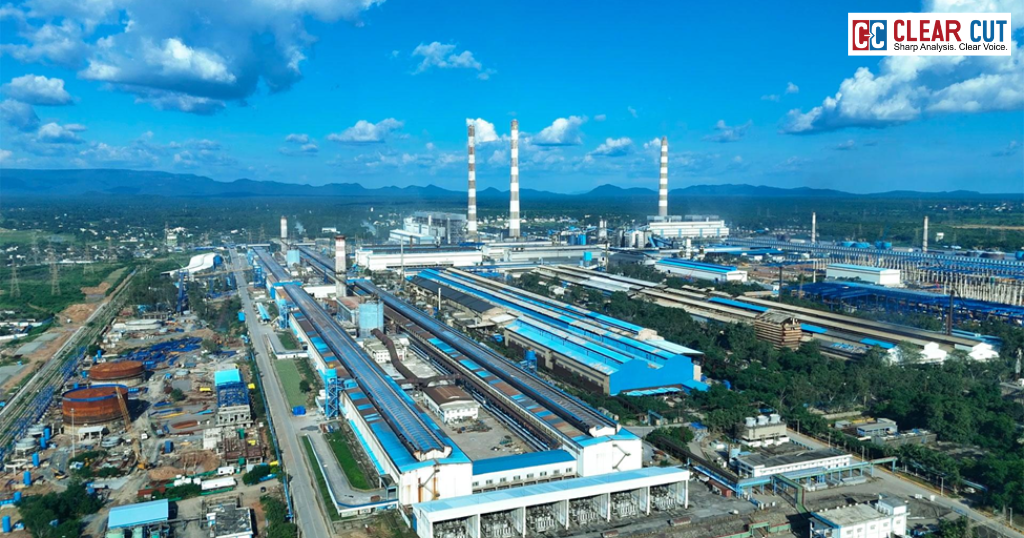
BALCO touches the lives of about 1.5 lakh people in 123 villages across four districts. Their skilling, agriculture, women’s empowerment, healthcare, and infrastructure programmes aren’t one-offs or scattered efforts; they’re sustained and interconnected. The recognition the model has drawn, both in India and abroad, speaks for itself. It’s proof of what long-term, consistent corporate social investment in one place by a company with real stakes in local stability can achieve.
But let’s not ignore the harder truth: BALCO is an aluminium smelter. It operates in one of India’s richest mineral belts and also one of its most socially deprived regions. The tribal communities in Korba, Surguja, and Kabirdham live close to the mining that funds BALCO, and the CSR support they get is paid for by those same mining revenues. Meanwhile, implementation of the Forest Rights Act in Chhattisgarh is far from complete, just as in most tribal areas across the country. Has the community truly been consulted about, or shared fairly in, the wealth extracted from their lands? Impressive placement numbers from the Vedanta Skill School don’t on their own answer that.

Holding both facts together, the authentic achievements of these programmes and the deeper structural questions raised by the context doesn’t make for a contradiction. It just fills out the actual story.
Conclusion
Fifteen thousand youth from rural Chhattisgarh placed in formal jobs. A thousand farmers making Rs 45,000 to Rs 55,000 per acre for a crop they’d mostly never tried before. Over fifteen years, an aluminium company has built one of India’s strongest rural livelihoods CSR models which is recognized nationally. The data back it up, and the approach can be copied elsewhere. But here’s the thing: it’s still the exception, not the rule, in the extractive industry’s CSR playbook. That’s the uncomfortable question that prizes and certificates quietly sidestep.
Clear Cut CSR, Livelihood Desk
New Delhi, UPDATED: May 15, 2026 09:00 IST
Written By: Janmojaya Barik