
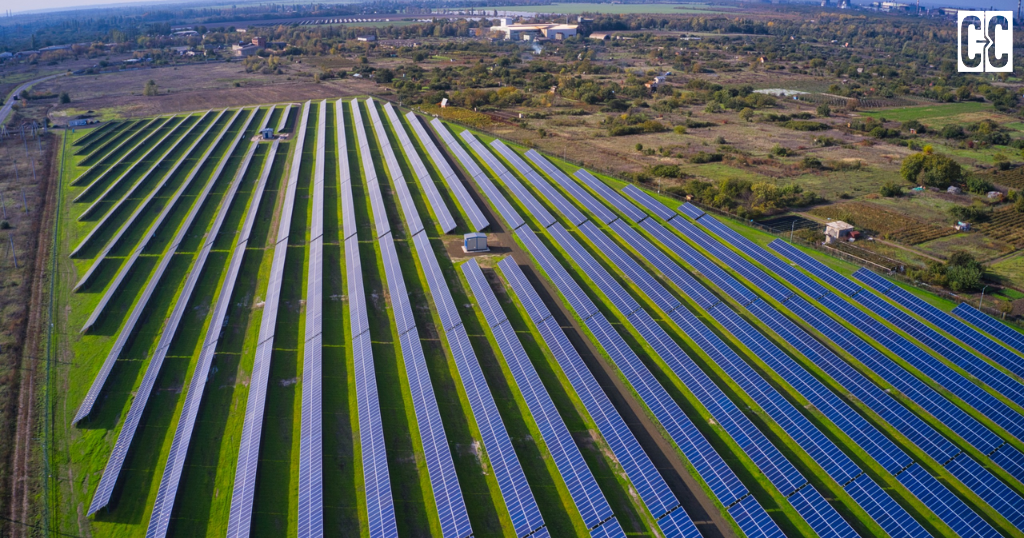
- India is strengthening its power grid by expanding renewable energy, battery storage, smart meters, and transmission networks to meet rapidly growing electricity demand.
- While electricity access and reliability have improved significantly, challenges such as financially weak power distribution companies, coal dependence, and rising summer demand continue to shape India’s energy transition.
The electricity demand in India is growing more rapidly than in any other large economy. As capacity in solar and wind grows, the task for the Indian government is no longer about generating energy but about creating infrastructure to deliver it to every household and factory.
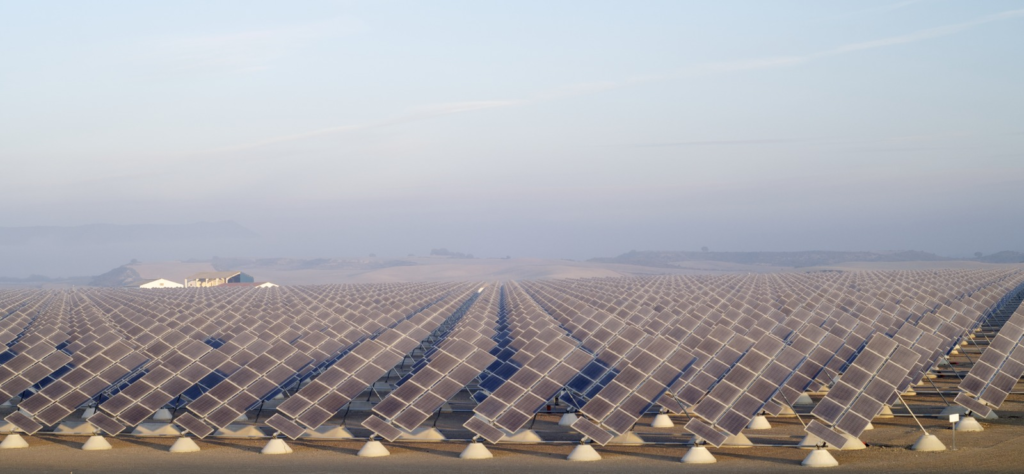
The electricity grid in India recorded a new high on 21 May 2026, with 270.8 gigawatts (GW) drawn from it at 3:45 pm, as early-summer heat waves prompted air conditioning to work harder than usual across the country. Of the peak, 60 GW was generated by solar power alone – more than one-quarter of the peak demand in that hour, as per the International Energy Agency (IEA).
Why reliable electricity matters
Electricity reliability has ceased to be a background issue for utilities. It forms the basis for factory production, hospital operations, distance learning over the Internet, financial transactions, and even the growing fleet of electric vehicles. According to the IEA, electricity consumption in India is expected to increase at around 6.4% per year until 2030 – one of the highest among large economies – with almost one-fifth of the increase driven by the rising need for cooling through air conditioning.
A transforming generation and transmission mix
The Indian power sector has undergone rapid structural changes. As reported by the Ministry of Power, the nation increased its non-fossil fuel energy capacity by 55,225 MW and its fossil fuel capacity by 9,470 MW during 2025-26, in addition to building 12,139 circuit kilometers of transmission lines. In June 2025, India met its target of producing 50% of its installed capacity from non-fossil fuels, five years ahead of its 2030 climate goal under the Paris Agreement.
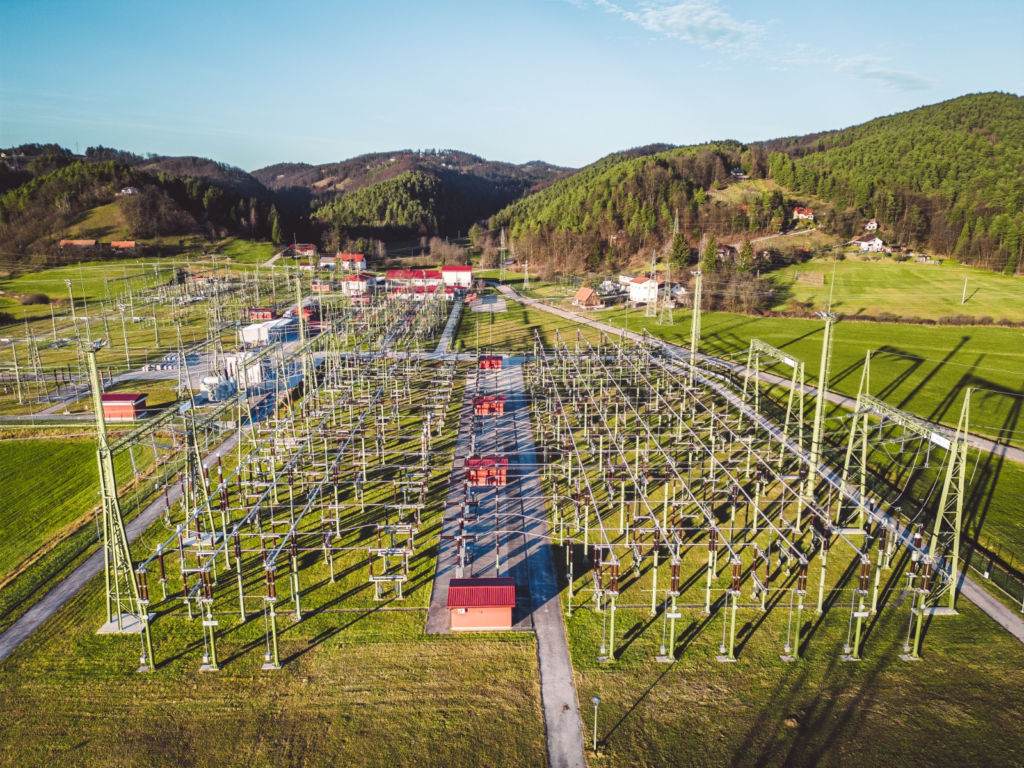
However, the increased capacity of both energy sources has its own issues: sunlight and wind do not depend on demand. According to the Ministry of Power’s plan, renewables will be paired with storage – big batteries that would store excess electricity generated during the day and use it at night. Government officials have assumed around 47 GW of Battery Energy Storage Systems (BESS) until 2031-32, along with a roadmap of 100 GW of pumped-storage hydro plants until 2035-36 – both operating in the same way, but instead of batteries, they use water that is lifted to a height and then released to generate electricity through release. To finance this project, the Centre has sanctioned viability-gap funding of ₹5,400 crore in June 2025 for the addition of 30 gigawatt-hours of battery storage, in addition to an existing ₹3,760-crore program. “Green Energy Corridors,” or transmission lines that carry renewable energy from wind and solar farms to consumer centres, are being expanded with central assistance.
Modernizing the wires that reach consumers
Enhancements in generation and transmission mean nothing if there is any loss or inefficiency in the transmission from the source to the consumer end. The Revamped Distribution Sector Scheme (RDSS), initiated in July 2021, has approved work worth ₹1.53 lakh crore on losses and work worth ₹1.31 lakh crore on smart metering, which would cover more than 20 crore smart meters throughout the country; the last government account has already installed 7.24 crore smart meters.
This is evident from the figures. There has been a decline in all-India transmission and distribution losses from 21.91% in fiscal year 21 to 15.04% in fiscal year 25. Distribution companies across the country, which have long been criticized for being financially weak, made a profit of 2,701 crores in FY25 for the first time since the Electricity Act came into force in 2003. Daily average power availability has increased from 12.5 hours in rural areas in FY2015 to 22.6 hours in FY2025.
The unfinished business
However, despite this development, there are still some threats. Most state distribution companies continue to struggle financially despite overall profits due to state losses. Coal continues to be the primary source of power generation despite the rise of renewable power, as solar and wind remain inconsistent and storage technology is still developing. As indicated by the IEA, there has been a significant increase in unmet power demand in the northern regions during summer 2026, even as the country’s national power grid continued to expand.
A grid built for the next decade
As a whole, these measures reflect a redefinition of “energy transition” in India. It is not limited to increasing the installed base of solar and wind capacity – it means guaranteeing the reliability, affordability, and resilience of electricity reaching a factory, hospital, or home, despite changes in the underlying energy source and the digitalization of the grid system.
Clear Cut Climate Desk
New Delhi, UPDATED: August 06, 2026 09:00 IST
Written By: Dr. Jyoti Aggarwal
Designation: Senior Research Associate at Devinsights