- Jal Jeevan Mission has expanded rural tap water coverage to 81.6%.
- Reliable water supply remains a challenge despite widespread tap installation.
- Safe drinking water improves health, saves lives, and reduces the burden on women.
- Water quality, maintenance, and local governance need stronger attention.
- The Mission’s success now depends on delivering consistent water, not just installing taps.
There is a version of this story told entirely in percentages, which is genuinely remarkable. From 16.7% of rural households with a functional tap connection in August 2019 to over 81.6% as of early 2026. Additionally, there is a second version, told by a 2024 government-commissioned functionality survey, which is more sobering. Only about 83% of households actually received water through those taps, only once every 7 days. Both versions are true, and India’s next phase of water policy has to be built around reconciling them.
Progress under the Jal Jeevan mission
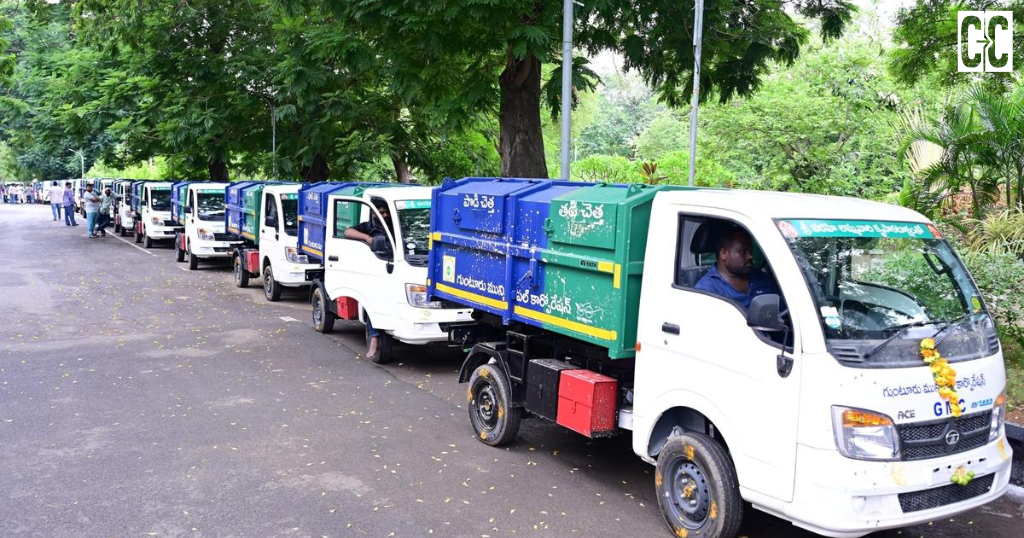
The Mission to provide a universal tap water supply to all rural households in India was launched by the Government of India on August 15, 2019. It resulted in a rise in rural household coverage to more than 81.6 percent – or over 15.79 crore households by early 2026, compared with 16.7 percent of households in August 2019. In total, more than 12.55 crore new tap water connections were made, utilizing Rs 2.08 lakh crore – a substantial portion of the funds has been used to provide tap water to rural India. While 11 states and union territories, including Goa, Gujarat, Haryana, Telangana, Punjab, have achieved 100 percent of the coverage for rural households’ tap water, the Union Budget 2026-27 has provided an amount of Rs 67,670 crore for the Jal Jeevan Mission and extended its timeline up to December 2028.
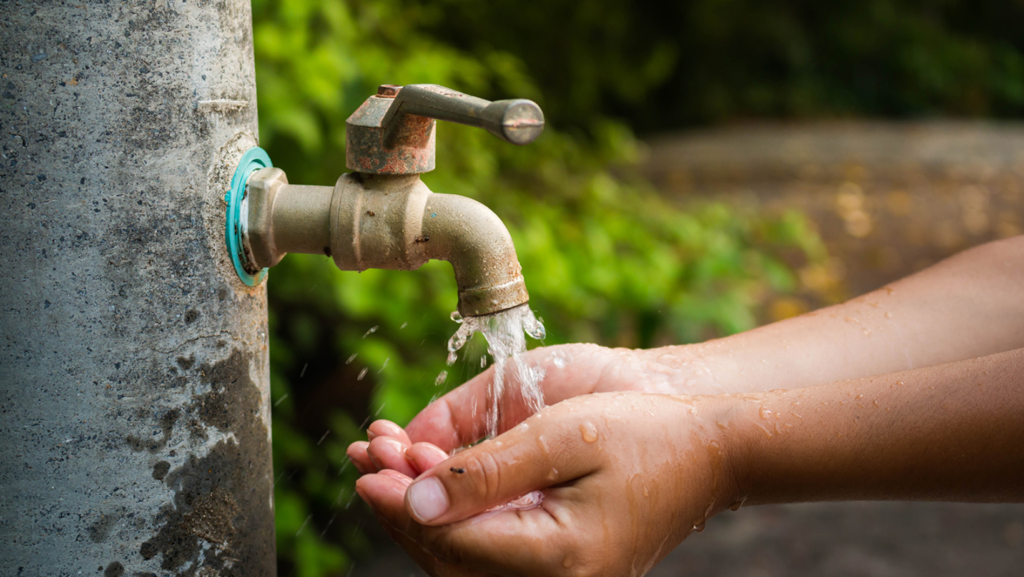
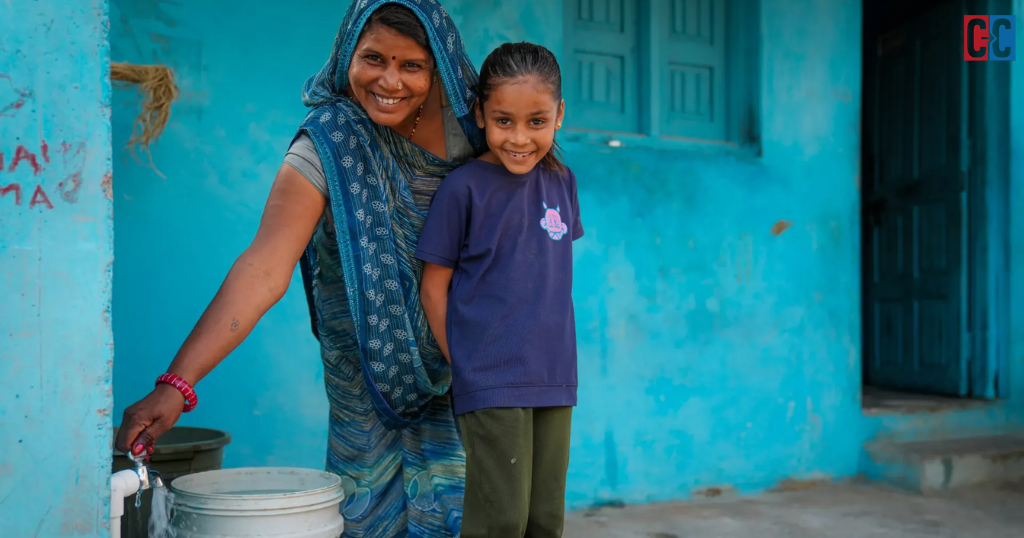
The human impact is significant, too. According to the WHO, “Safe water access in rural India could save over 4 lakh lives each year from diarrheal disease.” It also means avoiding over 14 million Disability-Adjusted Life Years, implying health cost savings of up to 8.2 lakh crore. “Work by Nobel Laureate Michael Kremer’s indicates that safe water access alone could reduce U-5 mortality by almost30%,” adds SBI Research and suggests: “Another change – 9 crore women do not need to traverse the morning’s path fetching water – saves valuable time for education, employment, or rest.
Challenges in service delivery
Easy access to rural taps does not guarantees their proper functioning. 83% of people get their water supply through tap connections at least once a week, according to the Functionality Assessment Survey 2024. Even access to taps does not guarantee a supply, with some village households suffering from intermittency, periodic dryness, and Fluoride contamination, as well as arsenic and other quality issues. 2.66 lakh+ villages are declared to be 100% covered by the Mission, and about 1.74 lakh villages are formally verified.
Programme sustainability
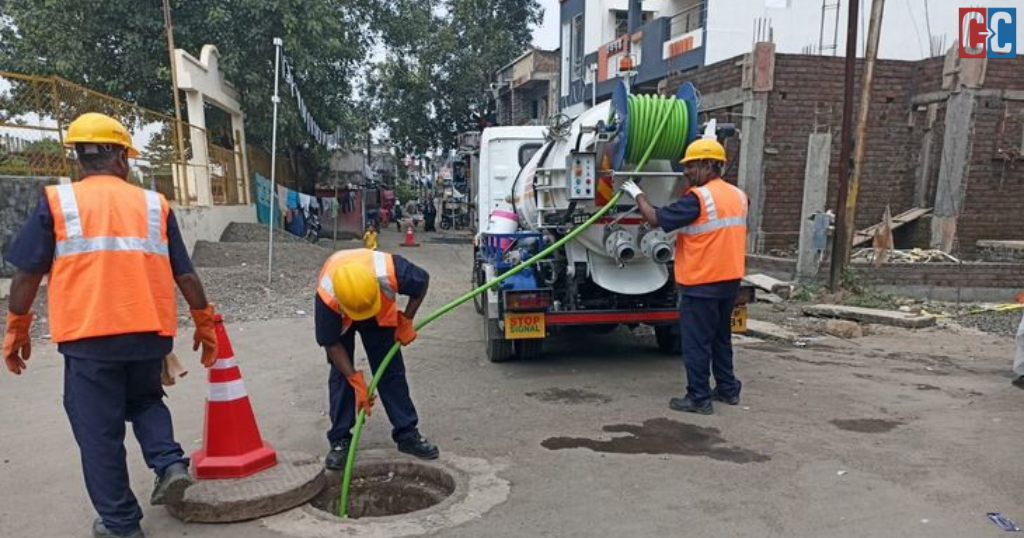
Scaling up infrastructure is key to the sustained success of the Jal Jeevan Mission and to providing sustained, uninterrupted service. Monitoring of water service delivery operations, water quality reporting data, and laboratory test results from accredited laboratories is a must. Capacity building of Gram panchayats, including Village Water and Sanitation Committees (VWSCs), by strengthening their finances and capacity, will enable them to support rural water supply in maintenance, operation, and sustainability for years to come.
Conclusion
The Jal Jeevan Mission stands among the most genuinely transformative infrastructure programmes undertaken by independent India. Pipes, after all, do not care about political cycles, and neither does a mother who no longer has to walk 2 kilometres before sunrise. Yet, the difference between a tap that is installed and a tap that reliably runs is both an infrastructure statistic and an improvement in dignity and health. As the Mission enters its final stretch toward 2028, the goal must shift decisively toward ensuring consistency because the Jal Jeevan Mission has not served a family that watches a dry tap every morning. It has only been counted by it.
Clear Cut WASH Desk
New Delhi, UPDATED: August 05, 2026 17:00 IST
Written By: Tanmay J Urs