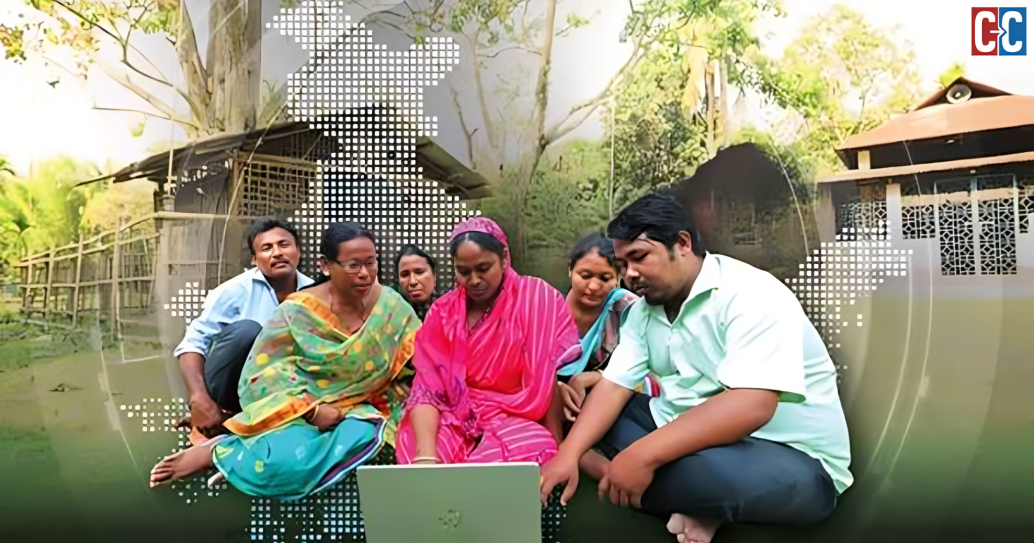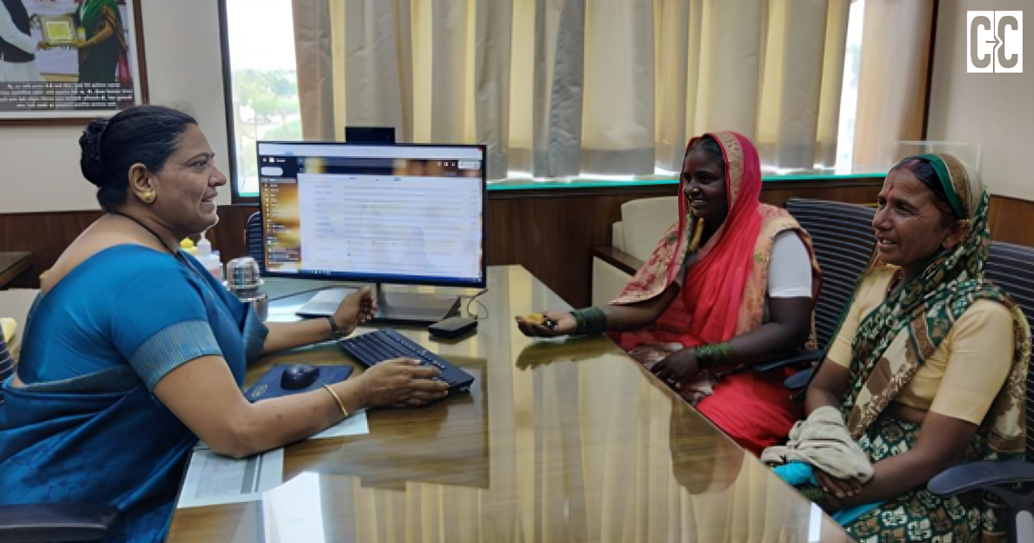
India marks May Day 2026 with strong labour laws on paper, but most workers—especially in the gig economy—remain without real protections. As platform work grows, the gap between rights and reality continues to widen, highlighting deep inequalities in the modern labour system.
India marks International Workers’ Day on May 1, 2026, with the usual routine: trade union marches, government speeches, politicians dusting off statements on the value of labor. Maharashtra and Gujarat, two states with their own formation days, tack on an extra layer to the holiday. It’s a moment loaded with history. The first May Day here happened in Chennai in 1923, pulled together by Malayapuram Singaravelu Chettiar from the Labour Kisan Party. He raised the red flag and demanded an eight-hour workday. Fast forward 103 years, and India’s labor law says the right words about eight-hour days. Whether those laws live up to reality depends entirely on who you ask.
Roughly 10% of India’s workforce holds formal sector jobs. For them, the eight-hour workday, social security, provident funds, employee state insurance, and the right to organize aren’t just slogans, they’re written into law. Even if enforcement is patchy, the protections exist. For the other 90% of the tea pickers in Assam, builders in Gurugram, delivery riders all over the map the protections are mostly paper promises. Every government source, including the Ministry of Labour, agrees: informal workers are nearly all on their own.
You can point to Article 21 of the Constitution, which ties the right to life with the right to a livelihood. The Supreme Court has said it clearly in its judgments. Yet, the gulf between that constitutional ideal and the daily working reality for most especially for India’s gig workers remains wide. And every year on May Day we remember that gap, and maybe even try to bridge it with hope.
The rise of the gig economy isn’t a sideshow. The data, ILO figures and recent analysis show gig work jumping from about 7.7 million in 2020–21 to 12 million by this year. By the end of the decade, the number may double. These aren’t workers hiding in the shadows. They bring you food, drive your taxis, clean your homes, shuffle your e-commerce returns. Platforms call them “partners,” not employees, stripping them of most legal protections, no matter how tightly the company controls their time, routes, or livelihood.
And this classification isn’t a quirk, it’s the heart of how platform companies make money. As Nick Srnicek points out, platforms externalize employment costs: fair wages, social security, health insurance, paid leave as these become the worker’s problem. In India’s weak enforcement landscape, gig work is a trapdoor through which millions fall without rights.
In theory, India’s Supreme Court already has the tools to challenge this setup. Their test: who holds real control over how the work gets done? In platform work, algorithms prescribe every step. Courts haven’t taken this head-on, though, so the workers keep delivering.
About those new labor laws Parliament passed four Labour Codes between 2019 and 2020, promising to cover wages, industrial relations, social security, and occupational safety. These Codes aim to make compliance easier, widen protections, and bring unorganized workers under the legal umbrella. But they haven’t taken effect. Each state must frame its own rules, and in the states where organized labor is strongest, that rule-making has been slow, uneven, sometimes deadlocked.
We end up with the shell of modern labor law, but the hollowed-out remains of the old system in action. In theory, gig and platform workers should now be covered by social security, one of the Codes’ signature reforms. In practice, it’s still just theory. The e-Shram portal has racked up 300 million informal worker registrations, a triumph of information-gathering, not real support. If you’re on e-Shram with no social security scheme actually operating, you have a government ID and nothing else.
My Labour Rights vs The Globe

May Day 2026’s ILO theme is “A Healthy Psychosocial Working Environment” a nod to the reality of burnout and the relentless, blurry lines between work and rest for today’s workers. The psychosocial cost of gig work is obvious: delivery riders sprint to meet ten-minute deadlines in brutal heat, facing both physical fatigue and a kind of stress no law currently addresses. Chettiar campaigned for the right to eight hours in 1923. The gig worker in Guwahati works all hours the platform can send but those hours don’t even count as employment.
The holiday is real. The rights it was meant to honor are still out of reach for most.
On the other side of the world, we see how much (and how little) has changed since the Haymarket affair in 1886. Back then, near Chicago, a bomb went off during a rally for the eight-hour workday. Workers were asking for what now sounds humble: limit the boss’s claim to just a third of their day.
Eight hours for work. Eight for rest. Eight for life. The demand triggered violence and left markers, until finally, after generations, it helped birth May Day as an international holiday.
This year, the ILO’s World Day for Safety and Health at Work carries the theme “A Healthy Psychosocial Working Environment.” The pivot from the old “eight-hour day” rhetoric to “psychosocial health” signals that the threats workers face have evolved. Haymarket workers were ground down by brutal hours and raw physical danger. Platform workers dodge different dangers such as algorithmic oversight, continual anxiety, economic instability, the exhaustion of being endlessly available but “never really employed.” The conditions look new, but the hierarchy isn’t.
The data lands with a thud. According to a fresh Oxfam report, billionaire wealth is outpacing wage growth for the bottom half of the world. The gap was already well-documented, but 2023 marked a new speed record: the world’s five richest men doubled their fortunes since 2020 while most people grew poorer. May Day has always been about this fight. Markets, if left unchecked, tilt wealth toward capital, not labor. The Haymarket workers stood up in one era; Oxfam tracks the same power shift now. The methods changed—less about work hours, more about legal redefinition of workers, gutting collective bargaining, algorithmic “management” that’s almost union-proof by design.
The gig economy sits dead center in 2026 as the toughest global labor problem, with no single law or national plan able to wrangle it into shape. In India, 12 million “partners” lack real workplace rights. The EU’s Platform Work Directive from 2024 aimed to fix this by granting presumed employment status, but it’s a patchwork: some countries enforce, some stall, all face platform company resistance. In the US, California’s Proposition 22 handed a playbook to platform companies on dodging employment laws, a precedent now being copied elsewhere.
Back in 1944, the ILO’s Declaration of Philadelphia said, “labour is not a commodity.” The platform era has revived that idea in reverse, treating labor as an on-demand resource, cut loose from continuity, security, or any real investment in workers’ futures. The ILO’s focus on psychosocial health acknowledges the real harm: financial insecurity, erratic schedules, constant ratings-based scrutiny, and the loneliness of platform work all take a toll on mental health, as the ILO’s own research shows.
Old-school organizing trade unions built on shared space, common employers, the threat of strikes runs into a wall in the platform era. Platform workers don’t have the same boss or even the same worksite. They’re separated, managed by code, and often defined legally as competitors, not colleagues. Still, new models grow: the Independent Workers Union of Great Britain fights for Deliveroo and Amazon drivers; in India, the Federation of App-based Transport Workers pushes for gig worker rights, making formal submissions during the Labour Code process.
These groups matter. But they fight uphill lacking ironclad legal recognition, the right to collective bargaining, or even clarity about what organizing means under the law. The platforms litigate at every turn, and most countries haven’t figured out how gig workers should organize.
We started with a demand for eight hours. Now, most workers would jump at the chance to get that, but they’re also asking for a first principle the legal recognition that they are workers, not tasks. This is the heart of the ILO’s psychosocial health theme: the real cost of pretending otherwise. Oxfam’s report, meanwhile, names the winners in this denial. In 1886, the adversaries were easy to spot. In 2026, the adversary wears a different suit: a platform-driven algorithm, funded by venture capital and domiciled wherever the labor law is weakest, stripping the old red flag of its meaning even as it flies.
The battle remains familiar, but the landscape now belongs to code, not just capital. The old fights need new answers.
Clear Cut Livelihood Desk
New Delhi, UPDATED: May 02, 2026 09:00 IST
Written By: Jay