
How privilege, policy gaps and worker precarity reveal a deeper crisis in India’s gig economy
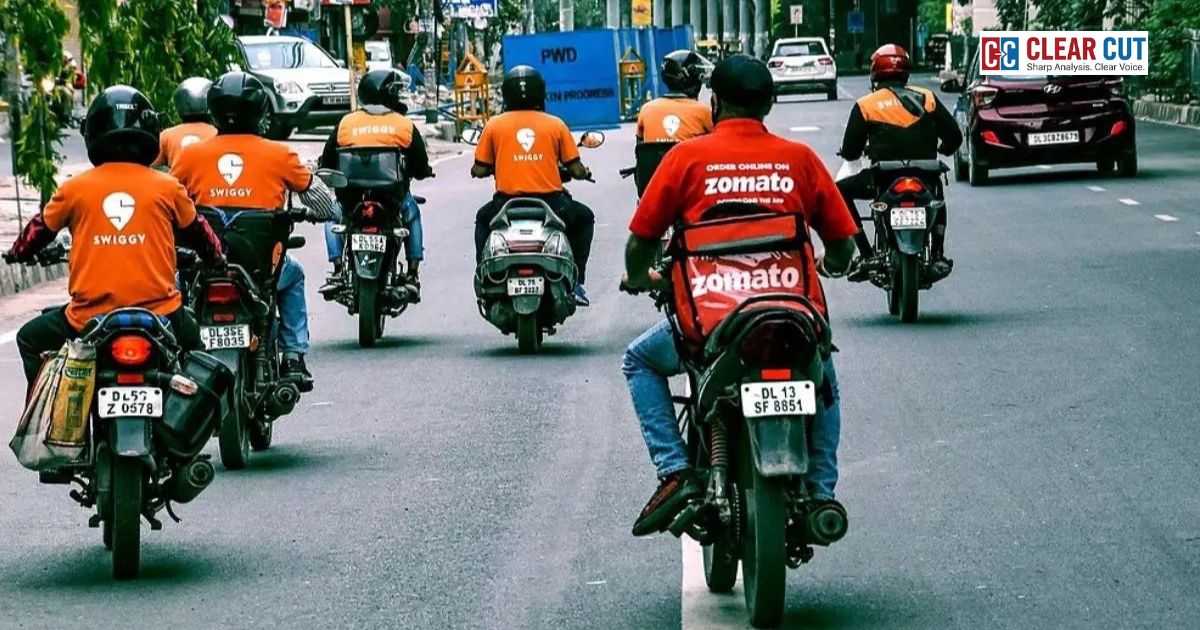
A backlash rippled through online circles after Deepinder Goyal spoke up for India’s gig setup. Work in fast delivery brings freedom, he claimed. Yet many saw his words as out of touch. A detailed breakdown of the issue peeled back the layers. Real struggles of workers rarely show up in boardroom logic. Flexibility sounds good until you live it hourly. Privilege shapes perspective more than data sometimes.
Back in January 2026, an independent media outlet dug into the numbers. Big order counts mean little when control leans one way. Workers carry the load, yet power stays with apps. What looks like free pick is really just tight corners. Survival gets called freedom too easily.
The Gig Economy on Trial
Fewer people struck than expected – delivery numbers stayed high, Goyal pointed out. According to online news portals, just because workers showed up does not mean they agreed. Opposing voices from worker collectives say presence isn’t approval.
What happens when drivers sign off too soon? LiveMint reports gig workers speaking up through the Telangana Gig and Platform Workers’ Union. Logging out at busy times might trigger silent pushback from software. Surge periods skipped today could lead to less work tomorrow – fewer trips offered, smaller pay bumps, even being moved down the list without warning. Systems seem to remember who stays online.
Fake choice hides behind screens. Real control comes coded inside.
Precarious Work, Hidden Costs
One of the most contested claims discussed was the portrayal of delivery work as “low-skill” with earnings averaging over ₹100 per hour. Critics argue these figures exclude fuel costs, vehicle maintenance, mobile data, insurance gaps, and unpaid waiting time.
Academic research on Indian gig platforms, including recent arXiv labour studies, supports this critique. These studies show that once hidden costs are included, net earnings fall sharply, especially outside high-density urban clusters.
Reports by The Indian Express have also noted that fast-delivery promises intensify road risks, with accident liability falling squarely on workers rather than platforms.
Policy Gaps and Legal Blind Spots
What looked like progress now feels distant. Backed by The Times of India’s coverage, promises around worker rights in India’s new code haven’t held up. Without real penalties, rules about pay stay ignored. Safety? Still an afterthought. Workers speak – no one answers. Broken systems rarely fix themselves.
According to The Hindu, many welfare boards meant for gig workers either get too little support or simply do not work at all. Platform contributions are unclear in how they operate, so safeguards rely more on goodwill than legal obligation.
With unclear rules, sites grow fast because blame spreads thin.
A Global Context, A Local Failure
Courts across the UK, notes BBC News alongside The Guardian, have decided platform-based workers should get safeguards similar to regular employees. Even though India hosts one of the biggest informal job markets globally, its approach keeps gig jobs outside standard worker rules.
The Road Ahead
It isn’t built to exploit people, that much is clear. Still, fairness can slip when rules aren’t locked in place. Reports from news outlets point to gaps – pay too low, no protections, systems running behind closed doors. Wage minimums matter. So do clearer processes. Safety matters just as much. Without them, imbalance grows quietly. Not loud. Just there.
Faster service keeps helping customers and big companies make gains. Workers take on more pressure until rules change. What happens next depends on who holds the weight.
Clear Cut Health Desk
New Delhi, UPDATED: Jan 05, 2026 05:29 IST
Written By: Ayushman Meena