- SumArth combines agriculture, menstrual hygiene, women’s livelihoods, and digital skills to support rural communities in Gaya, Bihar.
- Its integrated model promotes climate-resilient farming, post-harvest support, sanitary napkin production, and women-led enterprises.
Development organisations usually pick a lane: some do agriculture, others do women’s health, and the two rarely share a budget line. SumArth, a not-for-profit based in Gaya, Bihar, decided that separation didn’t make sense on the ground, where the same woman who needs a reliable harvest also needs a dignified way to manage her period without missing a day of work. Since 2015, the organisation has built its entire model around that overlap, treating agriculture and menstrual dignity as two parts of one development plan, not two separate causes competing for attention.
Making Farming a Respected Profession Again
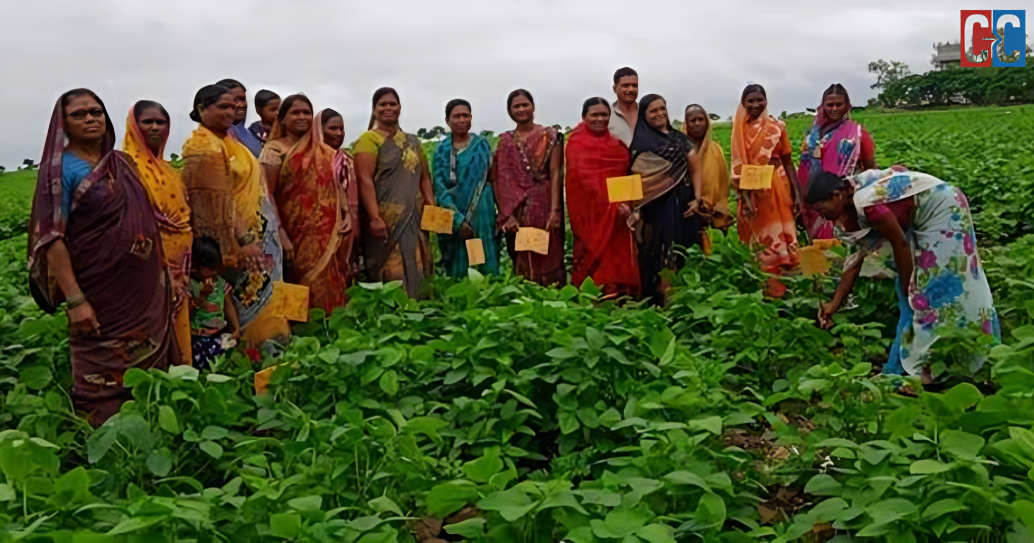
SumArth’s agriculture work centres on what it calls a 360-degree support model for small and marginal farmers: crop planning advice, input linkages, modern low-cost technology, and market access, all designed to reduce the risk that keeps farming families locked in poverty. The explicit goal, in the organisation’s own words, is to make agriculture ‘effortless, profitable and fancy’ again, a profession people choose rather than one they’re stuck in, rather than a fallback occupation young people leave the moment another option appears.
The SABLA programme’s approach to pads
Through its SABLA Sanitary Napkin Programme, SumArth trains rural women to manufacture and distribute menstrual products themselves, rather than simply handing out donated supplies from outside. This turns menstrual hygiene management into a livelihood opportunity as well as a health intervention: women earn an income producing pads their own communities need, while also running educational sessions on menstrual health that address the stigma still attached to the topic in rural Bihar.

Climate-resilient farming as the connective tissue
SumArth’s integrated farming models build in soil health work, water-efficient practices, and post-harvest support, grading, processing, packaging, and market linkage, so farmers capture more value and lose less to spoilage or middlemen. The organisation frames this explicitly as climate-smart agriculture, designed to hold up against the erratic rainfall and rising heat that increasingly threaten Bihar’s farming seasons.
Digital Skills as the Final Layer
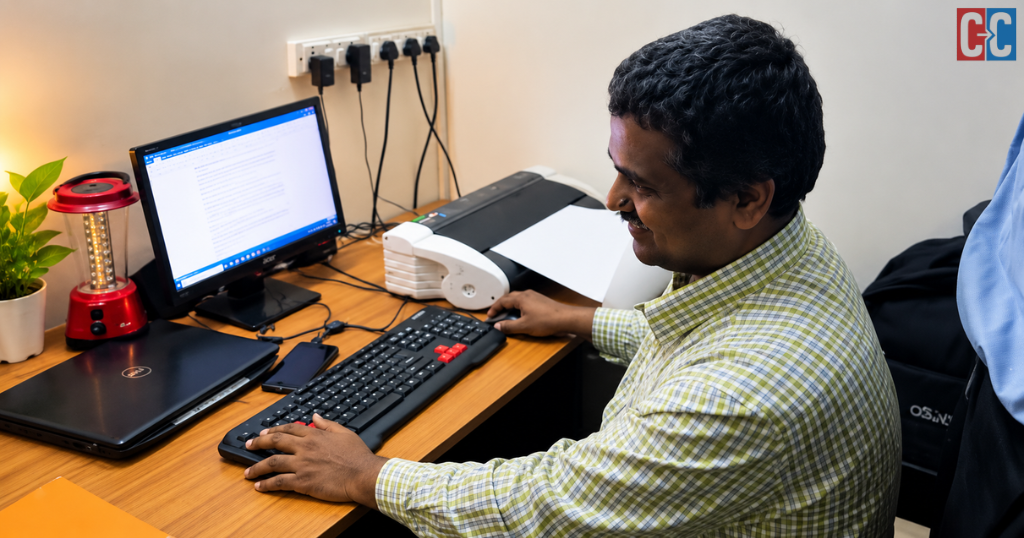
SumArth also runs digital, financial, and cyber literacy programmes alongside enterprise development support, aiming to turn rural ideas into market-ready businesses with proper mentoring. This is the piece that connects the other two: a woman trained in agri-entrepreneurship or pad manufacturing still needs basic digital and financial literacy to actually run a viable, bankable enterprise rather than a subsistence-level activity.
Post-Harvest Support as an Overlooked Lever
A significant share of a small farmer’s potential income in Bihar is lost not in the field but after harvest, through poor grading, inadequate processing, and weak market linkages that leave farmers accepting whatever price a middleman offers. SumArth’s post-harvest chain work, grading, processing, and packaging support, directly targets this loss point, on the reasoning that improving what happens to a crop after it leaves the ground can add as much value as improving how the crop was grown in the first place.
The Way Forward
SumArth’s model quietly challenges an assumption baked into a lot of Indian development funding: that health, livelihood, and dignity belong in separate silos with separate donors and separate metrics. In Gaya’s villages, a woman’s income from farming and her access to menstrual products are not unrelated line items, they are the same fight against the same poverty. Donors, CSR committees, and state rural development missions should take that lesson seriously and start funding integrated models like SumArth’s as a single unit of work, rather than splitting grants across separate health and livelihood departments that rarely talk to each other. Dignity should not have to compete with a harvest for budget space.
Clear Cut Livelihood Desk
New Delhi, UPDATED: August 30, 2026 06:30 IST
Written By: Tanmay J. Urs