
Makar Sankranti is one of India’s most significant harvest festivals, observed every year around January 14, marking a major seasonal and astronomical transition. Unlike most Hindu festivals that follow the lunar calendar and therefore shift dates annually, Makar Sankranti is based on the solar cycle, which is why it falls on almost the same date each year. In some regions, especially during leap years, celebrations may occur a day later.
Celebrated across the country under different names — Pongal, Lohri, Magh Bihu, Bhogali Bihu, Khichdi, and Poush Sankranti — the festival reflects India’s agrarian roots and showcases the country’s rich cultural diversity. Despite regional variations, the core theme remains the same: gratitude for the harvest, reverence for nature, and the celebration of renewed energy and prosperity.
Why is Makar Sankranti Celebrated in Mid-January?
Makar Sankranti marks the Sun’s transit into the Capricorn (Makara) zodiac sign, an event known as Makara Sankramana. This movement also signals the beginning of the Sun’s northward journey, called Uttarayan, which is considered highly auspicious in Indian tradition.
Astronomically, this transition signifies the end of winter and the gradual onset of longer days and warmer temperatures, paving the way for spring. Agriculturally, it aligns with the completion of the harvest of key crops such as rice, wheat, sugarcane, and pulses, making it a time of celebration for farming communities across India.
Cultural and Mythological Significance
For agrarian societies, Makar Sankranti is deeply intertwined with agricultural cycles. The festival reflects a strong bond between people and the land, with prayers offered to the Sun God (Surya) for sustaining life, ensuring good harvests, and bringing prosperity.
Ritual practices often include early morning prayers, holy river baths, and acts of charity, believed to bring spiritual merit, peace, and good fortune. Sacred rivers like the Ganga witness large gatherings, especially during events such as the Ganga Sagar Mela, which coincides with Makar Sankranti in West Bengal.
The festival also carries mythological importance. According to legend, Goddess Sankranti defeated the demon Sankarasur, symbolising the victory of good over evil. In the Mahabharata, Bhishma Pitamah is believed to have chosen to relinquish his mortal body during Uttarayan, a period said to grant liberation from the cycle of rebirth.
How Makar Sankranti is Celebrated Across India
Celebrations vary widely across regions, reflecting local traditions, climates, and agricultural practices:
- Maharashtra and Karnataka: People exchange til-gud (sesame and jaggery) sweets, accompanied by the message of speaking kindly and strengthening social bonds.
- Tamil Nadu: The four-day Pongal festival begins with Bhogi, followed by Thai Pongal, Mattu Pongal (honouring cattle), and Kaanum Pongal. Homes are decorated with colourful kolams, and special prayers are offered.
- Punjab and Northern India: Lohri is celebrated with bonfires, folk songs, dancing, and offerings of groundnuts, popcorn, and sweets, symbolising warmth and community bonding.
- Bihar: Known as Khichdi, the festival centres around the traditional rice and lentil dish that gives the celebration its name.
- Assam: Celebrated as Magh Bihu or Bhogali Bihu, the festival focuses on food and feasting. The night before, bamboo and hay structures called meji are built and lit as bonfires. Assamese delicacies like pitha, laru, jolpan, along with fish and meat, are integral to celebrations.
- West Bengal: Called Poush Sankranti, the day is marked by jaggery-based sweets and pitha. Many devotees take a holy dip during the Ganga Sagar pilgrimage.
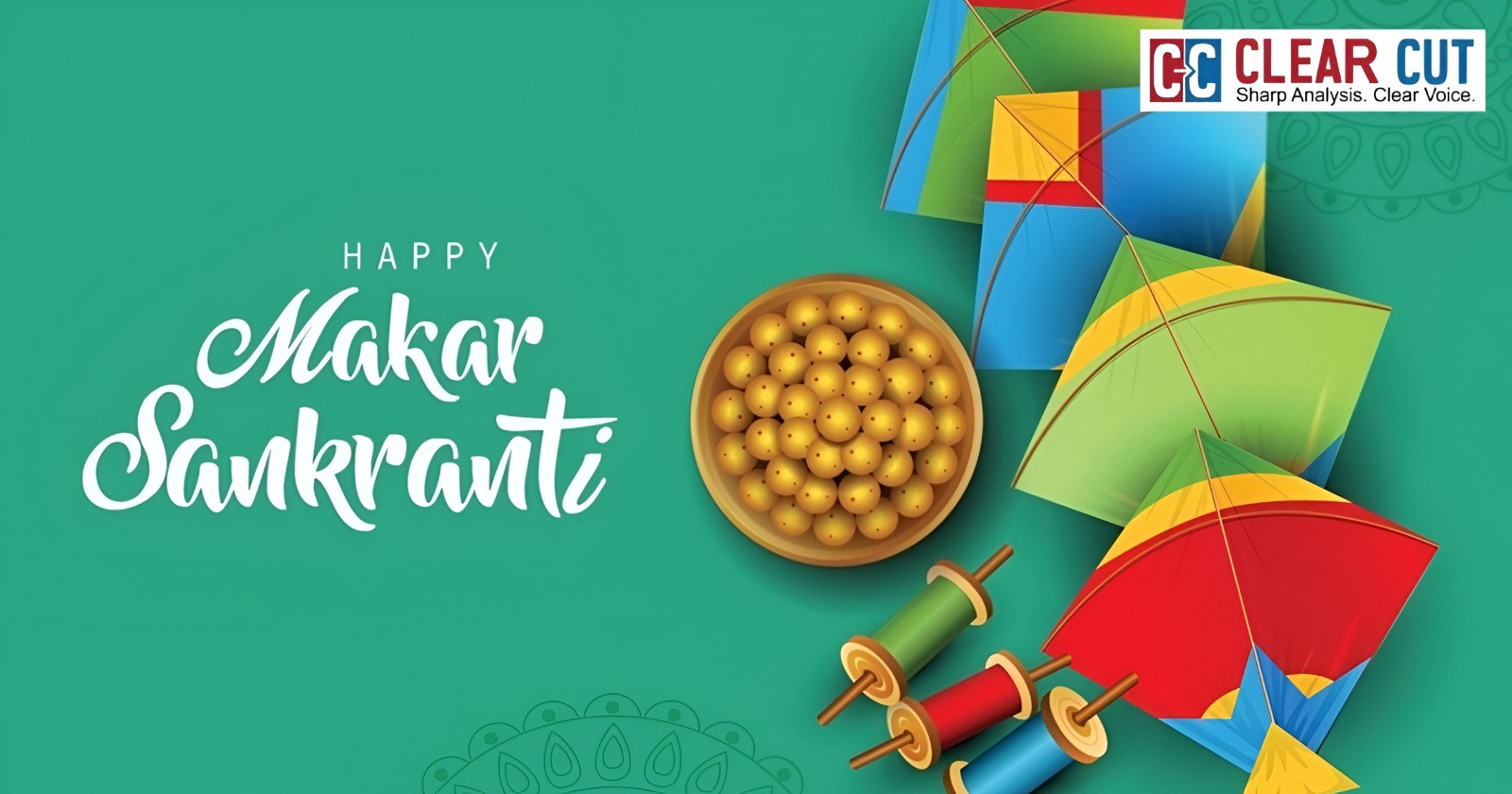
- Rajasthan and Gujarat: The skies come alive with kites, with Ahmedabad hosting an international kite festival that attracts participants from around the world.
Food, Community, and Social Values
Food plays a central role in Makar Sankranti celebrations across India. Dishes made from sesame seeds, jaggery, and rice — such as tilgul laddoos, chikkis, gul poli, pongal, payasam, and khichdi — are not only symbolic of sweetness and warmth in relationships but are also considered nourishing during winter.
The festival carries a strong social message of sharing and harmony. In many regions, women and children go door-to-door exchanging sweets, sugarcane, and sesame-jaggery mixtures, reinforcing community ties and goodwill.
A Festival Rooted in Nature and Unity
Beyond its religious and cultural significance, Makar Sankranti highlights humanity’s deep connection with nature, seasonal cycles, and sustainability. It serves as a reminder to express gratitude for the harvest, respect the environment, and uphold values of unity and compassion — making it one of India’s most enduring and meaningful festivals.
Happy Makar Sankranti!
Clear Cut Education Desk
New Delhi, UPDATED: Jan 15, 2026 01:00 IST
Written By: Nidhi Chandrikapure