A Sudden Wave of Account Alerts
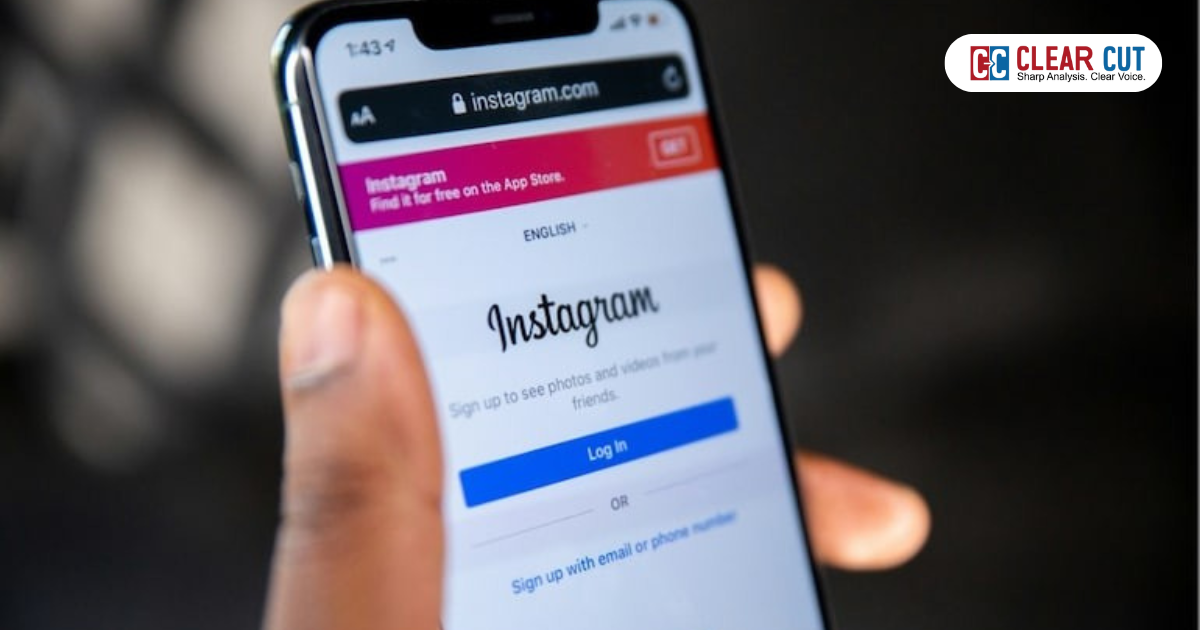
In January 2026, millions of Instagram users worldwide received password reset emails they had not requested. The sudden flood of alerts made people fear that hackers had broken into their accounts. At the same time, a cybersecurity firm reported that data linked to about 17.5 million Instagram users was being sold on dark web forums. The dataset was said to include usernames, email addresses, phone numbers, and even physical addresses.
These two events happening together created a storm of anxiety. Users believed their private data had been stolen. However, Instagram’s parent company, Meta, strongly denied that there was any breach of its systems. The company stated that the password reset emails were triggered by an outside party exploiting a technical vulnerability, not by hackers breaching Instagram’s servers.
The Chain of Events Behind the Alarm
The issue first came to light when many Instagram users noticed repeated password reset emails in their inboxes. These emails usually appear only when someone tries to log into an account or change a password. Since users had not made these requests, they assumed that someone else was trying to break into their profiles.
Soon after, a cybersecurity company said it had found a dataset on the dark web linked to 17.5 million Instagram accounts. According to the Meta the data included personal details that could be used by cybercriminals. This made the situation look more serious.
Meta also suggested that the data might be connected to an Instagram API exposure from 2024, meaning that some information may have been collected earlier and was now being sold again.
Meta’s Official Position
Meta responded quickly to the reports. The company admitted that there was a technical issue, but it denied that any data had been stolen.
According to Meta, an external party found a way to trigger password reset emails in large numbers. This allowed them to send reset links to many users without entering their accounts or accessing Instagram’s backend systems. Meta said it fixed this issue and assured users that their accounts remained safe.
The company told users to ignore the emails and said it was sorry for the confusion. Meta also said that there was no proof that Instagram’s servers had been breached.
The Meaning of the Dark Web Listings
Cybersecurity experts explained that the appearance of a dataset on the dark web does not always mean there has been a new hack. Large collections of user data often come from older scraping incidents, where public information is gathered over time.
When a major platform faces a technical issue, criminals sometimes try to resell old data and label it as a “new leak” to attract buyers. That seems to be a possible explanation here. Instagram said it is still investigating the origin of the dataset.
This means that even if data exists online, it may not have come from a fresh breach in 2026.
The Risk of Credential Stuffing
Even without a new breach, the situation highlights a serious online risk known as credential stuffing. This happens when hackers use stolen usernames and passwords from one platform to try logging into accounts on other platforms.
If someone reused the same password across different apps, criminals could gain access to multiple services using old data. That is why cybersecurity firms warned that the exposed information could still be dangerous, even if it came from past leaks.
This is also why Instagram urged users to use two-factor authentication and unique passwords.
Public Anxiety in a Hyper-Digital World
Social media is not just a place for photos anymore. For many people, Instagram holds private messages, business contacts, and even financial information through linked services.
When users suddenly received reset emails, it created a feeling that their digital lives were under attack. In a world where online identity connects to work, relationships, and income, even a small technical issue can cause huge emotional stress.
This episode showed how deeply people depend on digital platforms and how fragile that trust can be.
Wider Social Consequences
Data scares do not affect everyone equally. Influencers, small business owners, and freelancers use Instagram to earn a living. A locked or hacked account can mean lost income and broken connections.
Young users also rely on social media for friendships and self-expression. A threat to their account feels personal and frightening.
When platforms face security issues, even if no real breach occurs, it increases digital anxiety and weakens trust in technology.
Steps for Safer Accounts
Even though Instagram says accounts are safe, experts advise people to take basic security steps:
- Do not click links in unexpected emails
- Visit Instagram directly through the app or website
- Change passwords if unsure
- Use two-factor authentication
- Avoid reusing passwords on different platforms
These steps help reduce risk, even when data leaks come from older sources.
The Larger Digital Trust Issue
This incident shows how vulnerable modern life is to digital fear. A technical glitch combined with dark web rumours was enough to make millions worry about their privacy.
While Instagram says there was no breach, the situation highlights the need for stronger transparency, better communication, and improved cybersecurity practices.
In a world where our social, professional, and emotional lives live online, protecting data is not just a technical issue. It is a matter of trust, safety, and digital dignity.
Key Highlights
- Around 17.5 million Instagram accounts were reportedly linked to a dataset sold online
- Users received unexpected password reset emails
- Meta said there was no data breach
- A technical flaw allowed mass email triggering
- The data may come from older scraping incidents
- Experts warn about credential stuffing risks
As technology becomes more central to daily life, even small security scares remind us how important digital safety really is.
Clear Cut Health Desk
New Delhi, UPDATED: Jan 14, 2026 09:00 IST
Written By: Samiksha Shambharkar