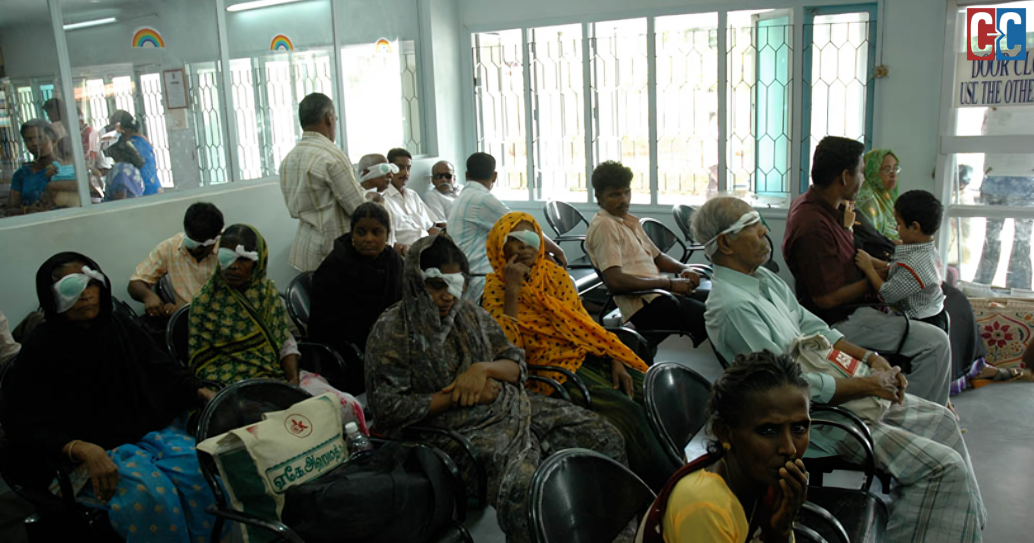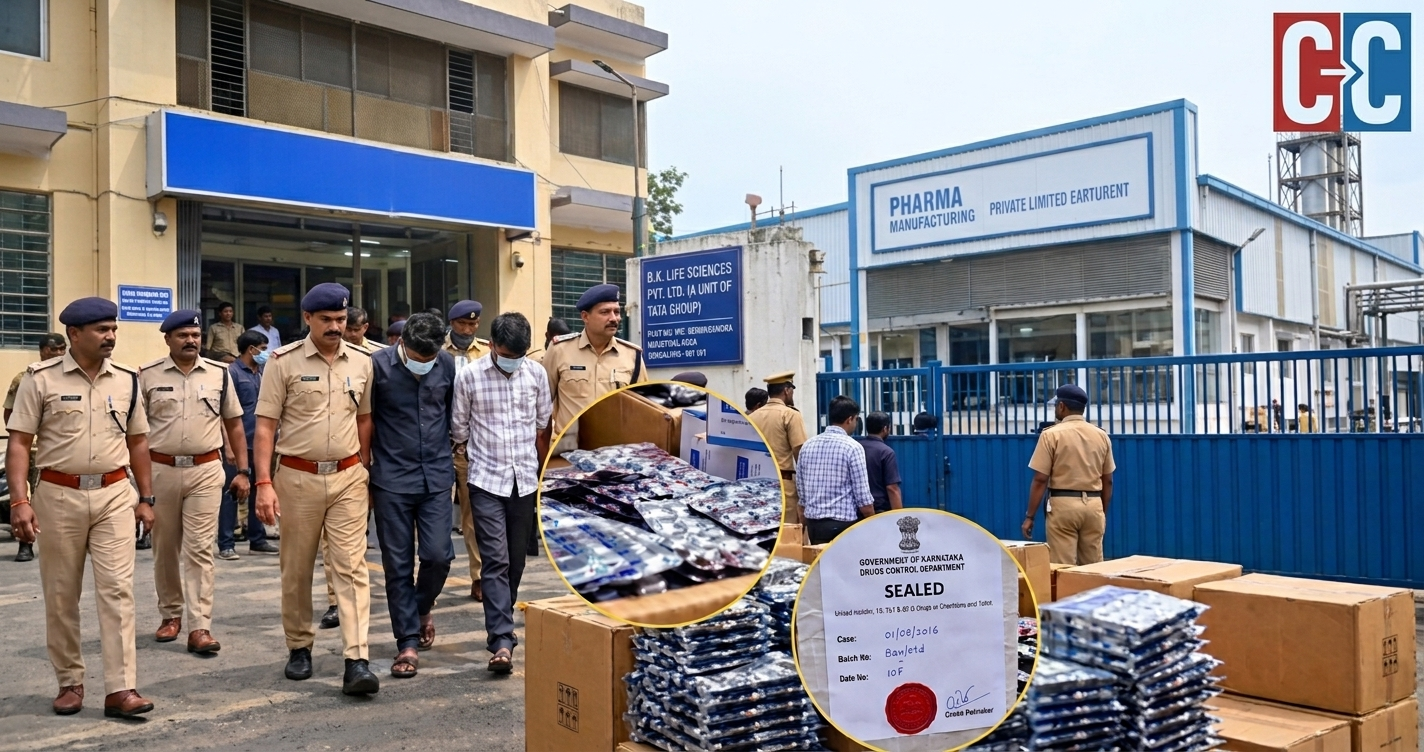

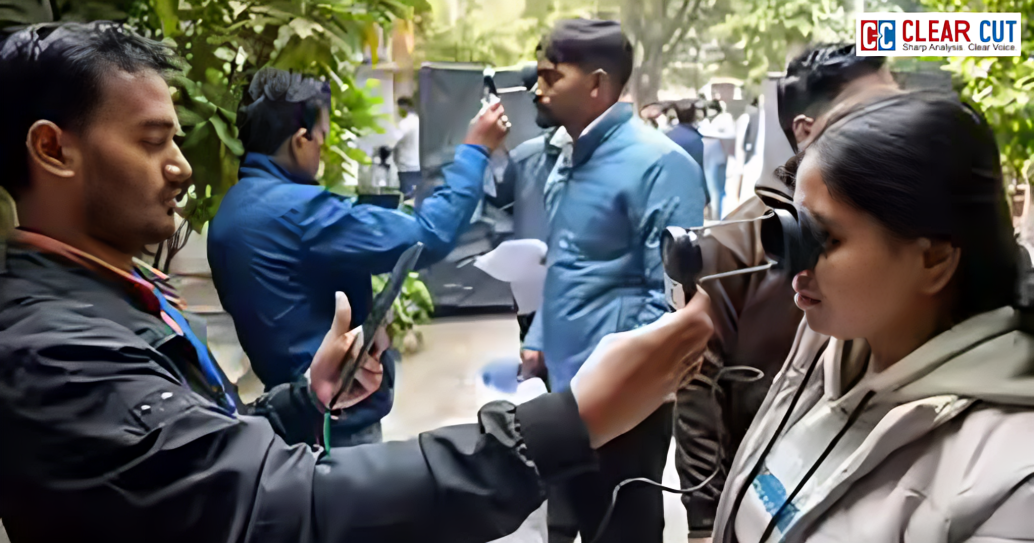
India has added facial recognition to the Poshan Tracker to ensure nutrition benefits reach the right people and reduce leakages. However, it raises concerns about privacy, consent, and the risk of excluding genuine beneficiaries.
The Problem it Hopes to Solve
Arguably, India has one of the world’s largest child nutrition programmes. Every day, nearly millions of children & pregnant women depend on Anganwadi centres & welfare hubs for food supplements, health check-ups, and basic care. The programme is enormous in scale. And for years, so has been its problem. The food that was meant for the most vulnerable was not always reaching them.
Rations went missing. Attendance was fudged. And at the end of the chain, a child who was supposed to receive a nutritious take-home ration sometimes did not. The government needed a way to verify delivery and not just on paper, but in practice.
What the New System Does
Entered the upgraded Poshan Tracker, by the Ministry of Women and Child Development’s flagship digital monitoring application. The latest update integrates a Facial Recognition System (FRS) directly into the app. The goal is straightforward. When a beneficiary collects their take-home ration at an Anganwadi centre, their face is scanned and recorded. The delivery is logged. The data flows upward in near real-time.
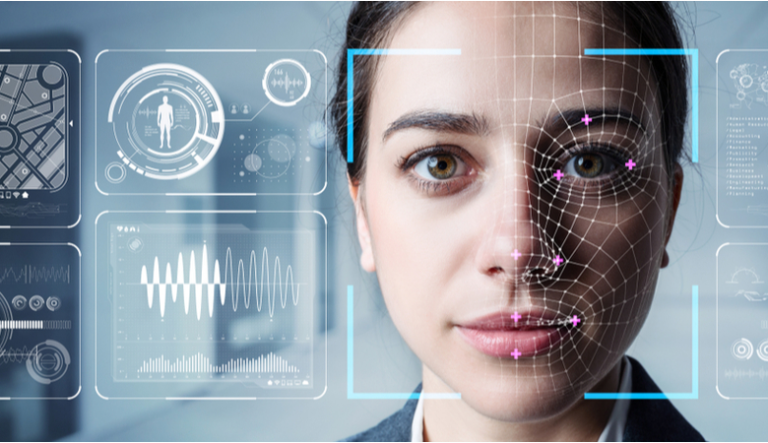
In theory, this closes the loophole. No face scan, no confirmed delivery. Every ration that reaches its intended recipient is now timestamped, geotagged, and linked to an identity. The government is calling this the “Digital Bridge” to health. A phrase that signals both ambition and a certain optimism about what technology can fix.
Why the Government Is Betting on This
India’s Poshan Abhiyaan, or National Nutrition Mission, has been running since 2018 with the goal of reducing stunting, wasting, and anaemia in children under five. Progress has been slow and uneven. The 2021 National Family Health Survey showed that a third of children under five were still stunted. That is a number that has barely budged despite years of policy effort.
The government’s frustration is visible in this update. Leakages in welfare delivery are not a minor administrative inconvenience. They are actual harm to real children. If biometric tracking can ensure that the food lands on the right table, the case for it is not hard to make.
The Poshan Tracker already holds data on over 100 million beneficiaries. Adding facial recognition to that infrastructure is, from an administrative standpoint, a logical next step. The system promises to give policymakers a live dashboard of nutrition delivery, which centres are functioning, which are not, and where intervention is needed.
The Questions That Come with It
But this kind of solution does not arrive without complexity. Biometric data, especially facial images are among the most sensitive personal data there is. Unlike a password, you cannot change your face. Once that data is compromised, the damage is permanent.
Civil society groups have long raised concerns about India’s expanding biometric infrastructure. The question of consent is real: do women in rural Anganwadi centres fully understand what they are agreeing to when their face is scanned? Are there alternative options for those who opt out? Is their data stored securely, and for how long?

There is also the question of technical reliability. Facial recognition systems can struggle with varied lighting, older hardware, and demographic bias. They tend to perform worse on darker skin tones, a well-documented problem in the technology. Misidentification at scale, in a nutrition delivery system, could mean a genuine beneficiary being wrongly denied their ration.
Surveillance or Service?
The tension at the heart of this update is not new. Technology applied to welfare delivery often sits in an uncomfortable space between efficiency and surveillance. The same system that tracks whether a ration has been delivered can, with a policy change, track something else entirely.
India does not yet have a fully operational, comprehensive data protection law in force. Though the Digital Personal Data Protection Act was passed in 2023, its implementation rules are still being fleshed out. That legal gap matters when deploying facial recognition at this scale.
Supporters of the upgrade argue that the alternative, continuing to allow widespread leakage in a programme meant to fight child malnutrition is itself a form of harm. They are not wrong. The children who go without food because of a broken delivery system are also victims of a failure.
What Comes Next
The success of this system will depend on more than technology. It will depend on the quality of implementation, the robustness of data protection, and whether the most vulnerable beneficiaries feel safe and included, not surveilled and excluded.
India’s nutrition crisis is real. So is the need for accountability in how resources reach the last mile. A facial recognition system can, in the right conditions, help deliver both. But those conditions must be built deliberately, with transparency, legal safeguards, and a clear answer to the question every welfare technology must answer: who is this system ultimately for?
If the answer is truly the child waiting at the Anganwadi gate, then the work of getting this right has only just begun.
References
https://internetfreedom.in/face-recognition-in-poshan-tracker-what-the-government-told-us-and-what-it-didnt/
https://www.pib.gov.in/PressReleasePage.aspx?PRID=2245025
https://www.medianama.com/2025/06/223-privacy-facial-recognition-ration-distribution-anganwadis/
https://www.boomlive.in/decode/ai-facial-recognition-is-denying-food-to-pregnant-women-across-india-30878
Clear Cut Health Desk
New Delhi, UPDATED: April 01, 2026 03:00 IST
Written By: Tanmay J Urs