
India’s 2026 monsoon is expected to be below normal at 94%, raising concerns about uneven rainfall and stress on rainfed agriculture. With El Niño and rising farmer debt, a weak monsoon could deepen India’s agrarian crisis if early support isn’t mobilized.
Skymet Weather, a leading private meteorological agency in India, expects the 2026 Southwest Monsoon to hit just 94 percent of the Long Period Average. That number stands out, according to the Karmactive heatwave analysis from April 28, anything lower than 96 percent falls below what meteorologists consider a “normal” monsoon. And yet, this isn’t a drought prediction. It’s a warning that rainfall will be less than usual, and distribution will be patchy. Regions most likely to see deficits central India, the peninsula, and parts of the northwest are exactly where rainfed agriculture dominates. If you’re a farmer there, you feel the pinch more than anyone. The IMD’s own extended range forecast, published April 30, has everyone watching closely, especially across agricultural states.

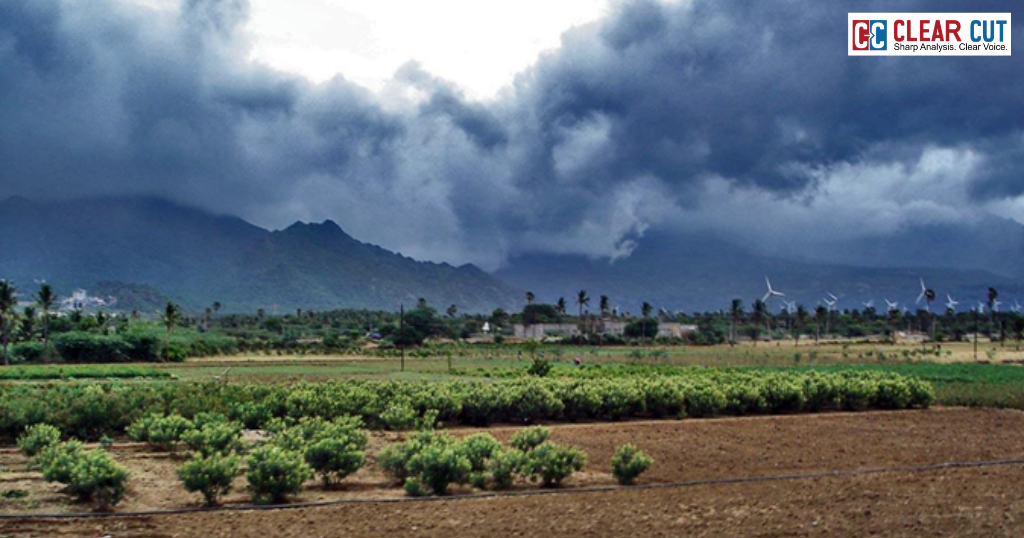
What’s behind all this? El Niño is the culprit. When the Pacific returns to an El Niño pattern, South Asia’s monsoon rains tend to falter, clouds thin out, and temperatures climb, sometimes lingering well after the monsoon ends. The Karmactive report highlights some climate scientists speculating about a possible “super El Niño,” which would crank up these effects even more. Karnataka’s Chief Minister isn’t waiting for confirmation, he’s already warned his officials to brace for a weak monsoon, prioritizing drinking water over irrigation. Right now, 598 gram panchayats across 114 taluks are in shortage; tankers serve 137 villages. That’s before the monsoon even starts. The real question isn’t just if rain arrives late or falls short. It’s what happens after, for farmers whose kharif crop depends on timely, reliable rain, a crop that might now face a season marked by delay, scarcity, and uneven distribution.
Let’s talk about the farmer who can’t afford another rough year. Agricultural distress in India is deep and layered. You rarely see its true scale reflected in forecasts. The National Bank for Agriculture & Rural Development’s 2022 and NSO 2019 survey found over half (50.2 percent) of agricultural households in debt, each owing on average Rs 74,121. Those numbers are old—before the 2023 monsoon failed, before the erratic patterns of 2024, and now as 2025 and 2026 bring heatwaves. Most farmers step into the 2026 kharif season carrying the burden from years of climate stress. Input costs such as fertilizer, diesel, seeds keep rising faster than minimum support prices. Formal credit remains out of reach for most small and marginal farmers, the backbone of Indian agriculture, who represent about 86 percent of all farm holdings.
A below-normal monsoon won’t hit all farmers equally. If you have access to irrigation, pump, and a bore well, you can manage. But the rainfed farmer, working two acres in Vidarbha, Bundelkhand, or Odisha’s KBK districts, suffers most. That’s where risk piles up, where the buffer disappears. The National Crime Records Bureau has tracked farmer suicides in these areas for years they spike in times of distress. A forecast of 94 percent LPA during an El Niño year won’t cause widespread panic, but it should trigger action: preparing in advance, getting seeds distributed, easing credit access, and expanding crop insurance. Trouble is, these efforts usually start only once the rains are already late.
Corporate agriculture and CSR programs are intertwined here. Agribusiness seed companies, fertiliser makers, processors depend on the monsoon’s performance. Many run CSR programs aimed at farmer welfare, sustainable practices, and rural livelihoods. Those programs matter most when the monsoon is weak, because market incentives rarely reach struggling rainfed farmers. Crop insurance, under the Pradhan Mantri Fasal Bima Yojana, hasn’t spread far enough; awareness is low, and claims are tough to settle, as NABARD’s own assessments show. Corporate investment in insurance literacy, helping settle claims, and spreading early warnings especially by working with self-help groups and farmer producer organizations could make a bigger impact in a deficit year than another tree-planting drive. Yet, whether companies step up depends on how they prioritize agricultural CSR, and India’s reporting system doesn’t require them to disclose if they’re even tailoring these programs to climate risk.
The weight of Skymet’s forecast depends on where you stand. For a city dweller, it’s just about water supply and heat. For a rainfed farmer in Vidarbha, planting with last year’s debt still unpaid as this year’s input costs are already sunk, the number could decide their fate. Institutions need to respond quickly, distribute seeds, mobilize credit, enroll farmers for insurance, and prepare for drought. Start now, in May not in August, when it’s too late. Whether support systems, state governments, CSR programs, or financial institutions begin preparations this week, instead of waiting for monsoon failure, will decide whether those 40 percent of indebted farm households manage to survive this season, or break under the strain.
Clear Cut Climate, Livelihood Desk
New Delhi, UPDATED: May 06, 2026 04:00 IST
Written By: Jay