
Clear Cut Magazine

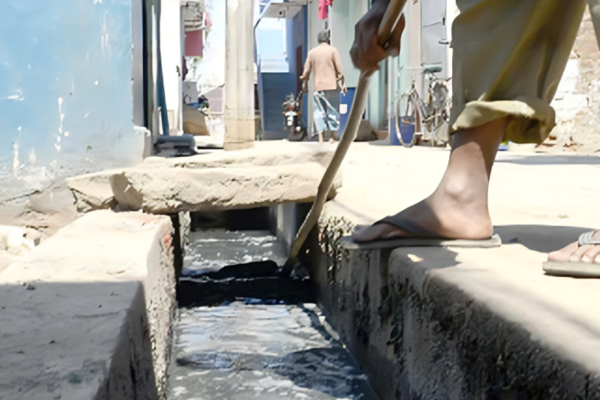
From Manual Scavenging to Business Owner: One Worker’s Escape Reveals India’s Unfinished Battle

More than 89,000 sewer and septic tank workers have been formally validated under India’s principal sanitation-worker welfare scheme since 2023, and official profiling data indicate that over 90 per cent of those identified belong to Scheduled Caste, Scheduled Tribe, or Other Backwards Class communities — underscoring sanitation work’s long-documented association with caste in India. Against…

Read More

India’s ₹11,639-Crore Border Gamble: Can Empty Villages Be Brought Back to Life?

The Union government now has a combined outlay of Rs 11,639 crore committed to the Vibrant Villages Programme (VVP), its flagship scheme for developing villages along India’s international land border, according to a Press Information Bureau feature released this month. The Ministry of Home Affairs, which frames border residents as the eyes and ears of…

Read More

Thirty-Three Years, Eighteen Districts: What ‘Reaching the Unreached’ Actually Looks Like in Odisha

Development work in India often moves in cycles of enthusiasm: a project launches with fanfare, runs for three to five years, and quietly winds down when the grant ends. Sambandh, a non-profit based in Bhubaneswar, has taken the opposite approach since it began in 1992, treating community development in Odisha as a multi-decade commitment rather…

Read More

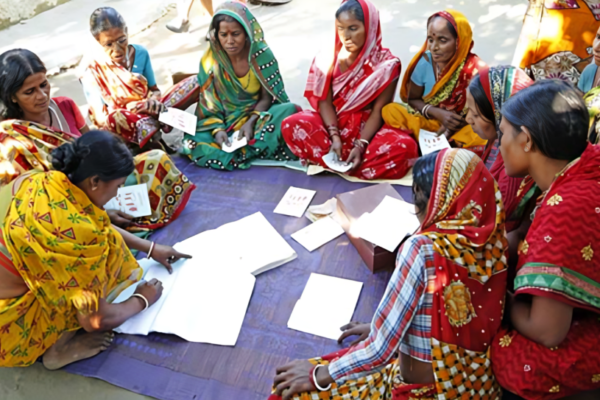
The Village That Wouldn’t Give Up: How PRADAN Turned Self-Help Groups Into a National Model

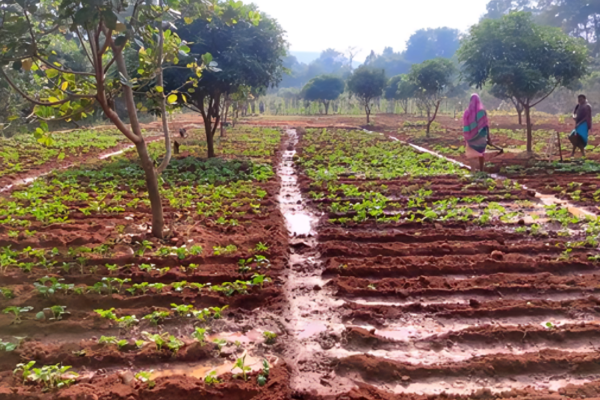
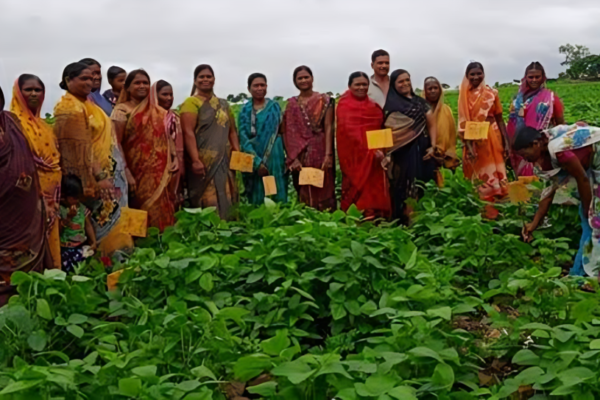
In 1998, Teliya, a remote village in Jharkhand’s Gumla district, had almost nothing going for it: severe food insecurity, high rates of malnutrition, and barely any cash circulating in the local economy. Twenty-five years later, the same village has year-round crop planning, renovated roads, working irrigation, and a sanitation system with toilets for its 77…

Read More

160,000 Families, One Region Everyone Else Forgets: Inside SeSTA’s Northeast Model

India’s Northeast rarely features in national development conversations the way the Hindi heartland does. Seven Sisters Development Assistance, known as SeSTA, was built specifically to close that gap. Since 2011, the organisation has grown from a single-district pilot in Assam into a network working with 160,000 families across 2,540 villages in 24 districts spanning Assam,…

Read More