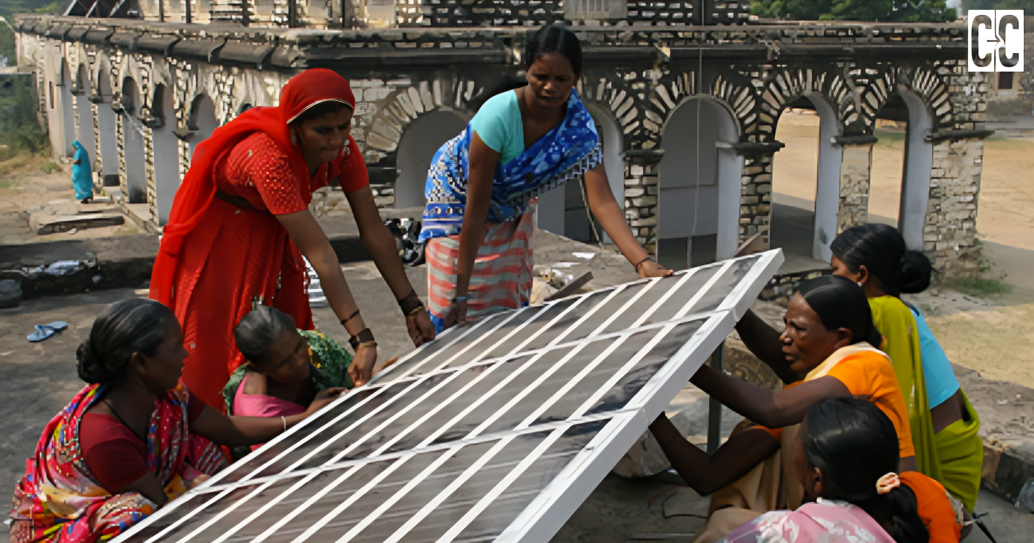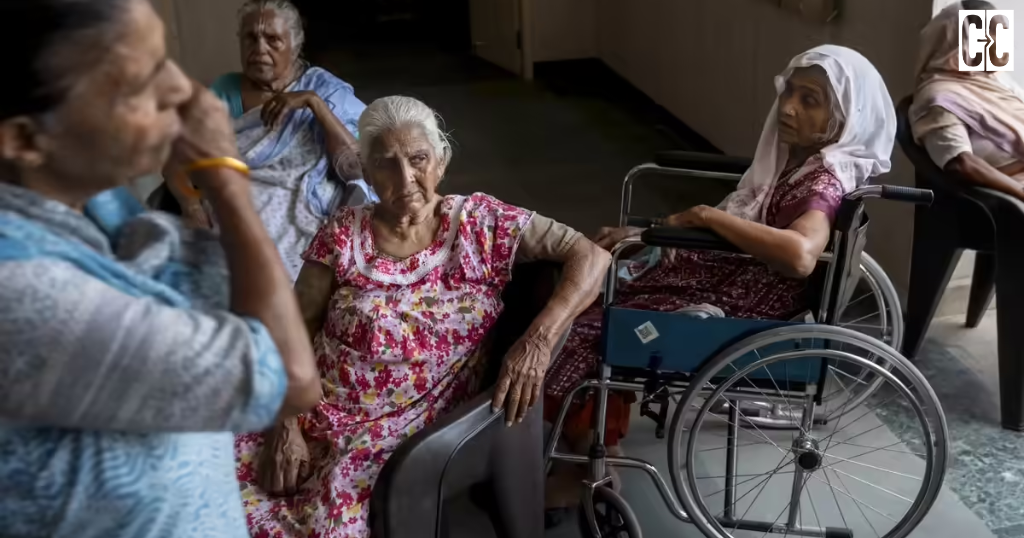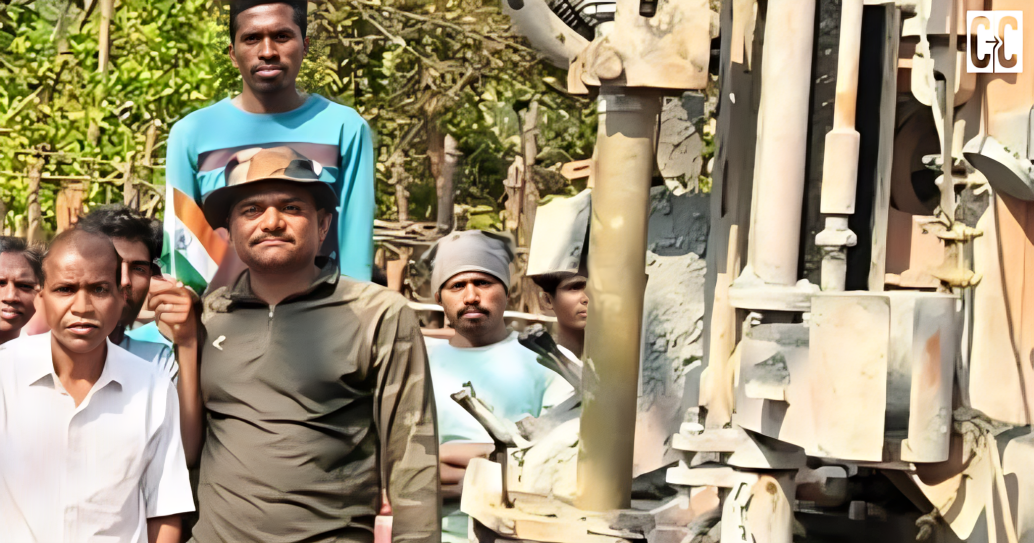
- PM JANMAN and PM-JUGA aim to improve housing, healthcare, education, infrastructure and livelihood opportunities for tribal communities, especially PVTGs.
- A household-level survey in West Bengal seeks to accurately identify PVTG families so welfare benefits reach eligible households effectively.
- Strong beneficiary databases, monitoring and community participation are essential for successful last-mile tribal development.
On May 27, 2026, the Ministry of Tribal Affairs, in collaboration with the Government of West Bengal, initiated a household-level survey to identify and document families belonging to Particularly Vulnerable Tribal Groups (PVTGs). The objective of the survey is to create an accurate and comprehensive beneficiary database to ensure that government welfare schemes effectively reach some of India’s most marginalized tribal communities. The initiative recognizes that effective implementation of targeted welfare programmes depends on accurate identification of eligible households.
Tribal development
The Pradhan Mantri Janjati Adivasi Nyaya Maha Abhiyan (PM JANMAN) was launched in November 2023 at Khunti, Jharkhand, on the birth anniversary of Birsa Munda. The programme specifically targets 75 Particularly Vulnerable Tribal Groups spread across 18 States and one Union Territory, many of whom continue to face limited access to housing, drinking water, electricity, healthcare, education, road connectivity, and other essential public services. The mission is supported by a financial outlay of approximately ₹24,104 crore and brings together 11 major interventions implemented through nine Central ministries, reflecting a coordinated effort to address longstanding developmental gaps among PVTG communities.
Building upon this initiative, the Government launched the Dharti Aaba Janjatiya Gram Utkarsh Abhiyan (PM-JUGA) in October 2024. With an allocation of approximately ₹79,156 crore, the programme covers 17 ministries and 25 interventions, extending developmental support beyond PVTGs to Scheduled Tribe-majority villages and tribal-dominated aspirational districts across the country.
Progress in education and livelihood development
Significant progress has been made in expanding educational and livelihood opportunities for tribal communities. Under the Eklavya Model Residential School (EMRS) programme, more than 1.56 lakh students are enrolled across 499 operational schools, while an additional 323 schools are under various stages of construction, moving toward the national target of 728 EMRS institutions. In West Bengal, a recent Memorandum of Understanding (MoU) between the National Education Society for Tribal Students (NESTS) and the State Government aims to strengthen school infrastructure and align academic standards with CBSE and NCERT guidelines.
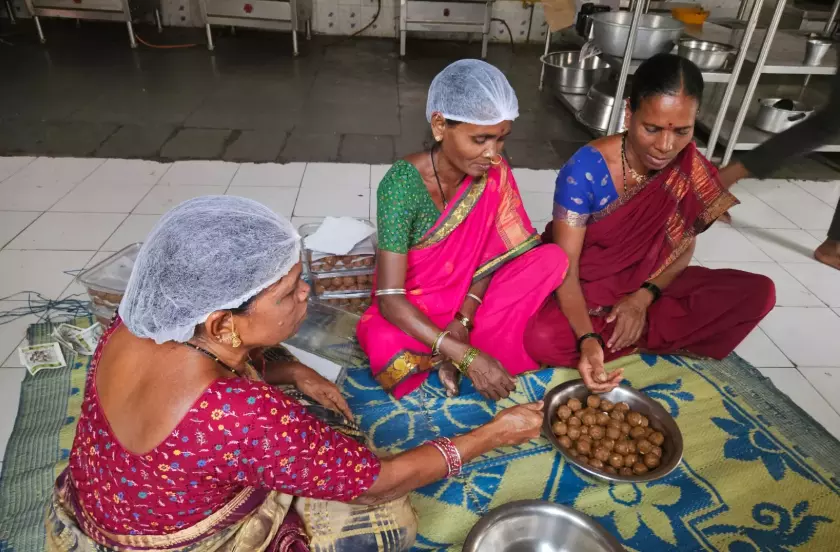
Livelihood generation has also received considerable attention through the establishment of Van Dhan Vikas Kendras (VDVKs), which promote the value addition and marketing of minor forest produce. As of April 2026, 491 of the targeted 500 centres had become operational, and more than 38,391 PVTG beneficiaries had received entrepreneurship and skill development training. In addition, funding under the Development Action Plan for Scheduled Tribes (DAPST) has increased substantially, rising from approximately ₹24,598 crore in 2013–14 to ₹1.23 lakh crore in 2024–25, with contributions from 42 Central ministries.
Importance of household identification
The household survey initiated in West Bengal highlights the continuing importance of accurate beneficiary identification in targeted welfare programmes. Despite the implementation of PM JANMAN, the need for updated household-level data demonstrates that identifying eligible beneficiaries remains a challenge in several regions. Accurate and regularly updated databases are essential for ensuring that eligible families receive benefits such as housing, drinking water, healthcare, education, nutrition services, and livelihood support. To strengthen last-mile service delivery, initiatives such as Adi Sewa Kendras and the Adi Karmayogi Abhiyan have been introduced to improve outreach, coordination, and community-level implementation.
Programme Implementation
The effectiveness of PM JANMAN and PM-JUGA depends on robust monitoring, transparency, and inter-ministerial coordination. Publishing state-wise progress on household surveys and beneficiary identification can improve accountability while reducing exclusion errors. Regular audits of fund utilization across participating ministries can strengthen programme convergence and ensure efficient implementation. Furthermore, alongside expanding infrastructure, greater emphasis should be placed on evaluating educational outcomes, livelihood improvements, healthcare access, and overall socio-economic development to assess the long-term impact of these initiatives on tribal communities.
Conclusion
PM JANMAN is a shift toward targeted and inclusive tribal development by focusing specifically on India’s Particularly Vulnerable Tribal Groups, who have historically remained among the most underserved populations. Combined with the broader objectives of PM-JUGA, these initiatives have the potential to improve access to education, healthcare, housing, livelihoods, and essential public services for tribal communities across the country. However, the long-term success of these programmes will depend on accurate beneficiary identification, effective implementation, continuous monitoring, and sustained community engagement to ensure that development reaches every eligible tribal household.
Clear Cut Livelihood Desk
New Delhi, UPDATED: August 10, 2026 10:00 IST
Written By: Tanmay Urs