
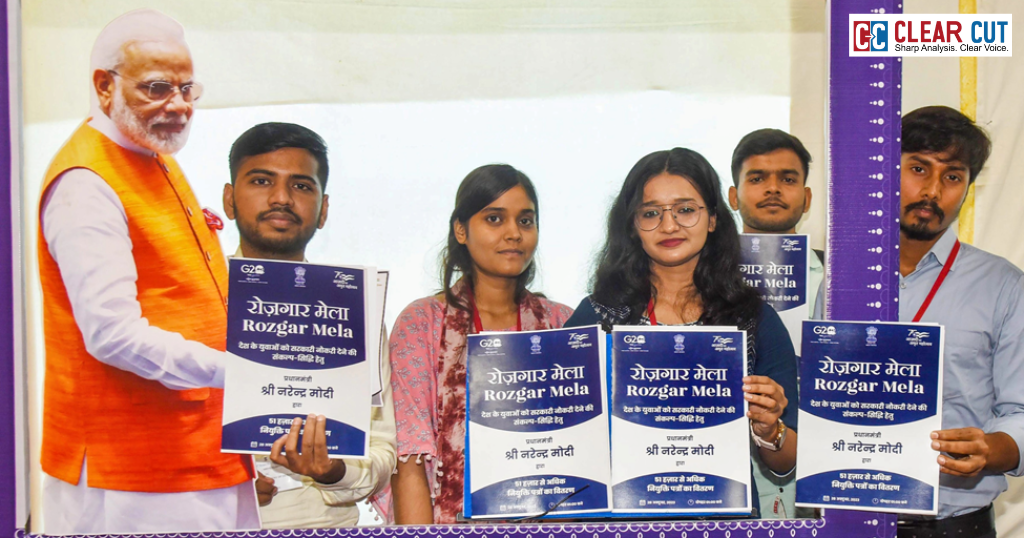
- The 19th Rozgar Mela distributed over 51,000 appointment letters across 47 locations, providing government job opportunities in sectors such as railways, health, education, and financial services.
- Through the story of Ananya Singh, the article highlights the life-changing impact of government employment while noting that India’s larger challenge remains creating quality jobs at scale.
- The piece argues that appointment letters are only the beginning, emphasizing the need for effective training, career progression, and long-term support to build a capable public workforce.
The Letter She Read Three Times
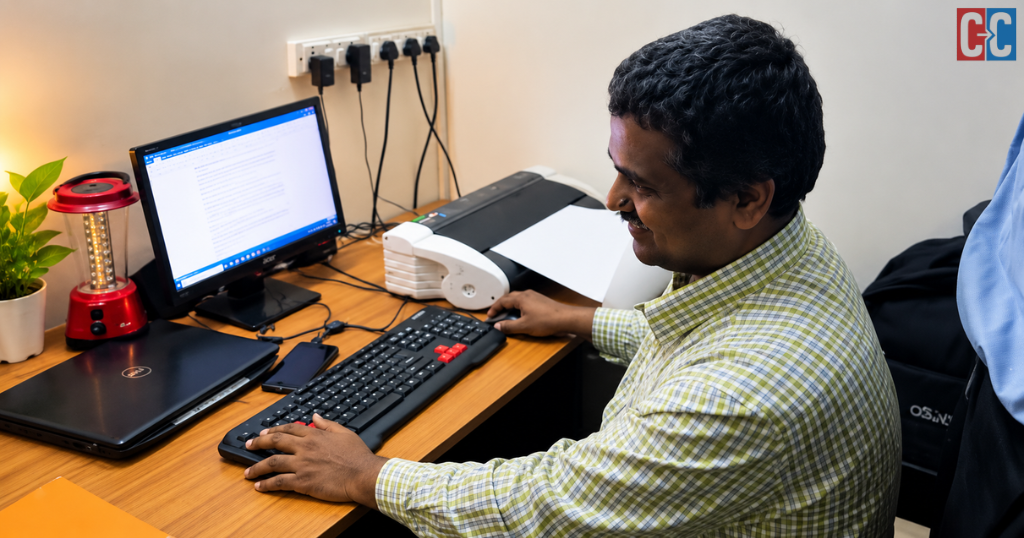
Ananya Singh from Gorakhpur, Uttar Pradesh, sat the Staff Selection Commission exam twice before clearing it. She spent 14 months after clearing the exam waiting for a posting. When she finally received her appointment letter at the 19th Rozgar Mela on May 23, 2026, she read it three times before she believed it. She is joining the Ministry of Health and Family Welfare as a data entry officer. She is 24. Her family borrowed money to fund her exam preparation. That loan will now be repaid.
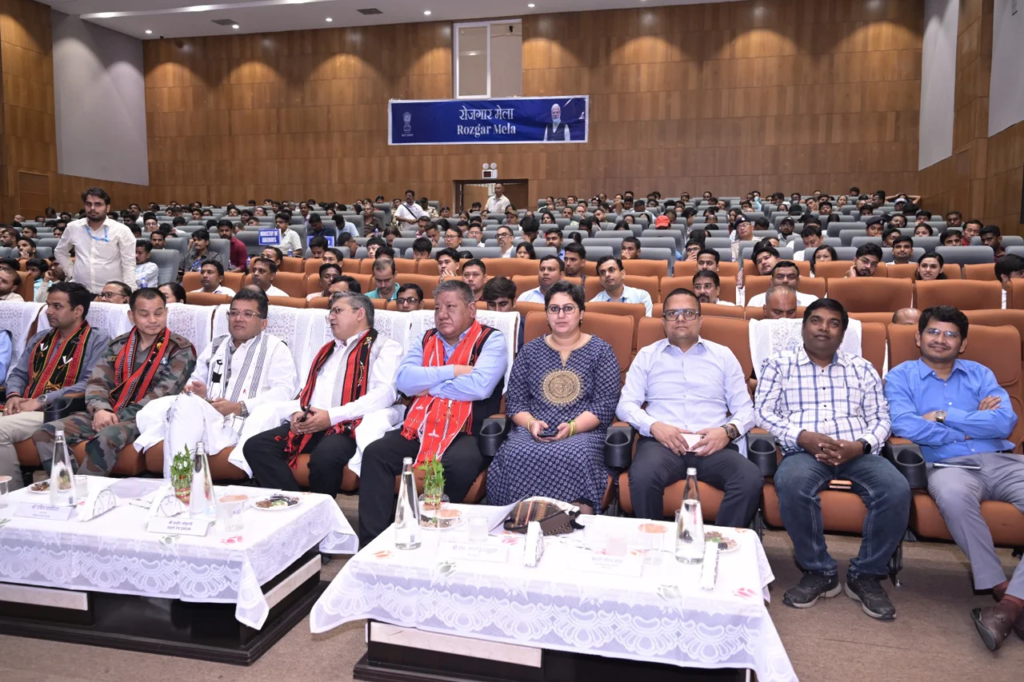
Ananya’s story is one of 51,000 told simultaneously on May 23, 2026, when Prime Minister Narendra Modi distributed appointment letters to newly recruited youth in various government departments and organisations at the 19th Rozgar Mela, held simultaneously at 47 locations across the country. Since the Rozgar Mela initiative began, approximately 12 lakh recruitment letters have been issued through the first 18 Rozgar Melas, with the 19th adding over 51,000 more (PMO India, May 23, 2026). The 19th edition placed particular emphasis on railways, with over 50% of appointments going to India’s expanding rail sector.
The Sectors That Were Hiring
19th Rozgar Mela, May 23, 2026: 51,000+ appointment letters. 47 simultaneous venues. Ministries covered: Railways, ISRO, Home Affairs, Health, Financial Services, Higher Education. Cumulative Rozgar Mela appointments: ~12 lakh across 19 events.
[PIB / PMO, May 23, 2026]
The 19th Rozgar Mela’s recruitment profile reveals where the government is building institutional capacity. Railways dominated, absorbing more than 50% of appointments, consistent with India’s Rs. 2.65 lakh crore railway capital expenditure in FY 2025-26 (Union Budget 2025-26, PIB and the push to expand freight and passenger infrastructure. ISRO’s inclusion in the Rozgar Mela is symbolic as well as substantive: it signals that India’s space programme, which has grown significantly in public prestige following Chandrayaan-3 and Aditya-L1, is also expanding its human capital base.
Appointments to the Ministry of Home Affairs, Health, Financial Services, and Higher Education reflect the government’s broad capacity-building agenda. These are not sectors associated with headline growth stories, but they are the institutional backbone of everything else. A healthcare system that cannot hire and post frontline workers fast enough cannot deliver the health outcomes that are India’s most urgent development priority. A financial services ministry with inadequate staff cannot implement the PMJDY, ULI, and BRSR frameworks at the pace the economy requires.
The Context: What the Numbers Do and Do Not Show
The Rozgar Mela is a genuine and meaningful initiative. It is also a narrow window into India’s employment challenge. India’s labour force adds approximately one crore young people every year. Twelve lakh appointments across 19 Rozgar Melas, delivered over roughly two years, represents a significant institutional effort. It does not, in isolation, represent a solution to youth unemployment at the scale the economy demands.
India’s challenge is not primarily in formal government employment, where the pipeline, however slow, does exist. It is in the quality of private sector employment: whether the 40 million formal private sector jobs being created annually are providing wages above subsistence, social security coverage, career advancement pathways, and the conditions that enable a family to repay an exam preparation loan without financial stress.
The Accountability Demand: Beyond the Letter
The government must publish post-appointment data: how many Rozgar Mela appointees have been confirmed in their posts at 12 months, 24 months, and 36 months? Appointment letters are a beginning. Effective onboarding, training through Karmayogi Prarambh, mentoring, and performance management are what figure out whether the appointment creates a productive civil servant. The iGOT Karmayogi platform’s 680 e-learning courses must be tracked for completion rates, not merely made available.
The Letter Is the First Step
Ananya Singh’s loan will be repaid. Her family’s fourteen months of anxiety has ended. The Rs. 35,000 they borrowed for coaching materials and travel costs will be returned. This is what a government appointment means in a family that has never had one. Multiply that by 51,000 on a single day, by 12 lakhs over two years, and the human significance of the Rozgar Mela is not in doubt.
What must now be built alongside the mela is the infrastructure of quality employment: faster posting timelines after selection, clear career progression frameworks, and a commitment that the young people hired through these events are given the development, the dignity, and the institutional support to become the excellent civil servants India needs them to be. The letter is the first step. The career is the point.
Clear Cut Livelihood Desk
New Delhi, UPDATED: June 01, 2026 09:00 IST
Written By: Tanmay J Urs